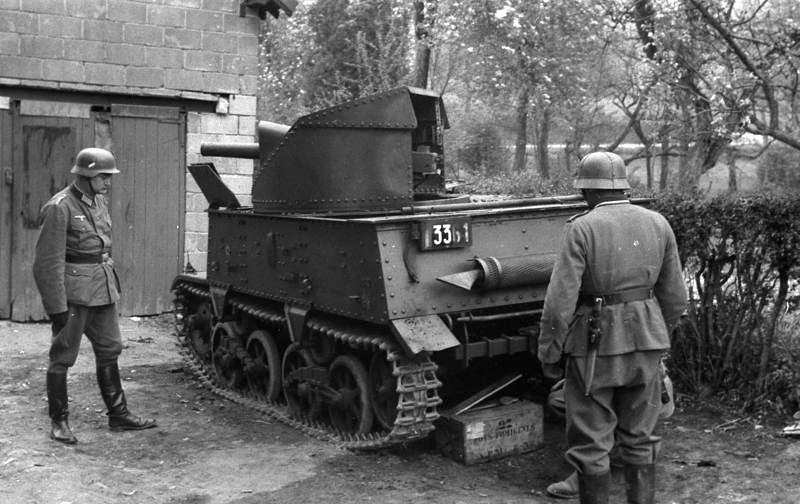
Belgium / Interwar
Tank Destroyer / Assault Gun / Direct-Fire · Tank destroyer / self-propelled antitank gun
Belgium’s T-13 combined a tracked chassis with a 47 mm antitank gun to create a mobile defensive weapon. It belongs in a comprehensive armored-vehicle reference, but its role and construction differ from those of a conventional turreted battle tank.
Read the profile →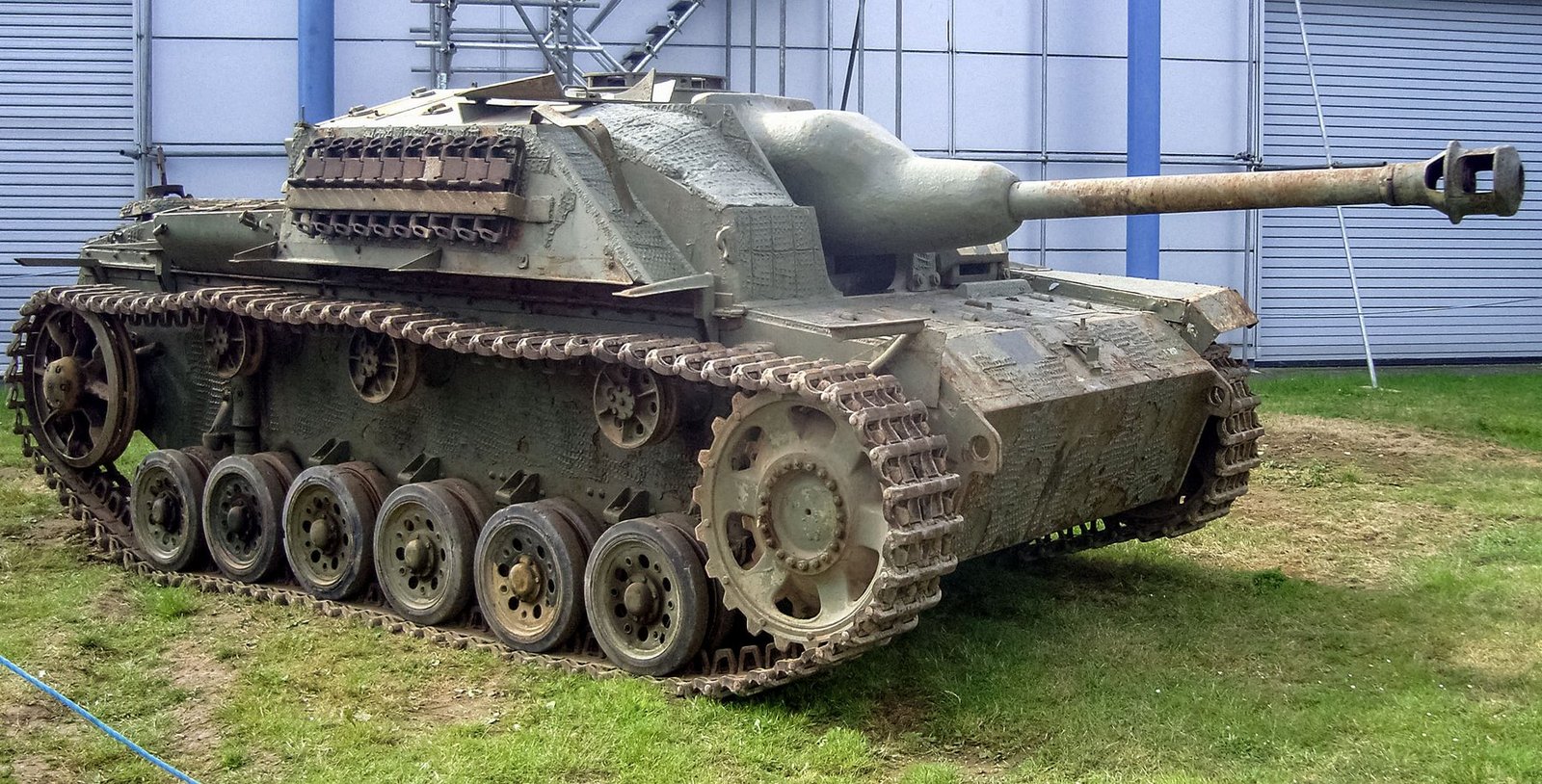
Germany / World War II
Tank Destroyer / Assault Gun / Direct-Fire · Assault gun / tank destroyer
The StuG III began as turretless infantry-support artillery and evolved into one of Germany’s most important armored antitank weapons as longer 75 mm guns transformed its battlefield role.
Read the profile →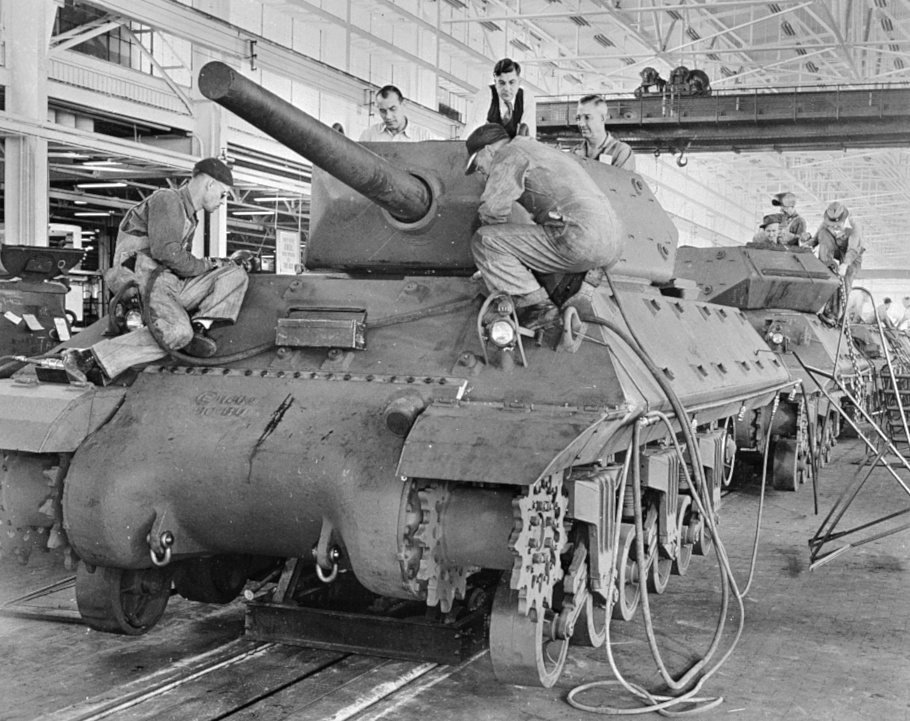
United States / United Kingdom / World War II
Tank Destroyer / Assault Gun / Direct-Fire · Tank destroyer
The M10 combined a Sherman-derived chassis, an open-topped turret, and a 3-inch gun for U.S. tank-destroyer units; British conversions armed with the 17-pounder became the Achilles.
Read the profile →
Germany / France / World War II
Tank Destroyer / Assault Gun / Direct-Fire · Tank destroyer
The Marder I family put German 75 mm antitank guns on captured French chassis, creating mobile but lightly protected tank destroyers during the emergency response to heavier Allied and Soviet armor.
Read the profile →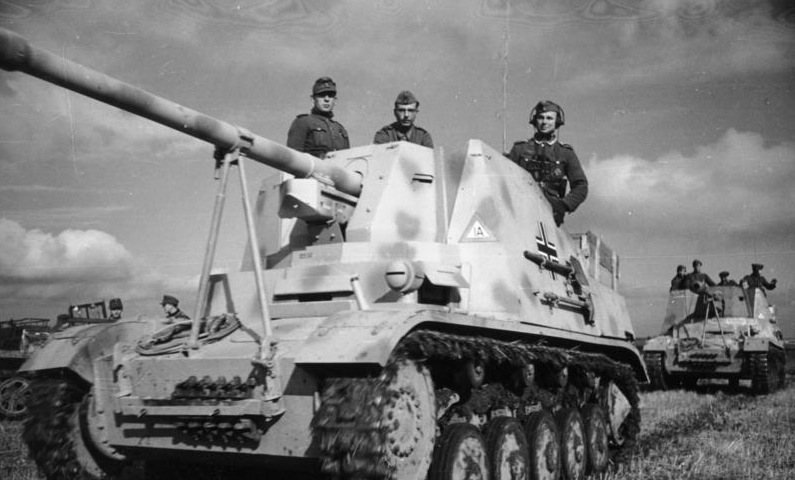
Germany / World War II
Tank Destroyer / Assault Gun / Direct-Fire · Tank destroyer
Marder II conversions used the Panzer II chassis to carry either captured Soviet 76.2 mm guns or the German 75 mm PaK 40, providing mobile antitank firepower at the cost of a tall open fighting compartment.
Read the profile →
Germany / Czechoslovakia / World War II
Tank Destroyer / Assault Gun / Direct-Fire · Tank destroyer
The Marder III family used the reliable Czech 38(t) chassis to carry captured Soviet 76.2 mm guns and later the German 75 mm PaK 40 in several open-topped layouts.
Read the profile →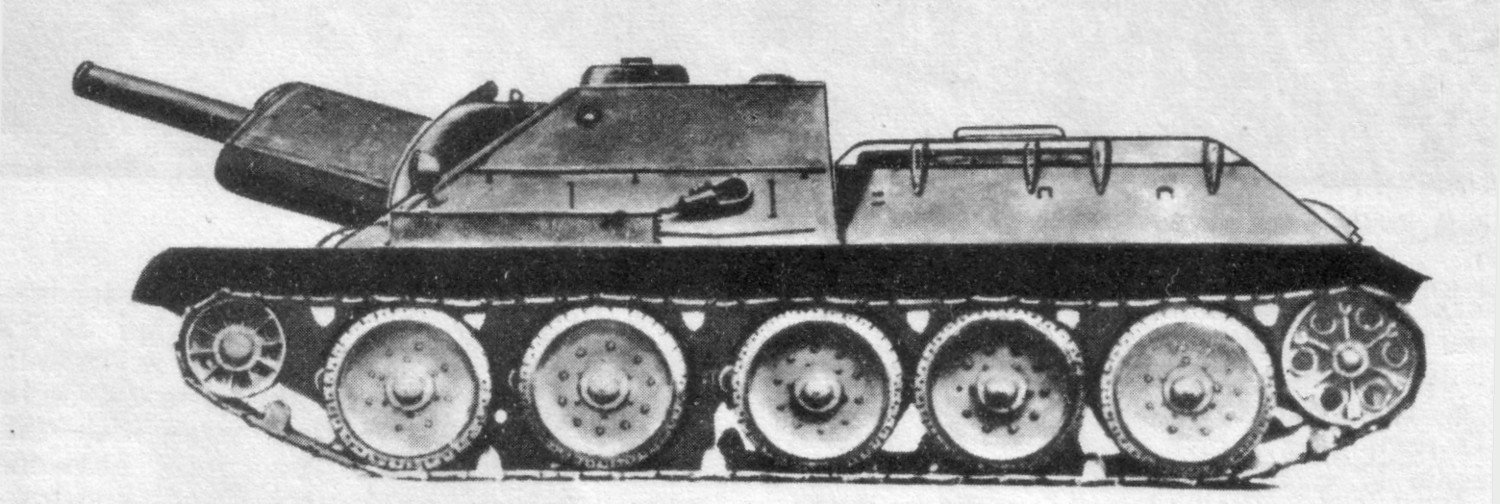
Soviet Union / World War II
Tank Destroyer / Assault Gun / Direct-Fire · Assault gun
The SU-122 placed a 122 mm howitzer on the T-34 chassis to give Soviet armored and infantry formations a mobile assault gun for high-explosive support against fieldworks and strongpoints.
Read the profile →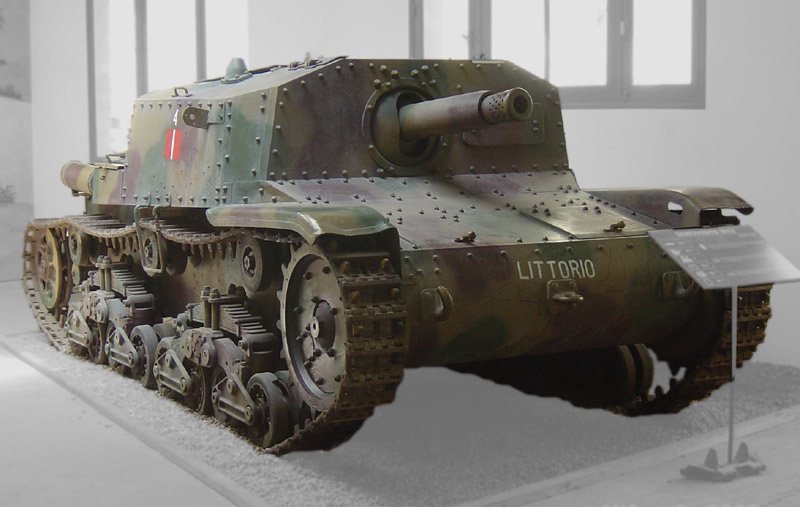
Italy / World War II
Tank Destroyer / Assault Gun / Direct-Fire · Assault gun / self-propelled howitzer
Italy’s Semovente 75/18 family placed a short 75 mm howitzer in a low casemate on successive M-series tank chassis, providing armored divisions with mobile artillery and surprisingly useful direct-fire antitank capability.
Read the profile →
Italy / World War II
Tank Destroyer / Assault Gun / Direct-Fire · Tank destroyer
The Semovente 90/53 mounted Italy’s powerful 90 mm dual-purpose gun on a modified M14/41 chassis, creating a hard-hitting but lightly protected tank destroyer with very limited onboard ammunition.
Read the profile →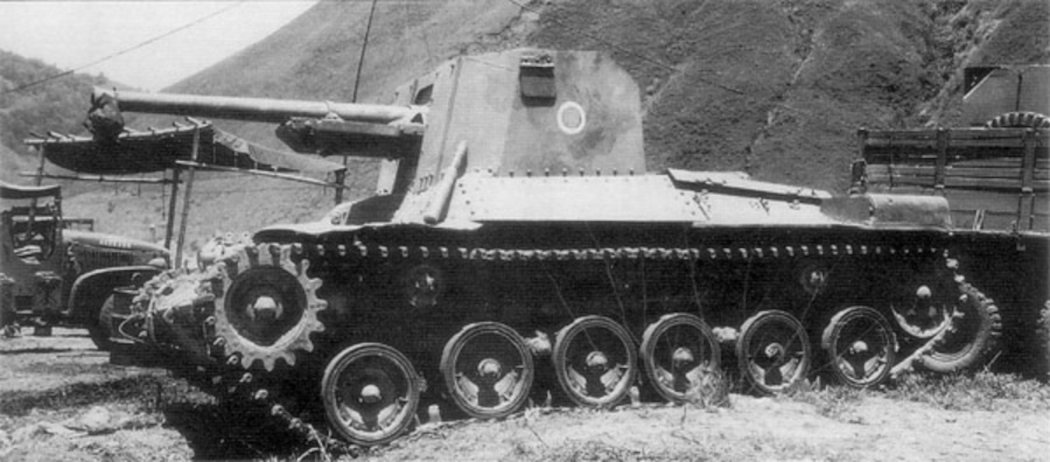
Japan / World War II
Tank Destroyer / Assault Gun / Direct-Fire · Tank destroyer / assault gun
The Japanese Ho-Ni family adapted the Type 97 Chi-Ha chassis to carry heavier guns in fixed superstructures, creating scarce self-propelled artillery and tank-destroyer variants for an army with limited armored industrial capacity.
Read the profile →
Germany / World War II
Tank Destroyer / Assault Gun / Direct-Fire · Heavy tank destroyer
Built from unused Porsche Tiger chassis, the Ferdinand paired thick armor and the long 88 mm PaK 43 with a complex petrol-electric drivetrain; surviving vehicles were rebuilt and renamed Elefant.
Read the profile →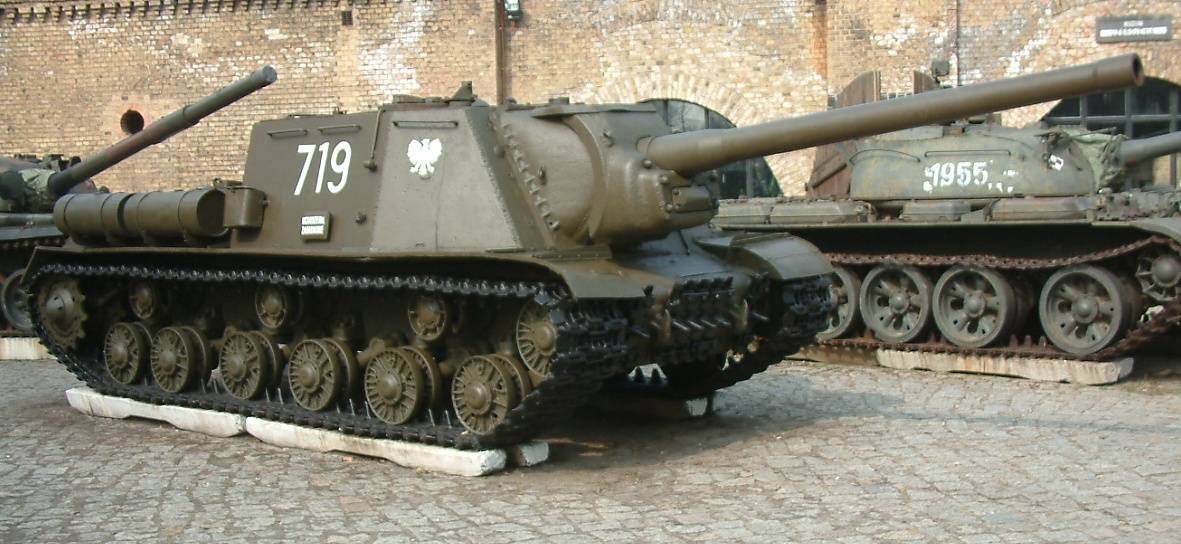
Soviet Union / World War II / Cold War
Tank Destroyer / Assault Gun / Direct-Fire · Heavy assault gun / tank destroyer
The ISU family placed 122 mm or 152 mm heavy guns in a fixed superstructure on the IS heavy-tank chassis, combining assault support, long-range direct fire, and heavy antitank potential.
Read the profile →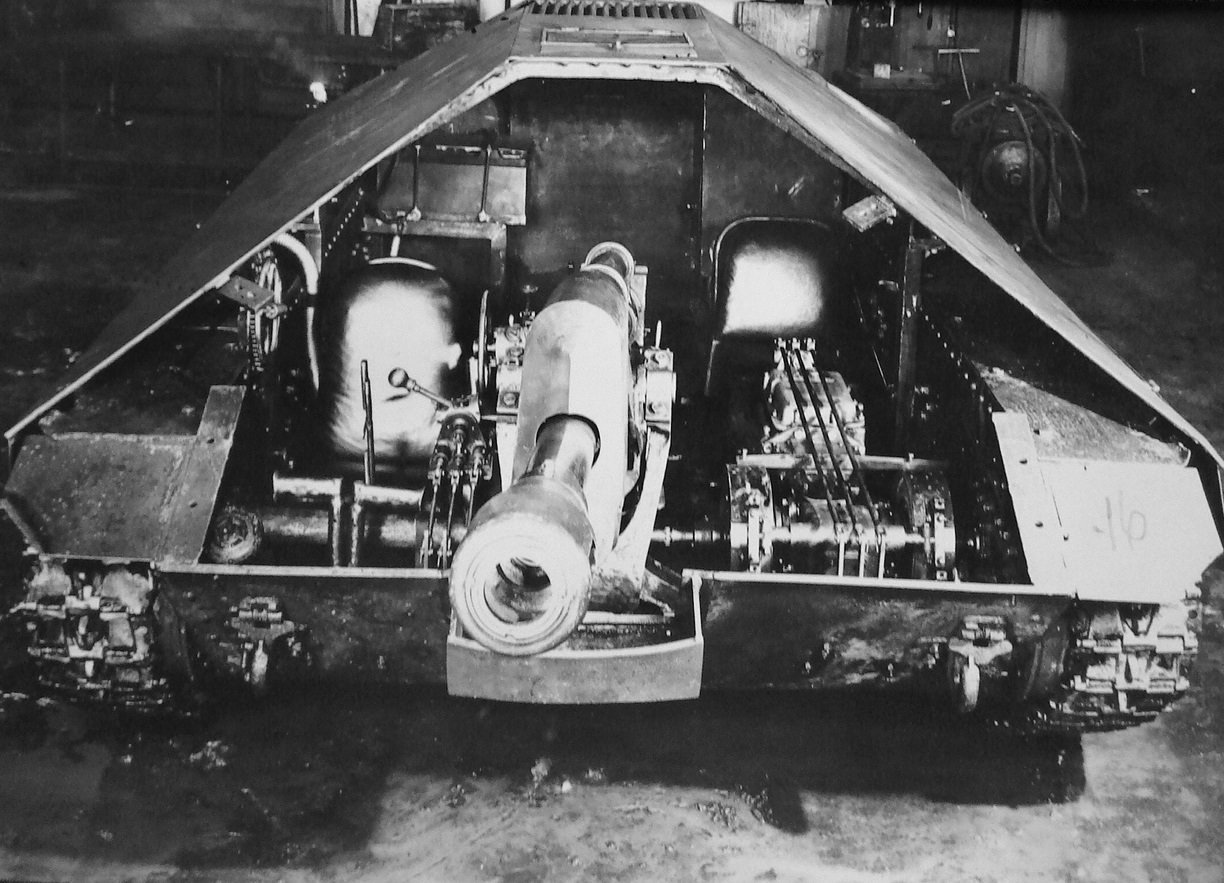
Romania / World War II
Tank Destroyer / Assault Gun / Direct-Fire · Tank destroyer
The Mareșal project grew from Romania’s need for a more effective anti-tank weapon after experience against modern Soviet armor exposed the limits of existing tanks and improvised conversions.
Read the profile →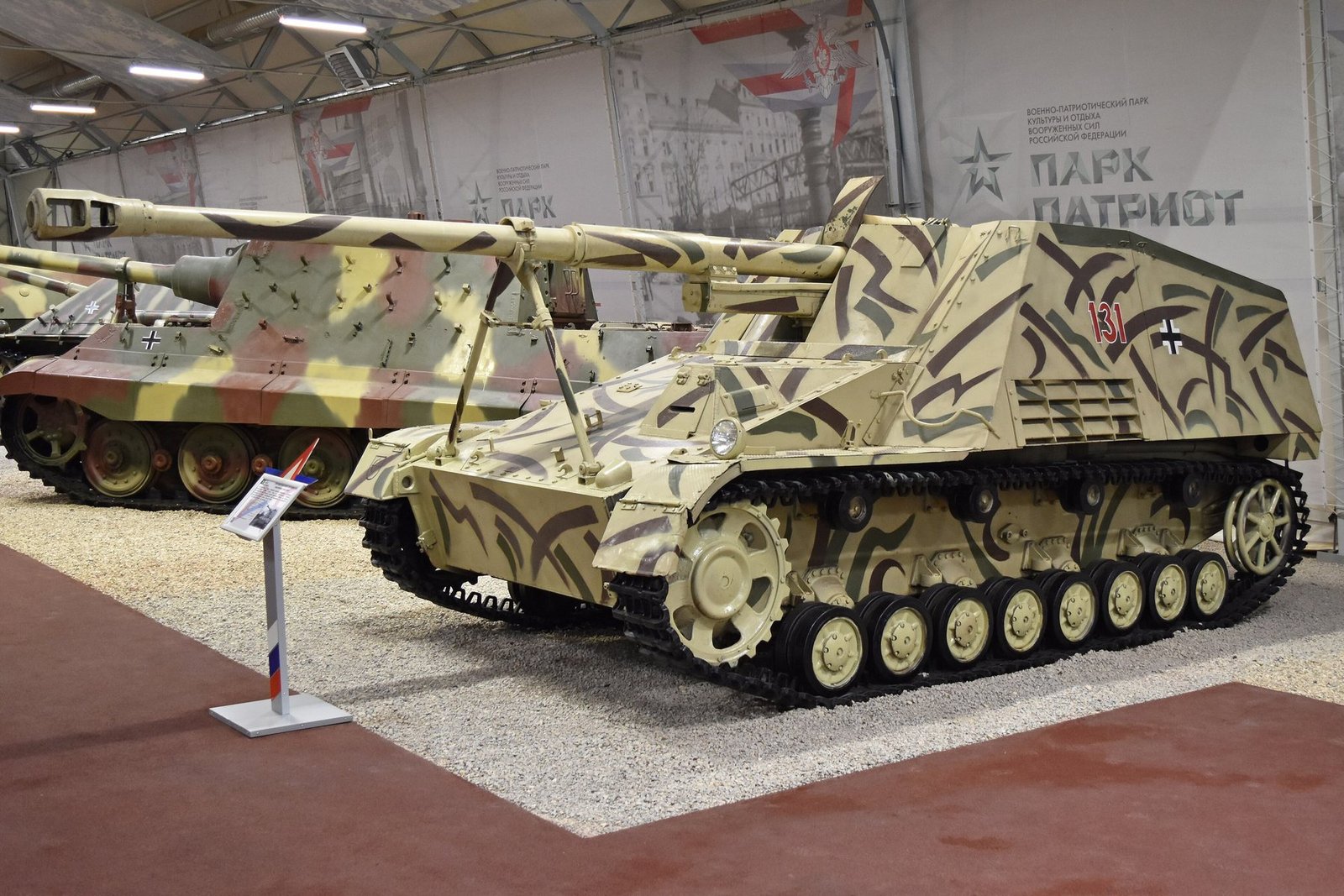
Germany / World War II
Tank Destroyer / Assault Gun / Direct-Fire · Tank destroyer
The Nashorn mounted the long 88 mm PaK 43 on a lightly armored, open fighting compartment using a mixed Panzer III/IV chassis, trading crew protection for long-range antitank power.
Read the profile →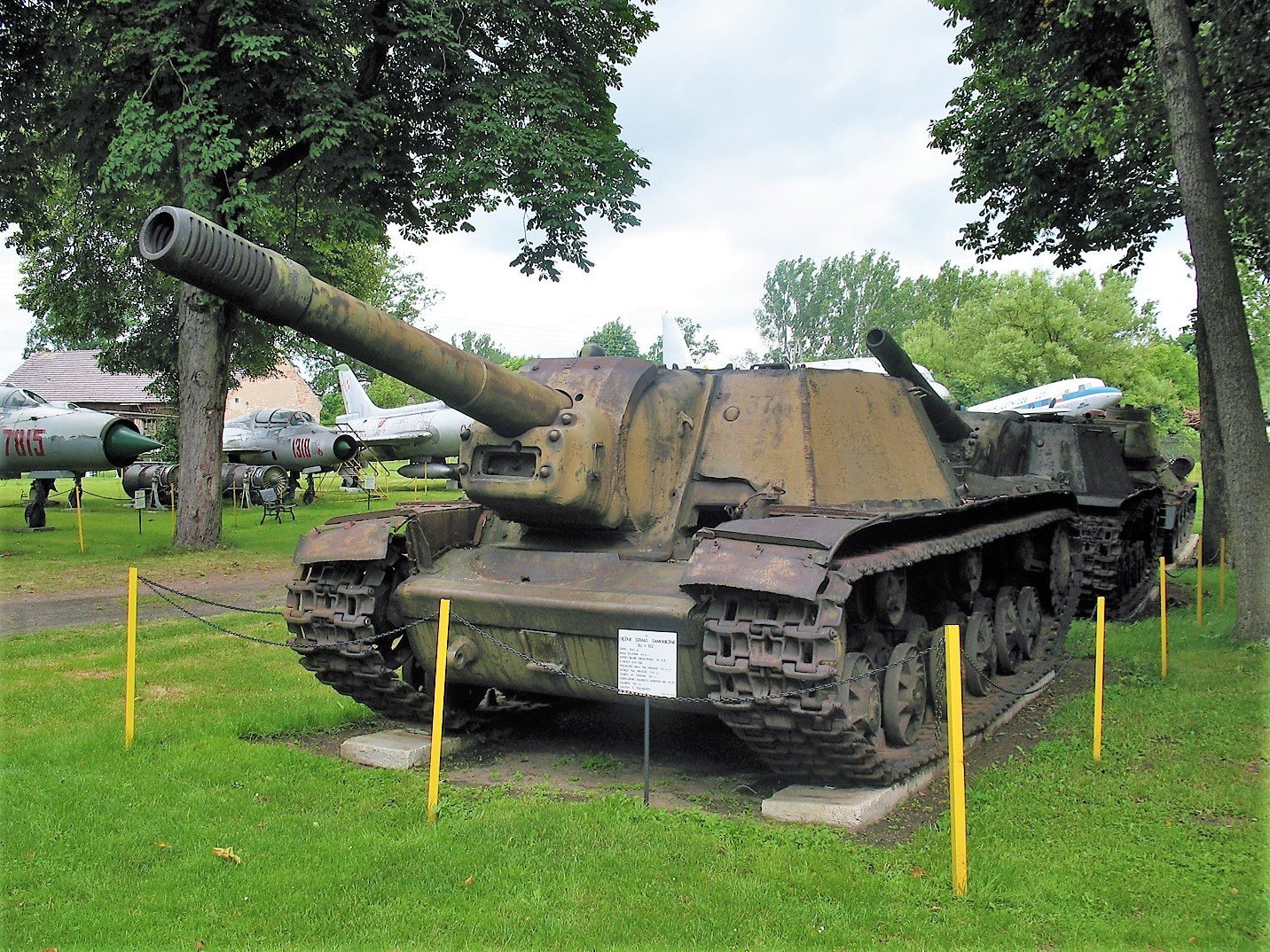
Soviet Union / World War II
Tank Destroyer / Assault Gun / Direct-Fire · Heavy assault gun
The SU-152 mounted a 152 mm gun-howitzer on the KV-1S chassis, creating a heavy assault gun capable of crushing fortifications and, with the right ammunition and circumstances, damaging heavy German armor.
Read the profile →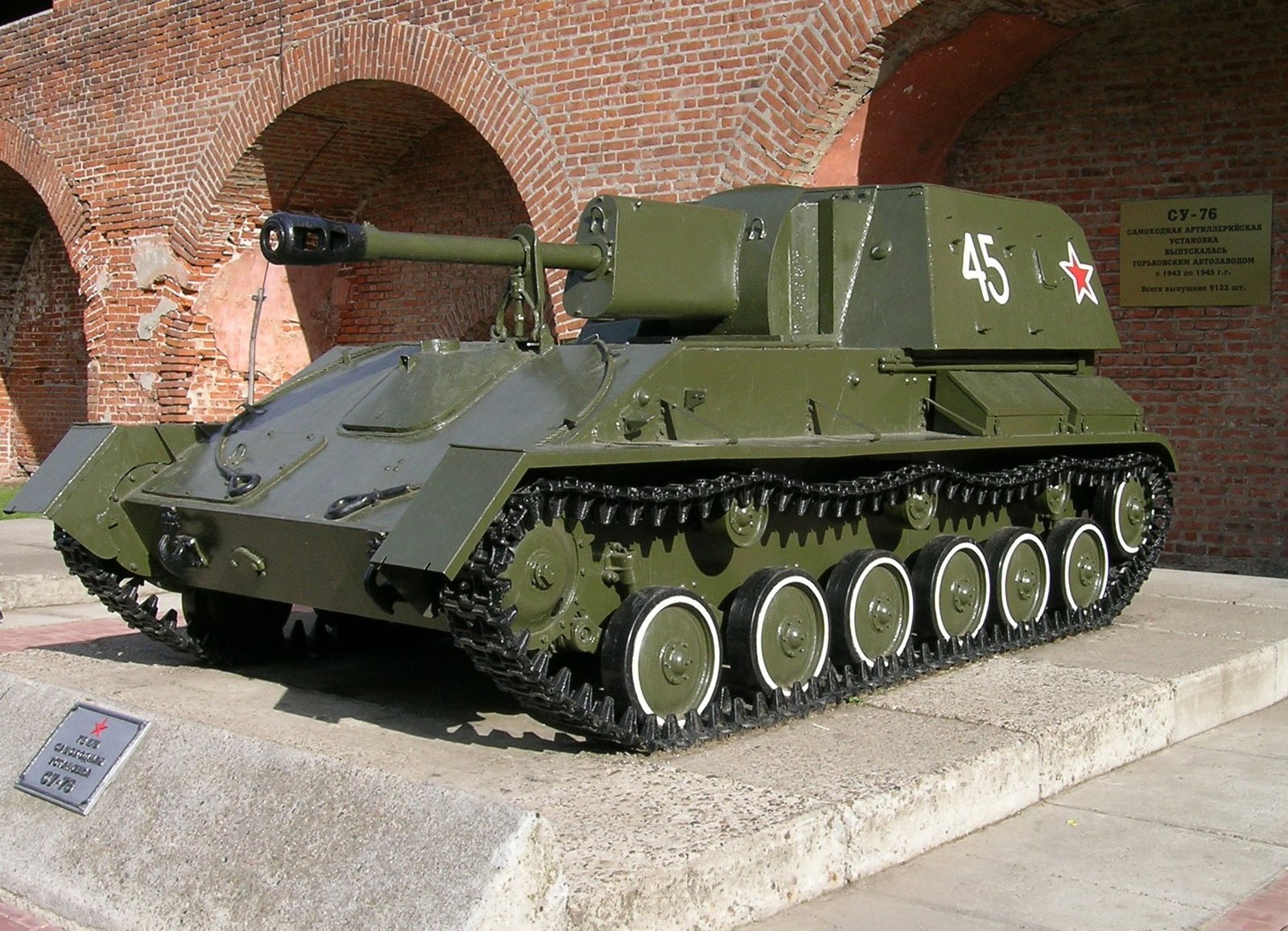
Soviet Union / World War II
Tank Destroyer / Assault Gun / Direct-Fire · Light self-propelled gun / tank destroyer
The light SU-76 family mounted a 76.2 mm divisional gun on a compact tracked chassis, giving Red Army infantry formations mobile direct fire, artillery support, and limited antitank capability.
Read the profile →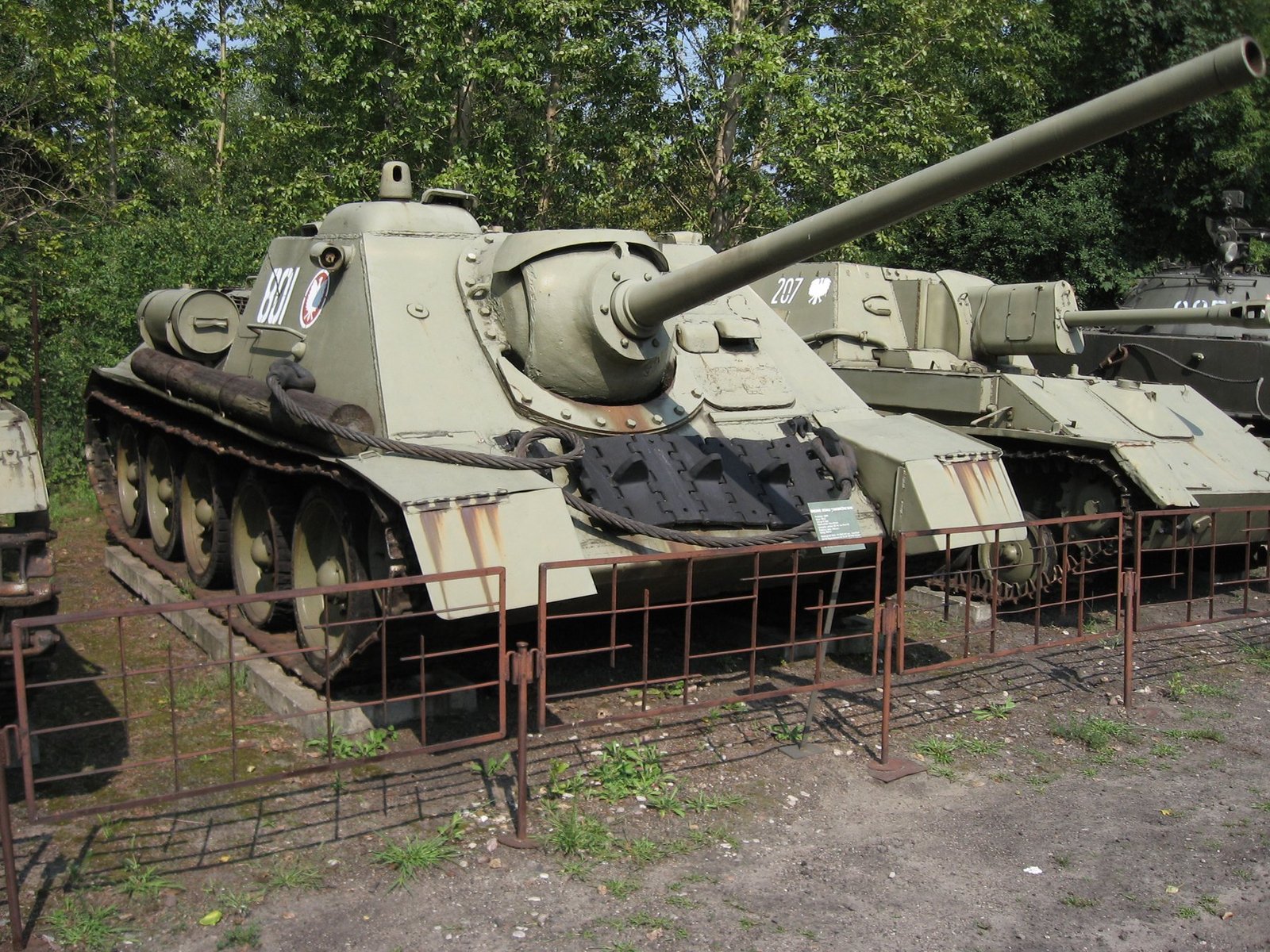
Soviet Union / World War II
Tank Destroyer / Assault Gun / Direct-Fire · Tank destroyer
The SU-85 adapted the T-34 chassis into a low casemate tank destroyer carrying an 85 mm gun, giving Soviet units stronger mobile antitank fire before the T-34-85 became widely available.
Read the profile →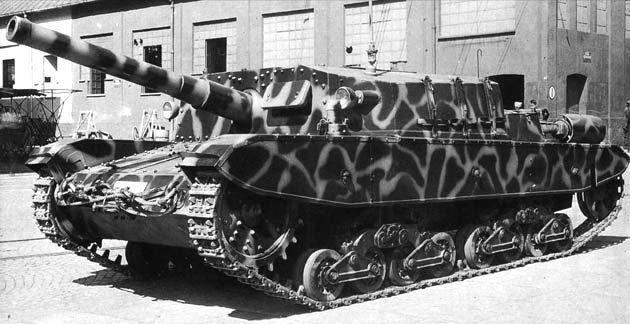
Italy / World War II
Tank Destroyer / Assault Gun / Direct-Fire · Assault gun
The Semovente 105/25 combined a low, enlarged M43 chassis with a 105 mm gun-howitzer, producing Italy’s heaviest series-built wartime assault gun before most examples passed into German service after the 1943 armistice.
Read the profile →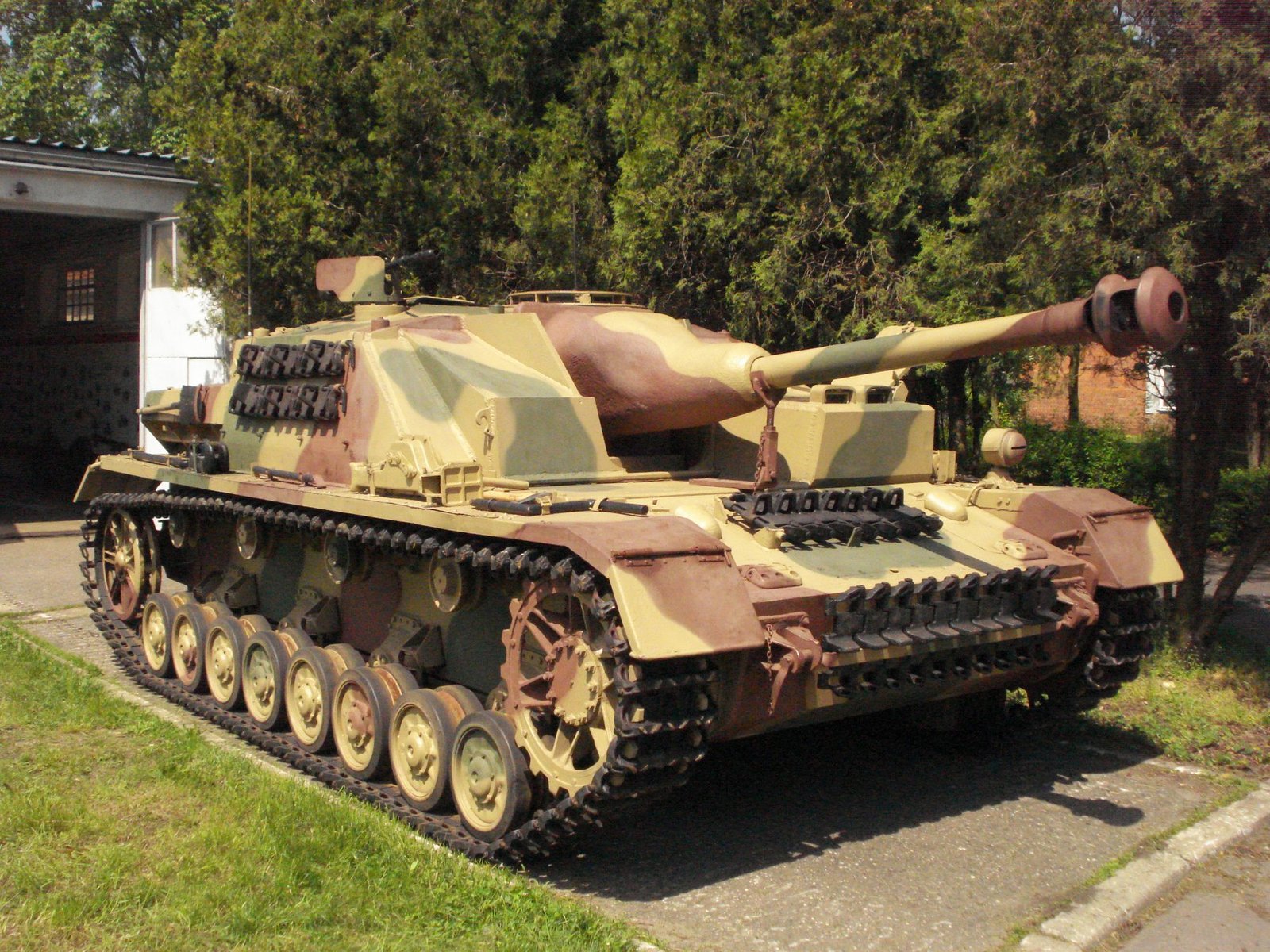
Germany / World War II
Tank Destroyer / Assault Gun / Direct-Fire · Assault gun / tank destroyer
The StuG IV transplanted the proven late-war StuG fighting compartment and long 75 mm gun onto the Panzer IV chassis when bombing and production disruption threatened StuG III output.
Read the profile →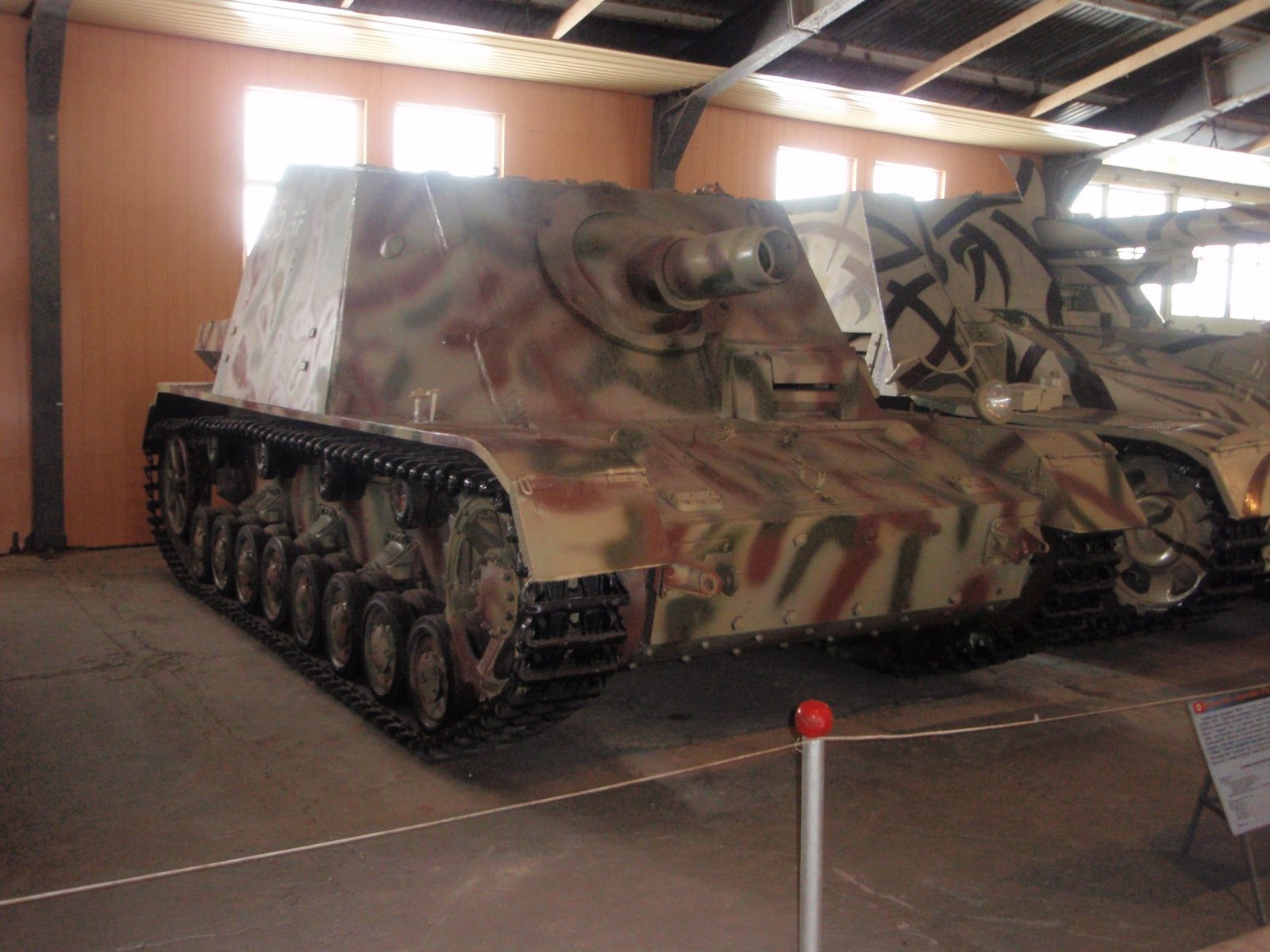
Germany / World War II
Tank Destroyer / Assault Gun / Direct-Fire · Heavy assault gun
The Sturmpanzer IV was a heavily armored close-support assault gun built around a 150 mm infantry gun on the Panzer IV chassis for smashing fortifications and strongpoints at short range.
Read the profile →
United Kingdom / World War II
Tank Destroyer / Assault Gun / Direct-Fire · Assault gun prototype
The Alecto was a very low British self-propelled gun project based on the Harry Hopkins light-tank chassis; wartime development produced prototypes, but the vehicle arrived too late for operational service.
Read the profile →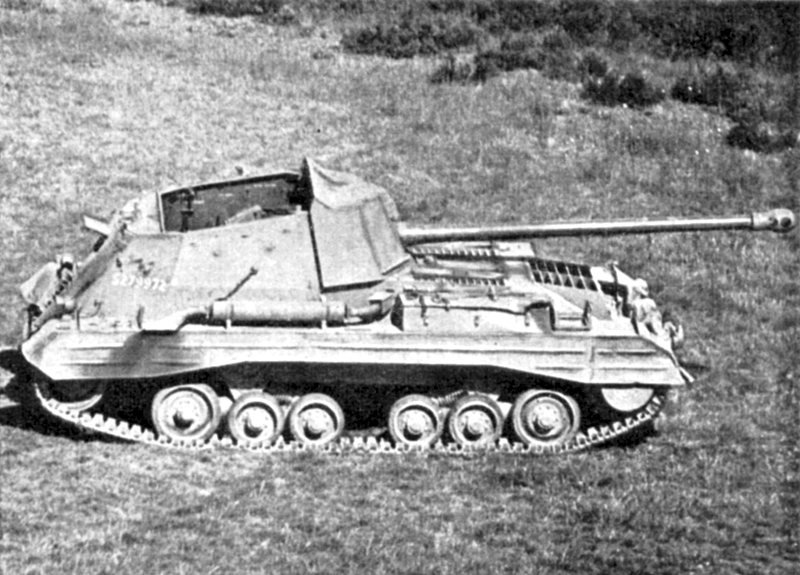
United Kingdom / World War II
Tank Destroyer / Assault Gun / Direct-Fire · Tank destroyer
The British Archer fitted the powerful 17-pounder antitank gun to the Valentine chassis in a rear-facing open mount, producing a compact ambush weapon with an unusual firing orientation.
Read the profile →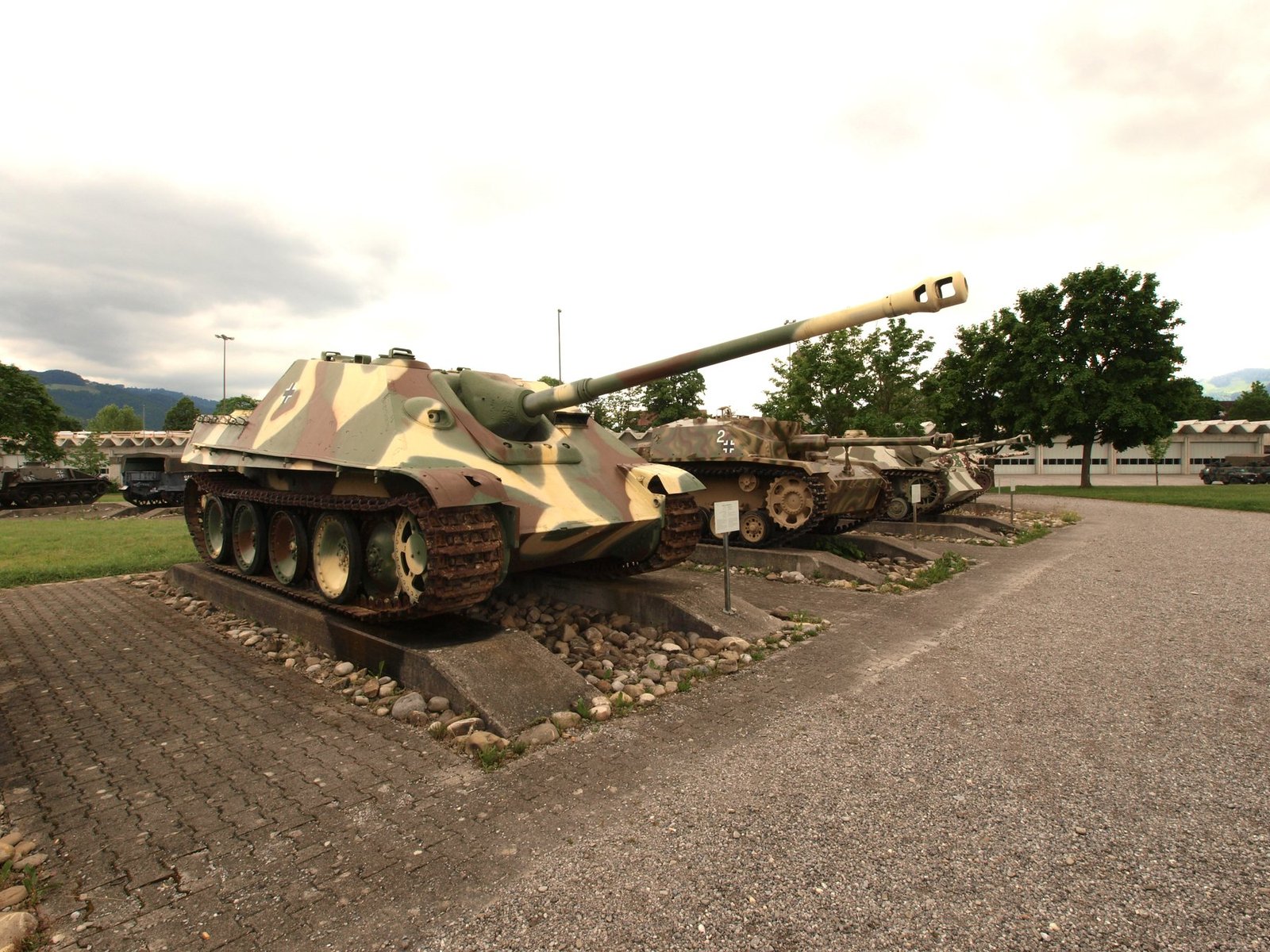
Germany / World War II
Tank Destroyer / Assault Gun / Direct-Fire · Tank destroyer
The Jagdpanther combined the Panther chassis with the long 88 mm PaK 43 in a sloped casemate, creating one of Germany’s most powerful and balanced late-war tank destroyers.
Read the profile →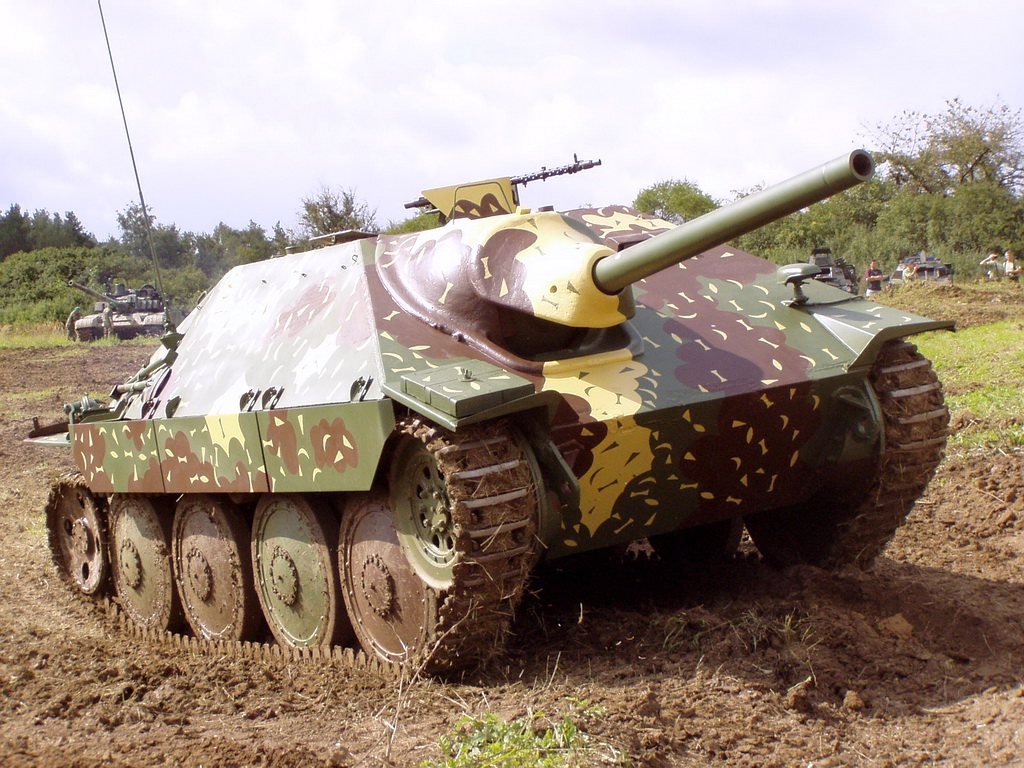
Germany / Czechoslovakia / World War II
Tank Destroyer / Assault Gun / Direct-Fire · Tank destroyer
The compact Jagdpanzer 38(t) combined a 75 mm antitank gun, sloped armor, and the Czech 38(t) industrial base in a small vehicle intended for infantry-division antitank companies.
Read the profile →
Germany / World War II
Tank Destroyer / Assault Gun / Direct-Fire · Tank destroyer
The Jagdpanzer IV family turned the Panzer IV chassis into a purpose-built low casemate tank destroyer, progressing from the 75 mm L/48 gun to the much longer Panther-class L/70 weapon.
Read the profile →
Germany / World War II
Tank Destroyer / Assault Gun / Direct-Fire · Heavy tank destroyer
The Jagdtiger mounted a 128 mm gun in a massive fixed superstructure on a Tiger II-derived chassis, producing the heaviest armored fighting vehicle to see combat in the Second World War.
Read the profile →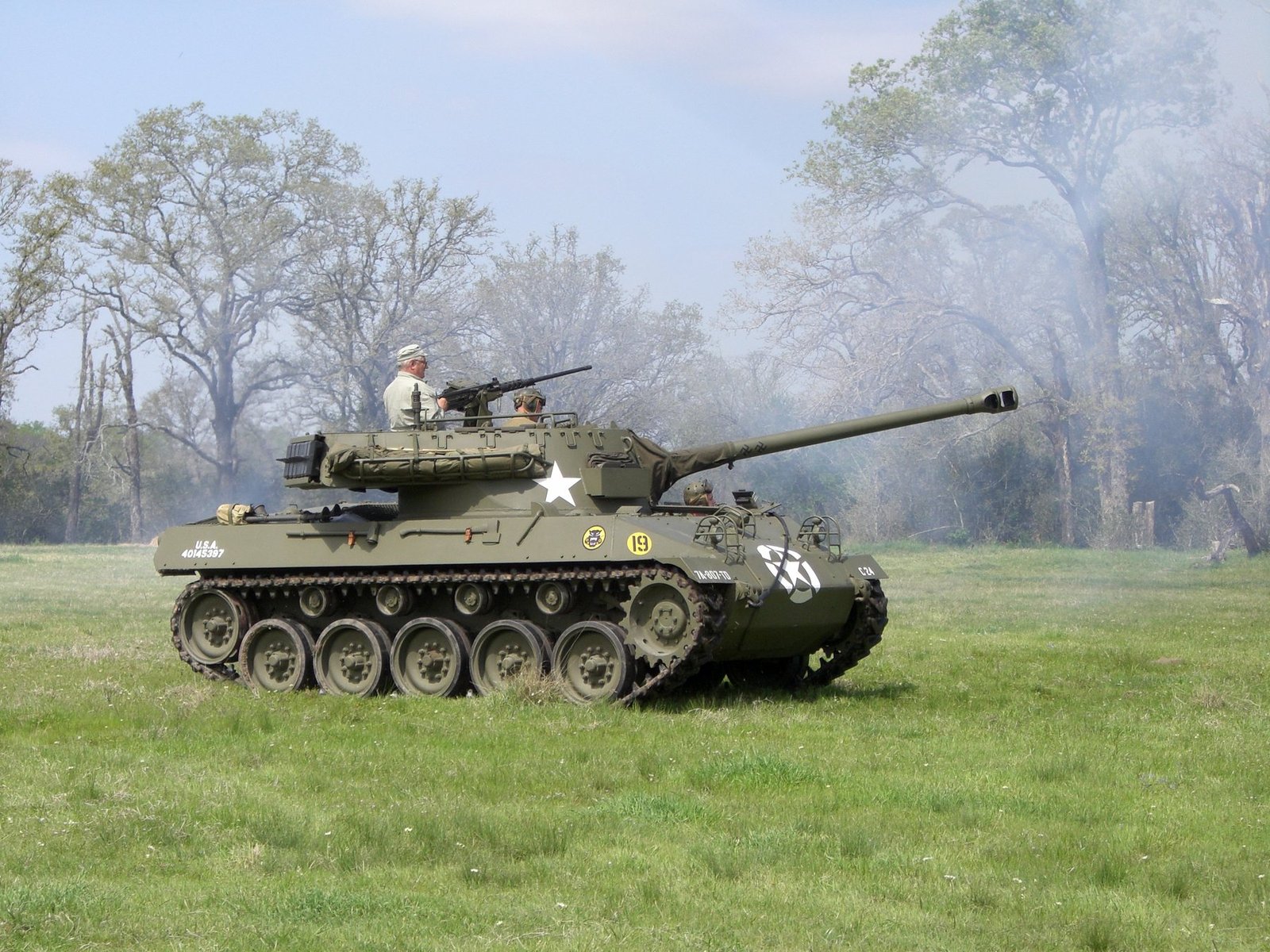
United States / World War II
Tank Destroyer / Assault Gun / Direct-Fire · Tank destroyer
The purpose-built M18 Hellcat pushed U.S. tank-destroyer doctrine toward extreme mobility, pairing a 76 mm gun with very light armor and unusually high speed.
Read the profile →
United States / World War II / Cold War
Tank Destroyer / Assault Gun / Direct-Fire · Tank destroyer
The M36 combined the M10-family chassis concept with a new open turret and 90 mm gun, giving U.S. tank-destroyer units a harder-hitting answer to late-war German armor.
Read the profile →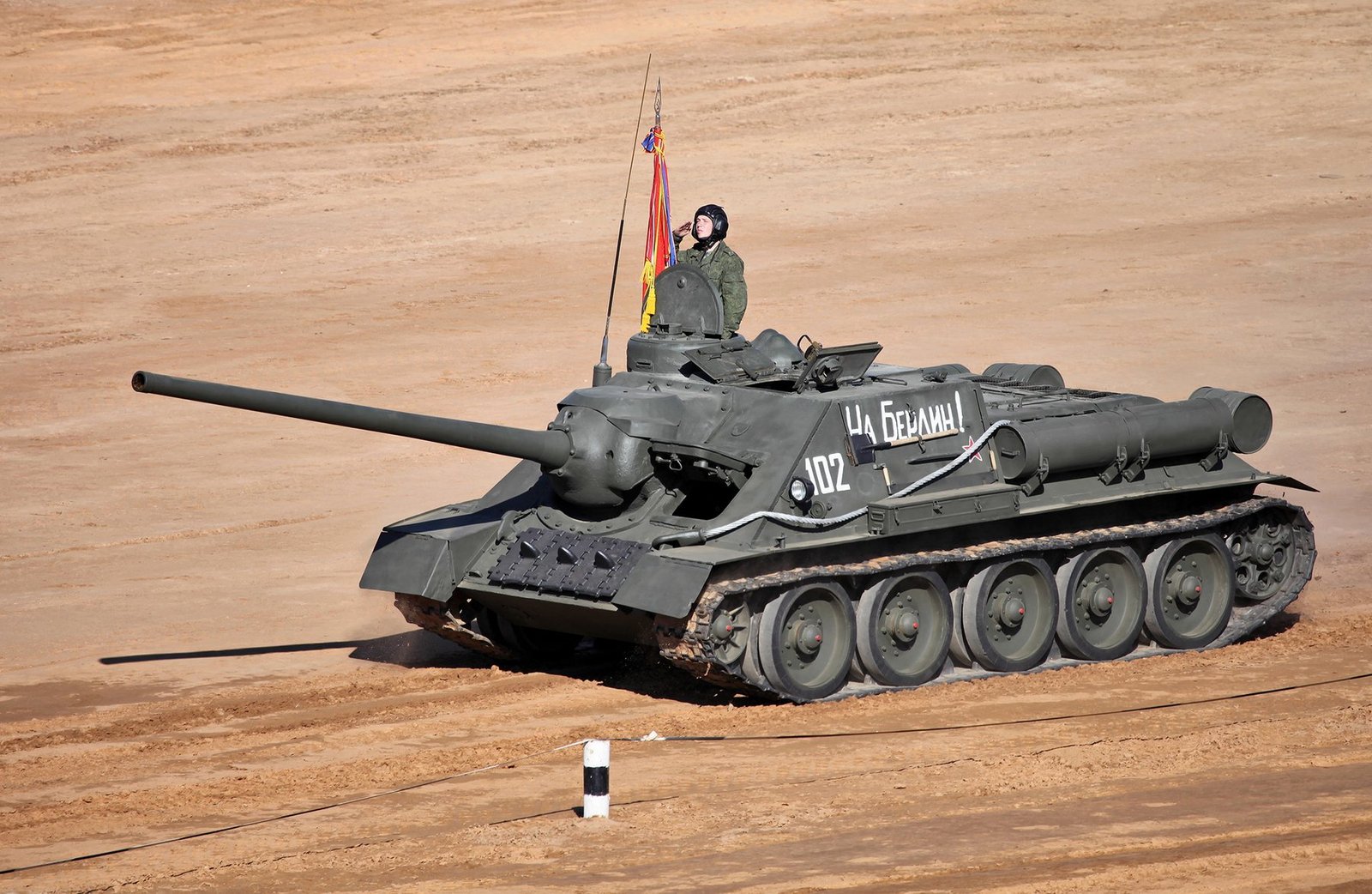
Soviet Union / World War II / Cold War
Tank Destroyer / Assault Gun / Direct-Fire · Tank destroyer
The SU-100 replaced the SU-85’s 85 mm weapon with the powerful 100 mm D-10S while retaining the T-34-based casemate layout, creating the Red Army’s mature medium tank destroyer of the war’s final phase.
Read the profile →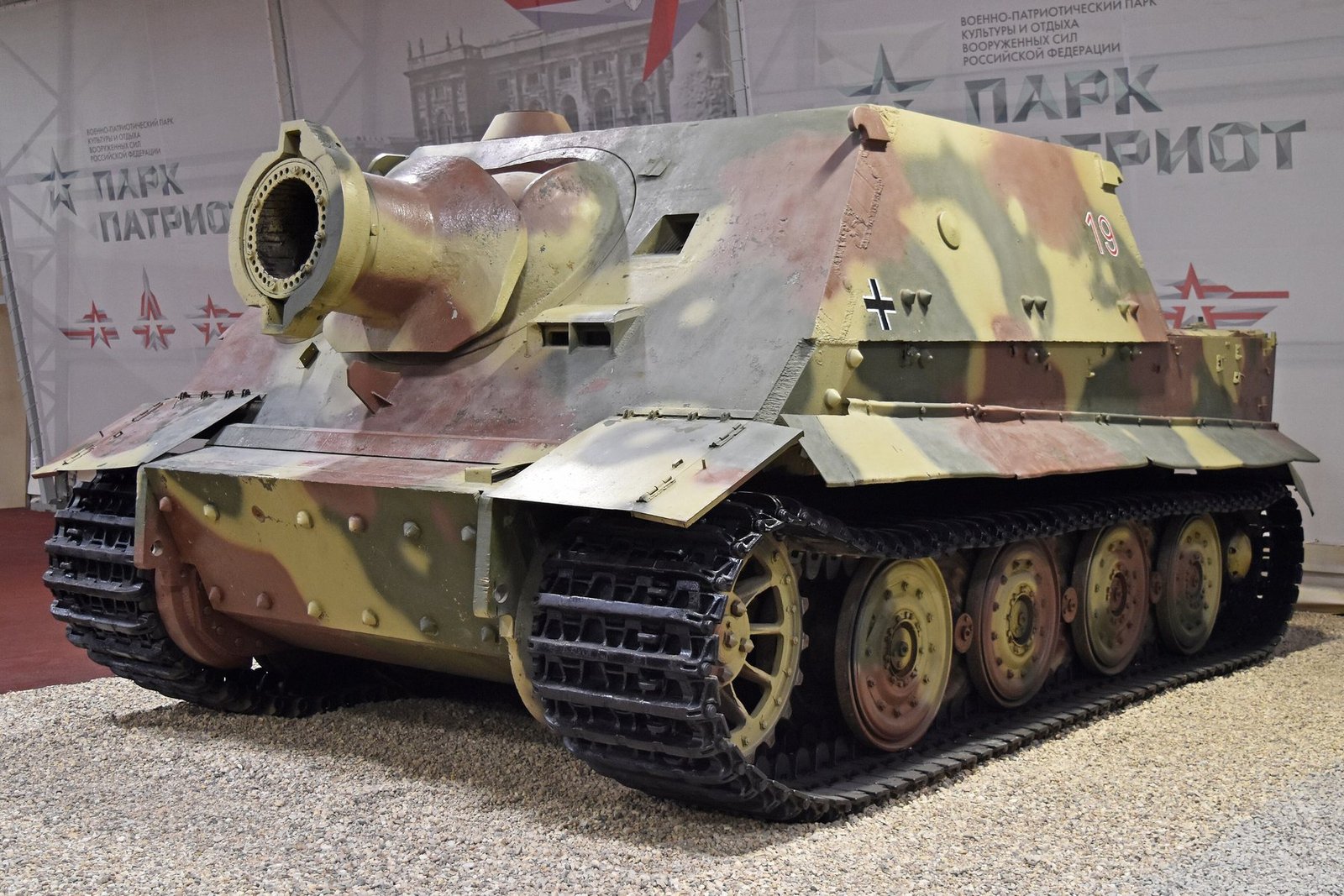
Germany / World War II
Tank Destroyer / Assault Gun / Direct-Fire · Heavy assault gun
The Sturmtiger used a Tiger I chassis to carry a 380 mm rocket-propelled mortar for extreme close-support fire against fortified urban positions.
Read the profile →Japan / World War II
Tank Destroyer / Assault Gun / Direct-Fire · Tank destroyer project
The Ho-Ri name covers late-war Japanese heavy tank-destroyer projects built around the Type 5 Chi-Ri chassis concept and a 105 mm gun; documentary evidence supports development work, but no completed combat prototype is securely established.
Read the profile →
United Kingdom / Cold War
Tank Destroyer / Assault Gun / Direct-Fire · Direct-fire gun vehicle / tank-destroyer prototype
The FV4004 Conway was not a production tank family in the ordinary sense. It was a highly focused British prototype program intended to place a 120 mm anti-tank gun on an available Centurion hull quickly enough to bridge the perceived gap before FV214 Conqueror…
Read the profile →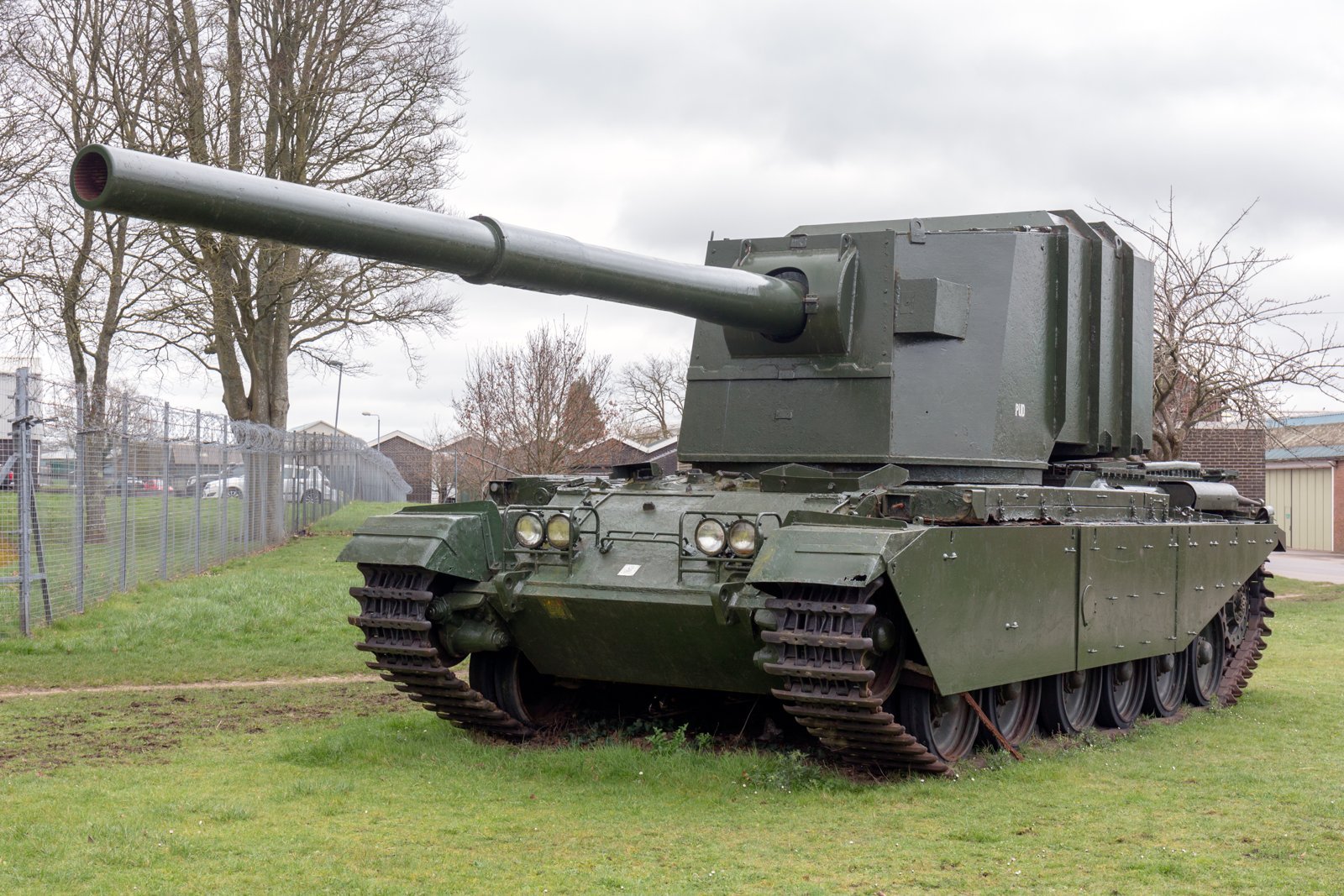
United Kingdom / Cold War
Tank Destroyer / Assault Gun / Direct-Fire · Direct-fire gun vehicle / tank-destroyer prototype
FV4005 was not a production tank family in the conventional sense. It was a British prototype program built around the 183 mm L4A1 gun, the largest gun The Tank Museum identifies as having been fitted to a tank.
Read the profile →
United States / Cold War / Vietnam War
Tank Destroyer / Assault Gun / Direct-Fire · Recoilless-rifle tank destroyer
The Marine Corps M50 Ontos carried six 106 mm recoilless rifles on a small tracked chassis, creating a light antitank vehicle that found its most memorable combat role as direct-fire infantry support in Vietnam.
Read the profile →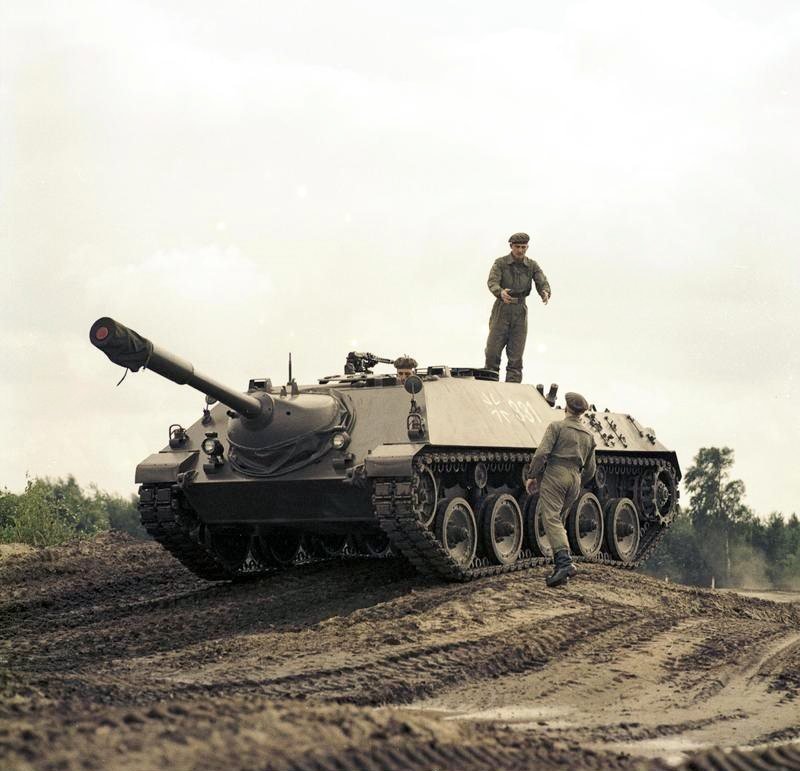
West Germany / Cold War
Tank Destroyer / Assault Gun / Direct-Fire · Tank destroyer
West Germany’s Kanonenjagdpanzer revived the low casemate tank-destroyer layout with a 90 mm gun on a fast tracked chassis, but rapidly improving tank armor made the gun concept short-lived.
Read the profile →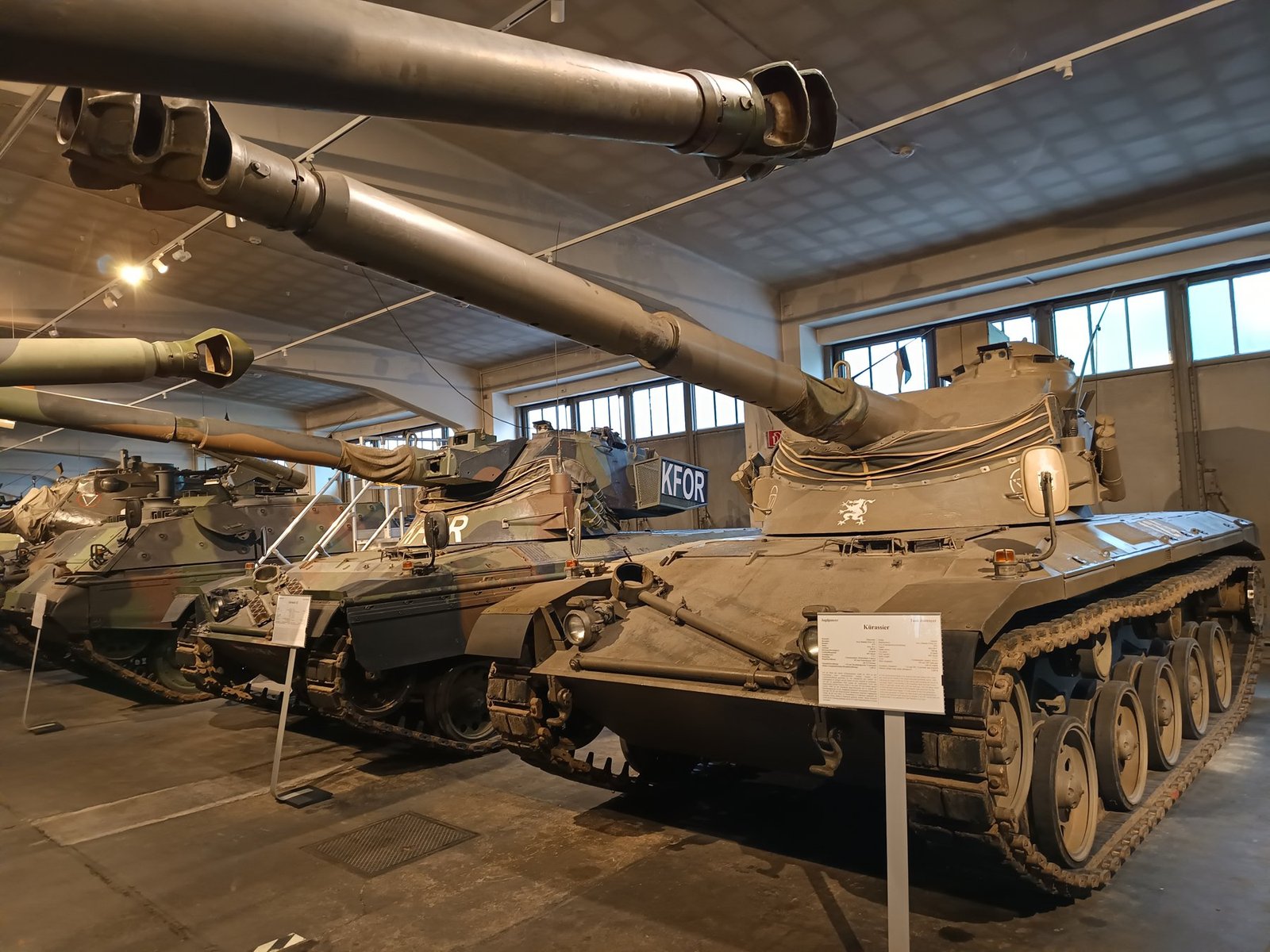
Austria / Cold War
Tank Destroyer / Assault Gun / Direct-Fire · Tank destroyer / direct-fire vehicle
The SK-105 Kürassier was an Austrian armored direct-fire vehicle developed in the 1960s and delivered from the early 1970s.
Read the profile →
West Germany / Cold War
Tank Destroyer / Assault Gun / Direct-Fire · Missile tank destroyer
West Germany’s missile tank-destroyer family evolved from SS.11-armed Raketenjagdpanzer vehicles into HOT- and TOW-equipped Jaguar conversions, extending the life of the same low tracked chassis after guided missiles displaced the 90 mm gun.
Read the profile →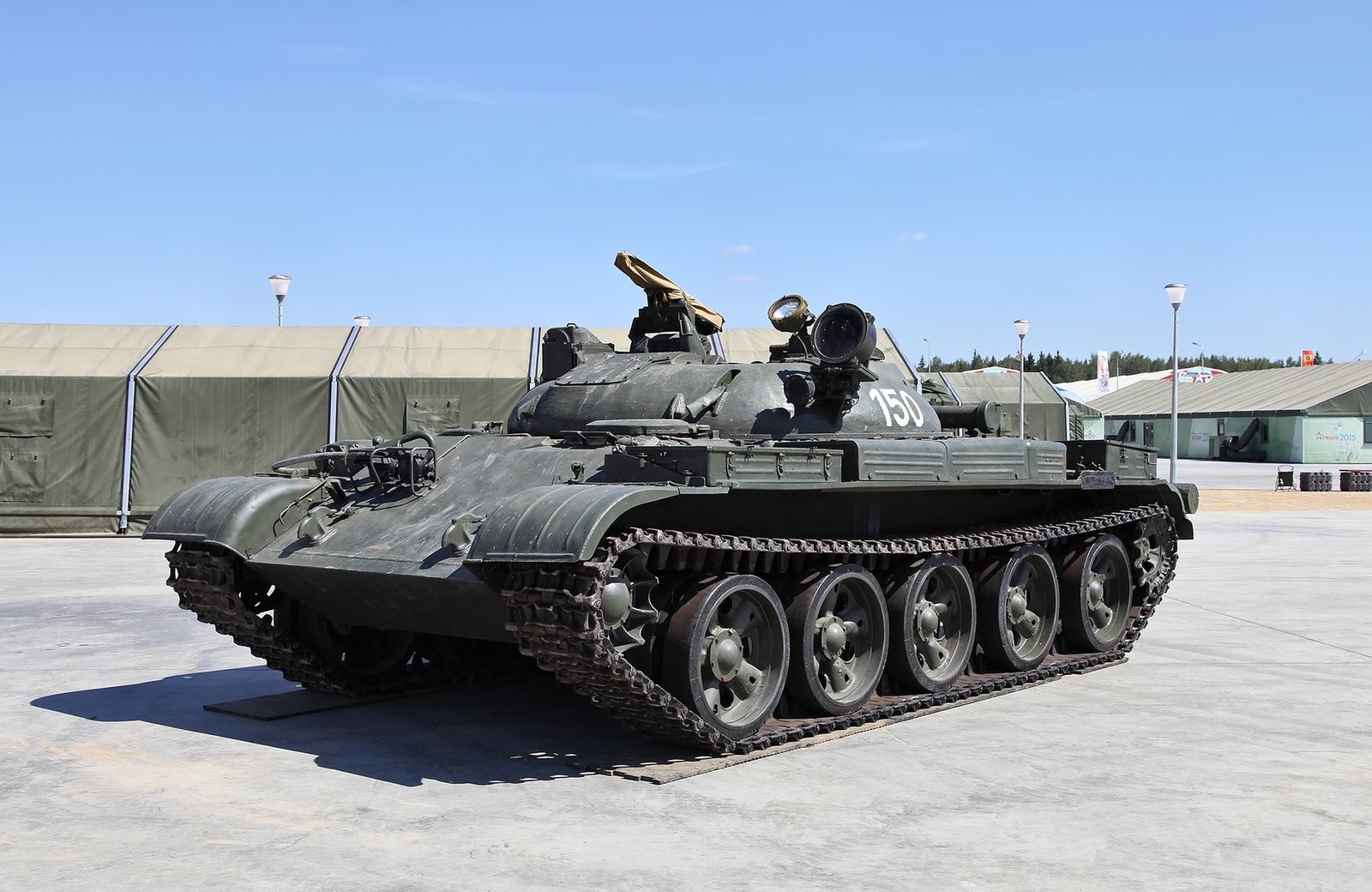
Soviet Union / Cold War
Tank Destroyer / Assault Gun / Direct-Fire · Missile tank destroyer
The Soviet IT-1 used a T-62-derived chassis and a low turret housing a pop-up launcher for 3M7 Drakon antitank missiles, fielding the missile-tank idea briefly before its tactical limitations ended the experiment.
Read the profile →Soviet Union / Russia / Cold War / Modern
Tank Destroyer / Assault Gun / Direct-Fire · Missile tank destroyer
The 9P149 Shturm-S put the radio-command-guided Shturm antitank missile on the low MT-LB chassis, creating a concealed tracked ambush system with an automatic loading mechanism and retractable launcher.
Read the profile →
United States / Cold War
Tank Destroyer / Assault Gun / Direct-Fire · Missile tank destroyer
The M901 ITV converted the M113 carrier into a protected TOW missile platform with a distinctive elevating “hammerhead” launcher, giving U.S. mechanized formations a dedicated long-range antitank vehicle.
Read the profile →
Sweden / Cold War
Tank Destroyer / Assault Gun / Direct-Fire · Direct-fire support / light-tank demonstrator
The CV90120 was not a Swedish Army production tank. It was, and in the cited record remains, a CV90-derived 120 mm direct-fire demonstrator and export offering.
Read the profile →
Italy / Cold War / Modern
Tank Destroyer / Assault Gun / Direct-Fire · Wheeled tank destroyer / direct-fire vehicle
Italy’s Centauro family pairs an eight-wheeled high-mobility chassis with tank-class direct-fire guns, evolving from the 105 mm B1 into the more heavily protected 120 mm Centauro II.
Read the profile →
Russia / Modern
Tank Destroyer / Assault Gun / Direct-Fire · Missile tank destroyer
The Khrizantema-S uses a BMP-3-derived chassis, twin retractable missile rails, automatic loading, and both radar and laser guidance to give Russian antitank units a modern all-weather missile carrier.
Read the profile →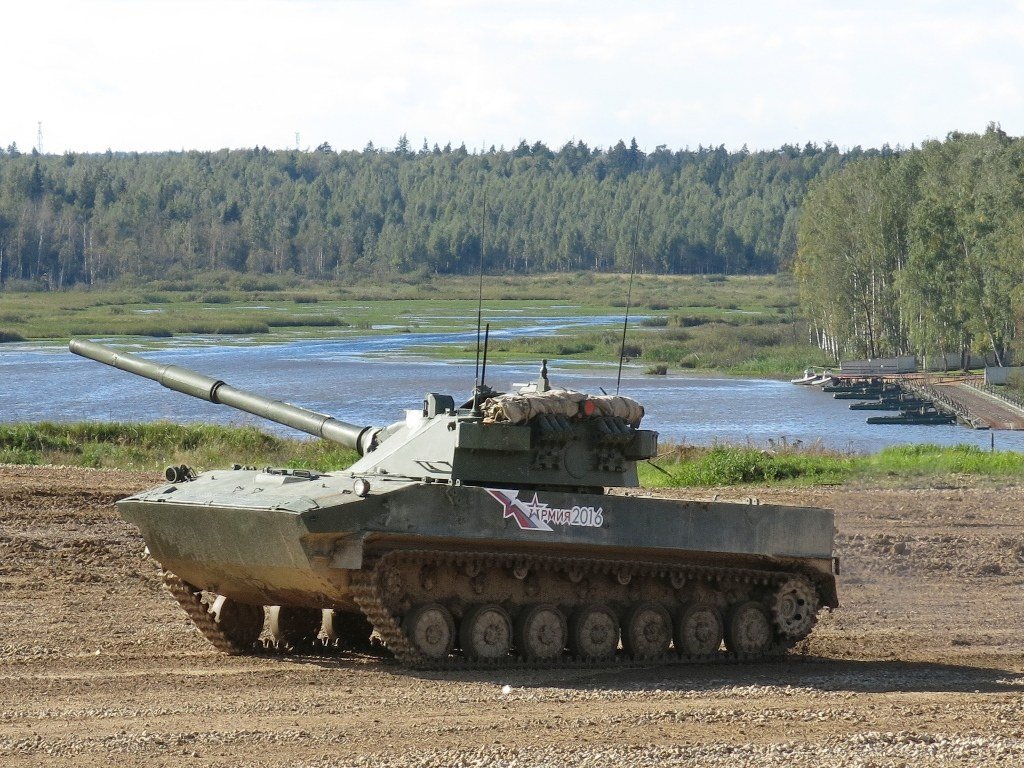
Russia / Modern
Tank Destroyer / Assault Gun / Direct-Fire · Self-propelled antitank gun / direct-fire vehicle
The 2S25 Sprut-SD is a Russian airborne amphibious tracked direct-fire vehicle built around a 125 mm smoothbore gun.
Read the profile →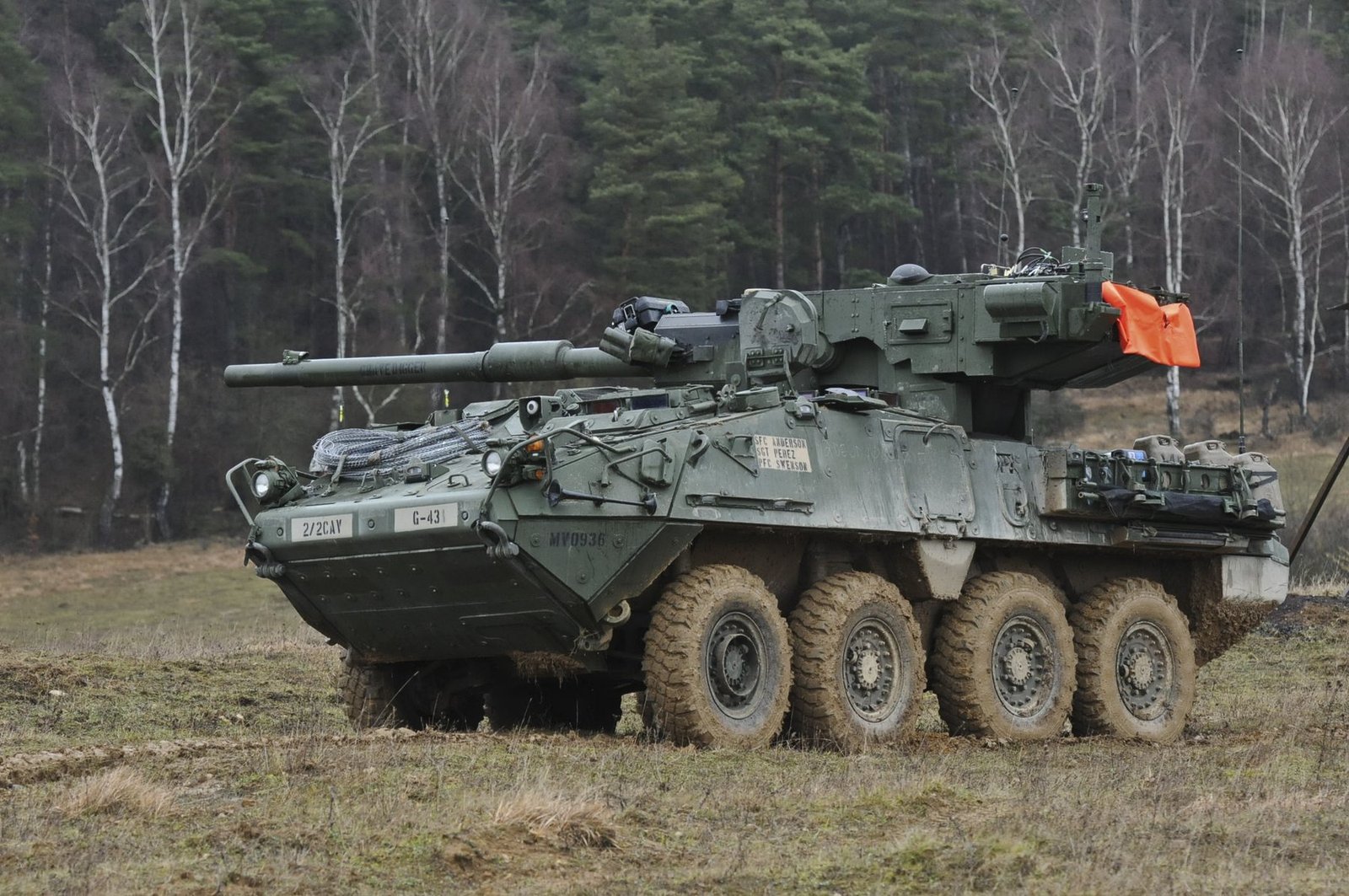
United States / Modern
Tank Destroyer / Assault Gun / Direct-Fire · Wheeled direct-fire vehicle
The M1128 Mobile Gun System mounted a low-profile 105 mm autoloading gun system on the eight-wheeled Stryker chassis to provide infantry with direct fire against bunkers, walls, and armored threats.
Read the profile →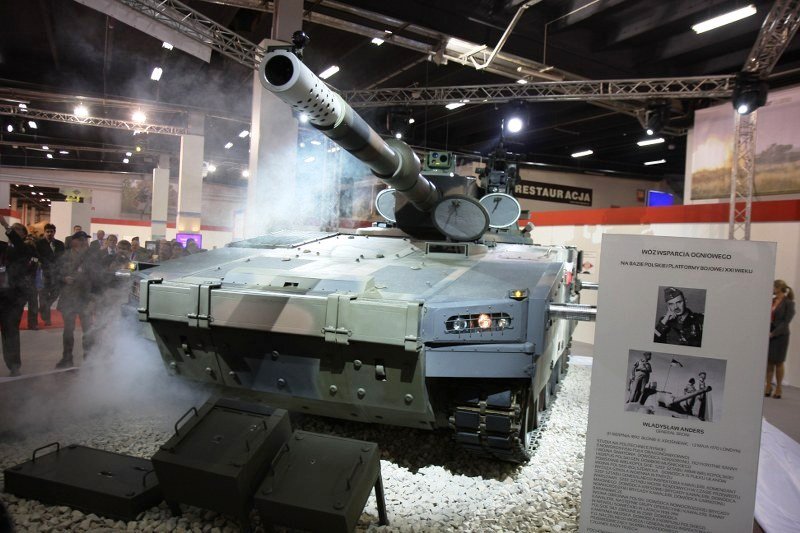
Poland / United Kingdom / Modern
Tank Destroyer / Assault Gun / Direct-Fire · Direct-fire concept / demonstrator
The Anders / PL-01 family was not a fielded tank family. It was a linked set of Polish demonstrators, mock-ups, and direct-fire-support studies that attempted to combine the firepower normally associated with main battle tanks with a lighter, modular tracked chassis.
Read the profile →China / Modern
Tank Destroyer / Assault Gun / Direct-Fire · Wheeled assault gun
The ZTL-11 is the 105 mm direct-fire member of China’s Type 08 eight-wheeled armored-vehicle family, giving medium and marine formations a mobile assault gun on the same basic chassis lineage as their infantry vehicles.
Read the profile →
Japan / Modern
Tank Destroyer / Assault Gun / Direct-Fire · Wheeled direct-fire vehicle
Japan’s Type 16 MCV combines a 105 mm gun with an eight-wheeled chassis optimized for rapid road movement and strategic redeployment, giving JGSDF rapid-deployment units tank-like direct fire without tank weight.
Read the profile →
United States / Modern
Tank Destroyer / Assault Gun / Direct-Fire · Mobile protected firepower / direct-fire vehicle
The M10 Booker was a tank-like, turreted, tracked, direct-fire combat vehicle intended to give U.S. Army infantry brigade combat teams a mobile, protected, precision-fire capability against bunkers, fortified positions, heavy machine guns, dismounted troops, and…
Read the profile →