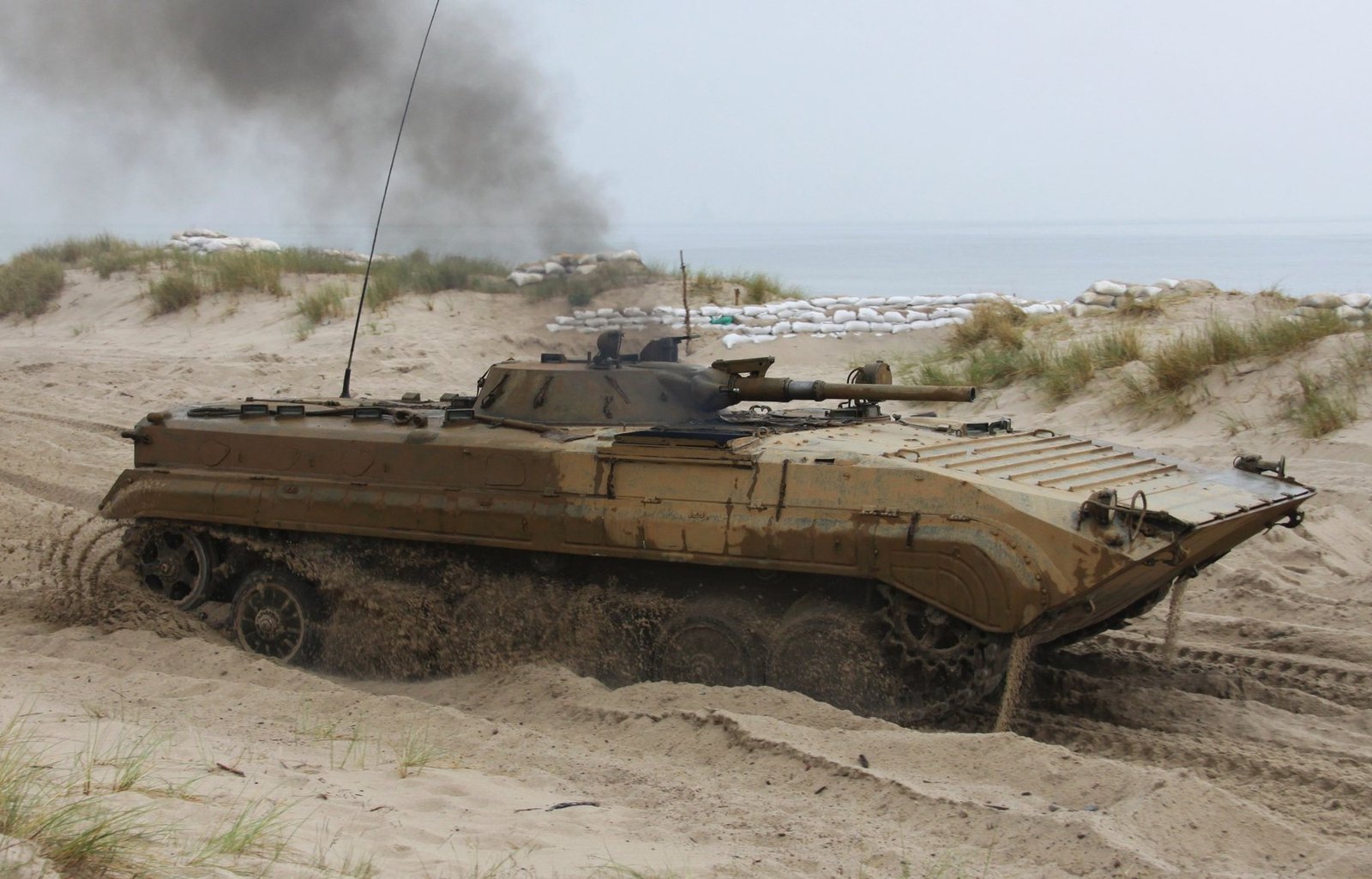
Soviet Union / Cold War
Infantry Fighting Vehicle · Tracked amphibious IFV
The BMP-1 helped establish the modern infantry fighting vehicle by combining squad transport, amphibious mobility, a low-pressure 73 mm gun, and antitank missiles in one tracked vehicle.
Read the profile →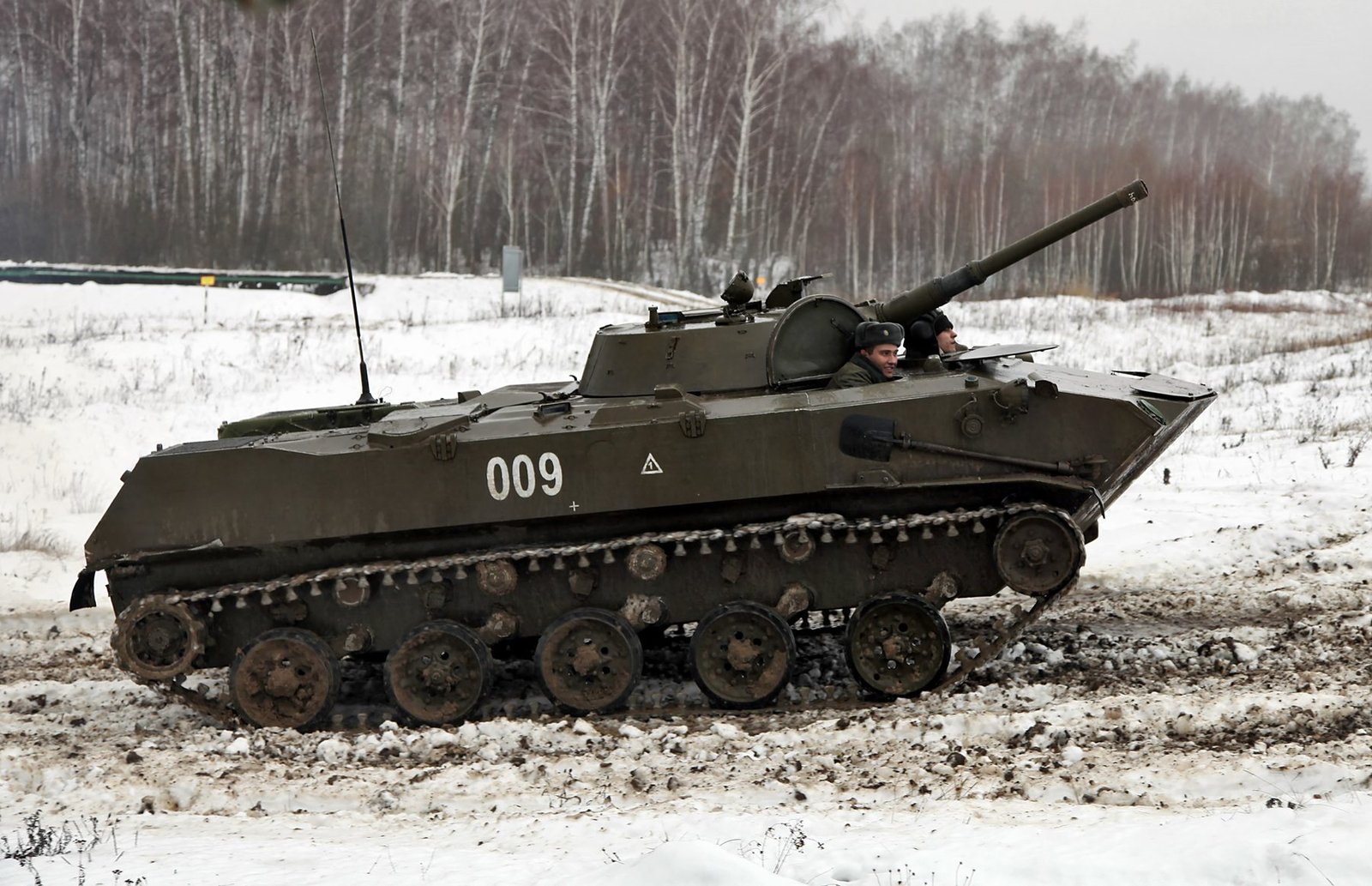
Soviet Union / Russia / Cold War
Infantry Fighting Vehicle · Airborne / amphibious IFV
The BMD-1 and BMD-2 gave Soviet airborne forces a parachute-deliverable tracked fighting vehicle with amphibious mobility and organic direct-fire capability.
Read the profile →
West Germany / Germany / Cold War / Modern
Infantry Fighting Vehicle · Tracked IFV
West Germany’s Marder 1 paired a fast tracked chassis and 20 mm cannon with the protected mobility needed for Panzergrenadiers operating alongside Leopard tanks.
Read the profile →
France / Cold War
Infantry Fighting Vehicle · Tracked amphibious IFV
The AMX-10P gave French mechanized infantry a tracked amphibious fighting vehicle with a 20 mm cannon and a broad family of command and support derivatives.
Read the profile →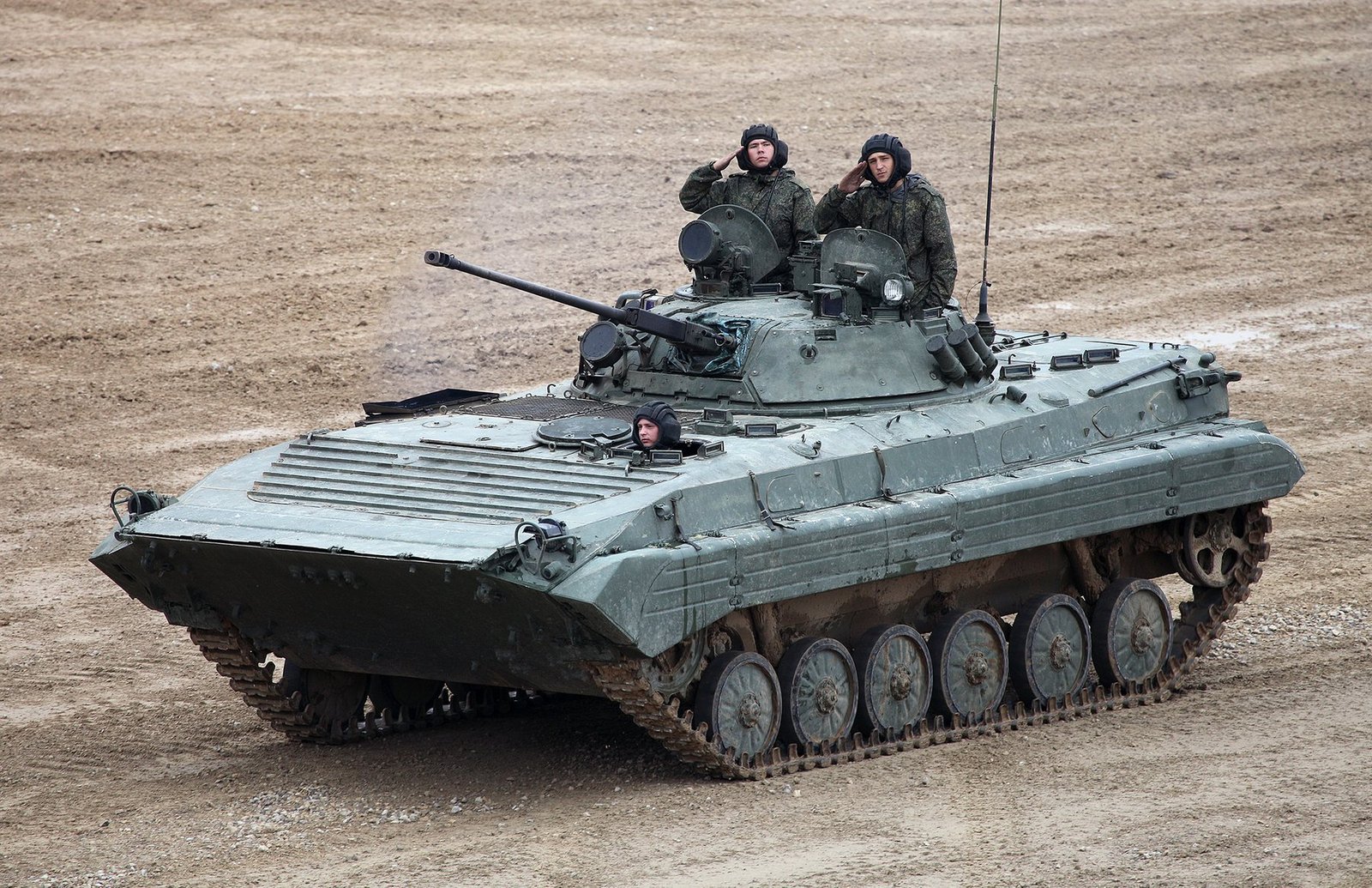
Soviet Union / Russia / Cold War / Modern
Infantry Fighting Vehicle · Tracked amphibious IFV
The BMP-2 revised the Soviet IFV concept around a two-man turret and high-elevation 30 mm autocannon, improving engagement of infantry, helicopters, and targets in broken terrain.
Read the profile →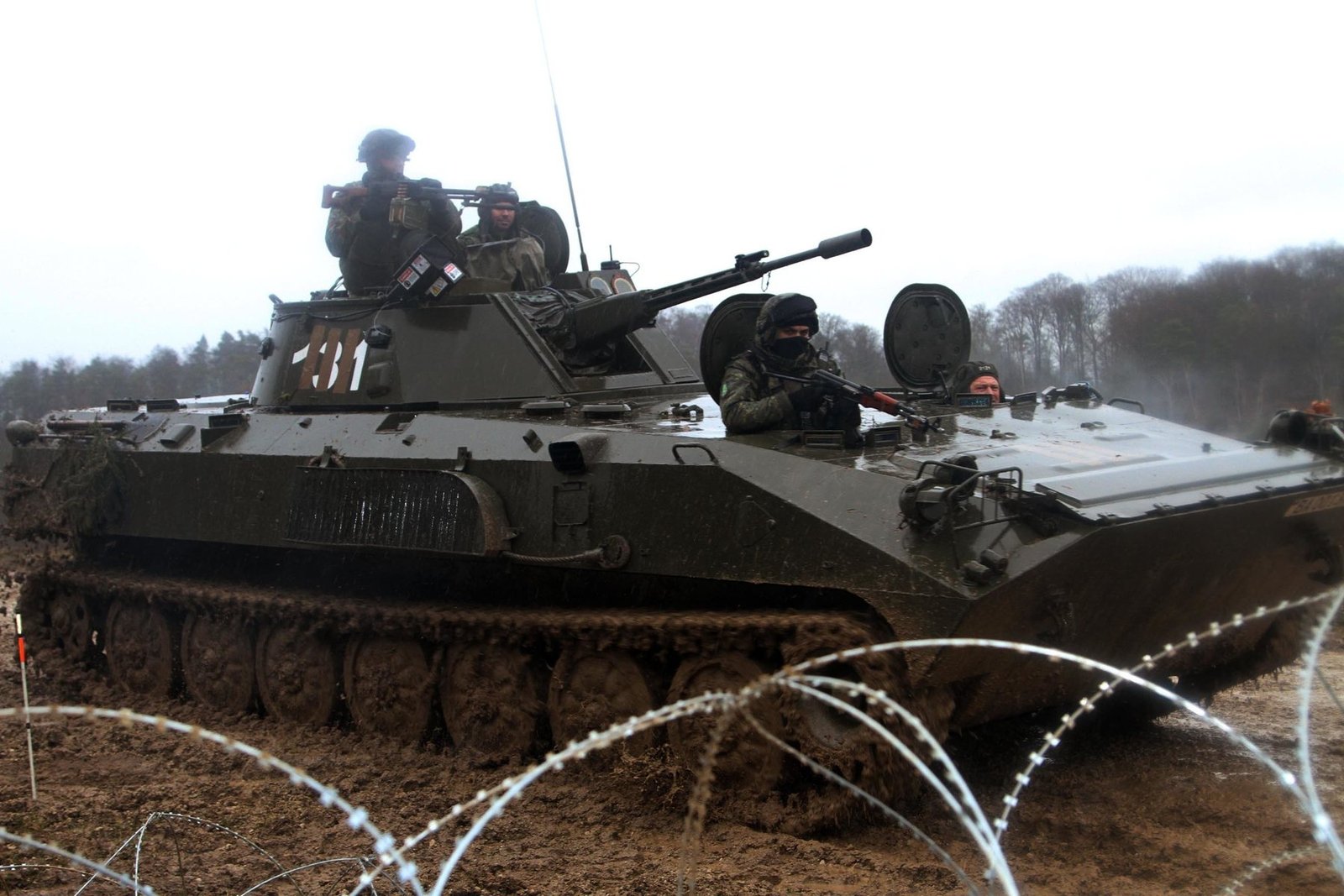
Bulgaria / Cold War
Infantry Fighting Vehicle · Tracked IFV
Bulgaria’s BMP-23 was a national infantry fighting vehicle built around a chassis derived from the 2S1 self-propelled howitzer and armed with a 23 mm automatic cannon.
Read the profile →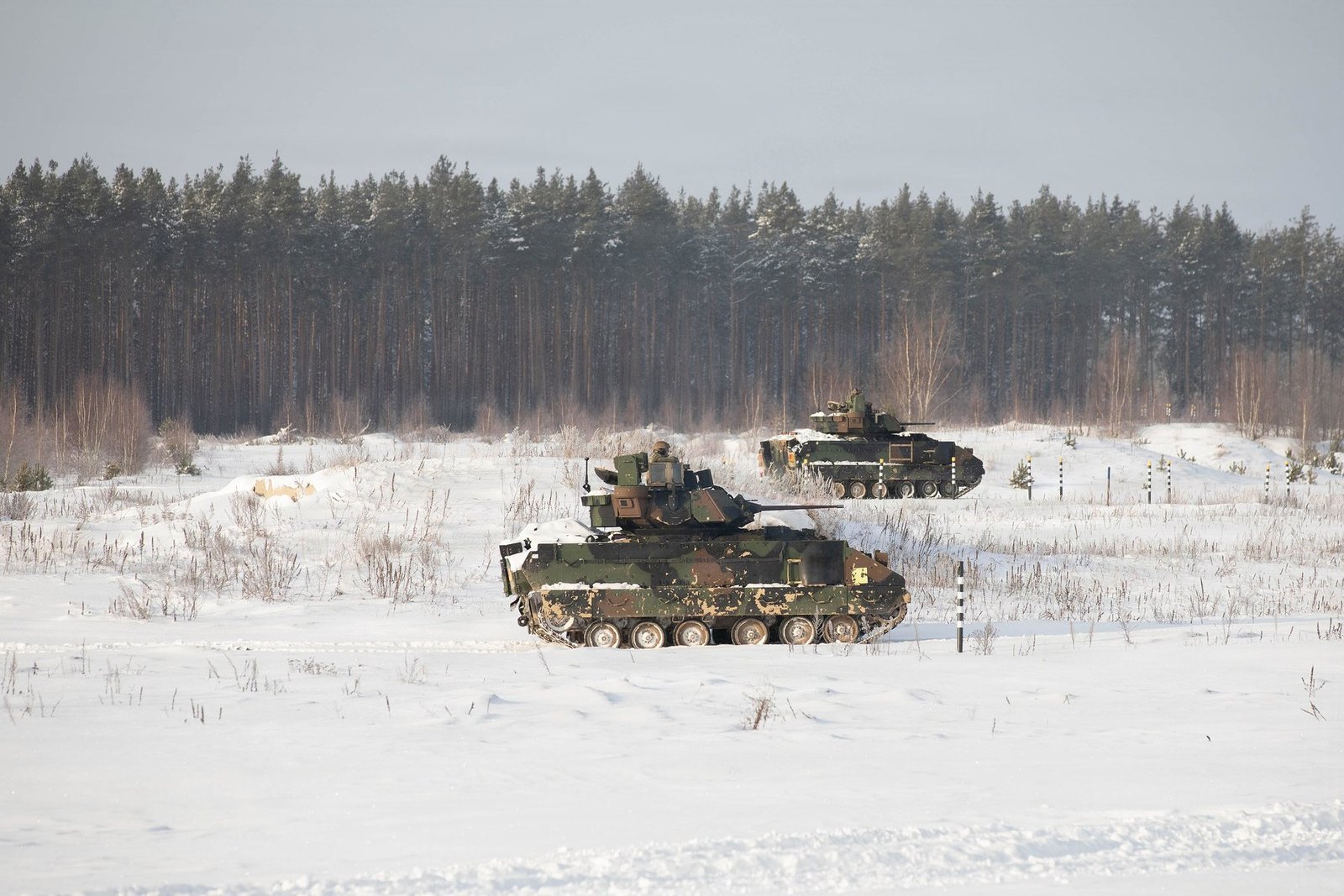
United States / Cold War / Modern
Infantry Fighting Vehicle · Tracked IFV / cavalry fighting vehicle
The Bradley family paired mechanized infantry and cavalry variants with a 25 mm cannon, TOW missiles, tracked mobility, and decades of incremental modernization.
Read the profile →
Romania / Cold War / Modern
Infantry Fighting Vehicle · Tracked IFV
Romania’s MLI-84 developed the BMP-1 concept into a locally produced infantry fighting vehicle and later modernized it with new automotive and weapons systems.
Read the profile →
Soviet Union / Russia / Cold War / Modern
Infantry Fighting Vehicle · Tracked amphibious IFV
The BMP-3 introduced an unusually heavy 100 mm/30 mm weapon combination, rear-mounted engine layout, and amphibious mobility in a new Soviet IFV generation.
Read the profile →
United Kingdom / Cold War / Modern
Infantry Fighting Vehicle · Tracked IFV
The British Warrior family carried armored infantry with a 30 mm RARDEN cannon and the mobility to operate with Challenger tanks through decades of expeditionary combat.
Read the profile →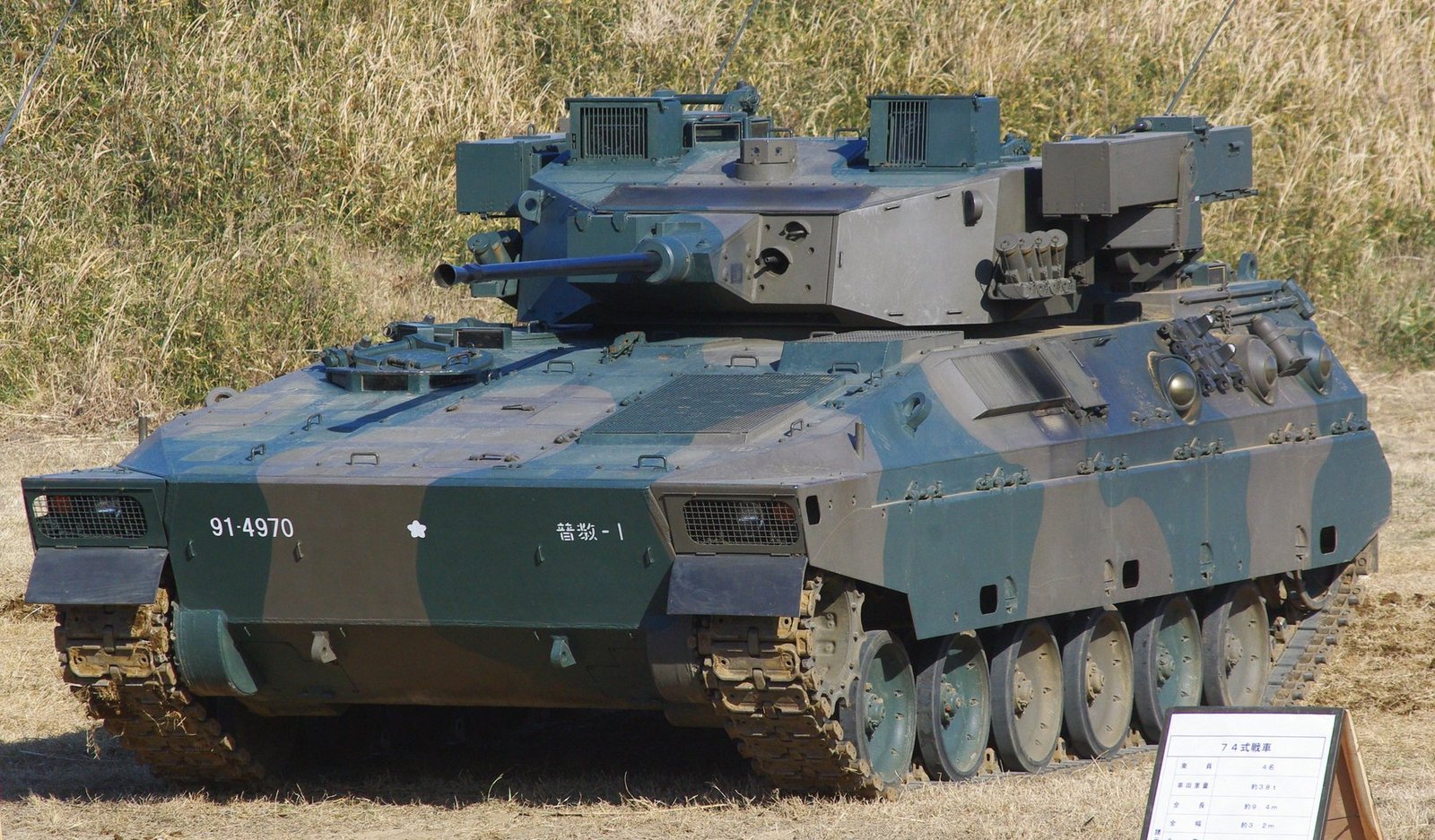
Japan / Cold War / Modern
Infantry Fighting Vehicle · Tracked IFV
Japan’s Type 89 is a tracked infantry fighting vehicle that combines a 35 mm cannon, guided missiles, and protected troop carriage for operations with armored formations.
Read the profile →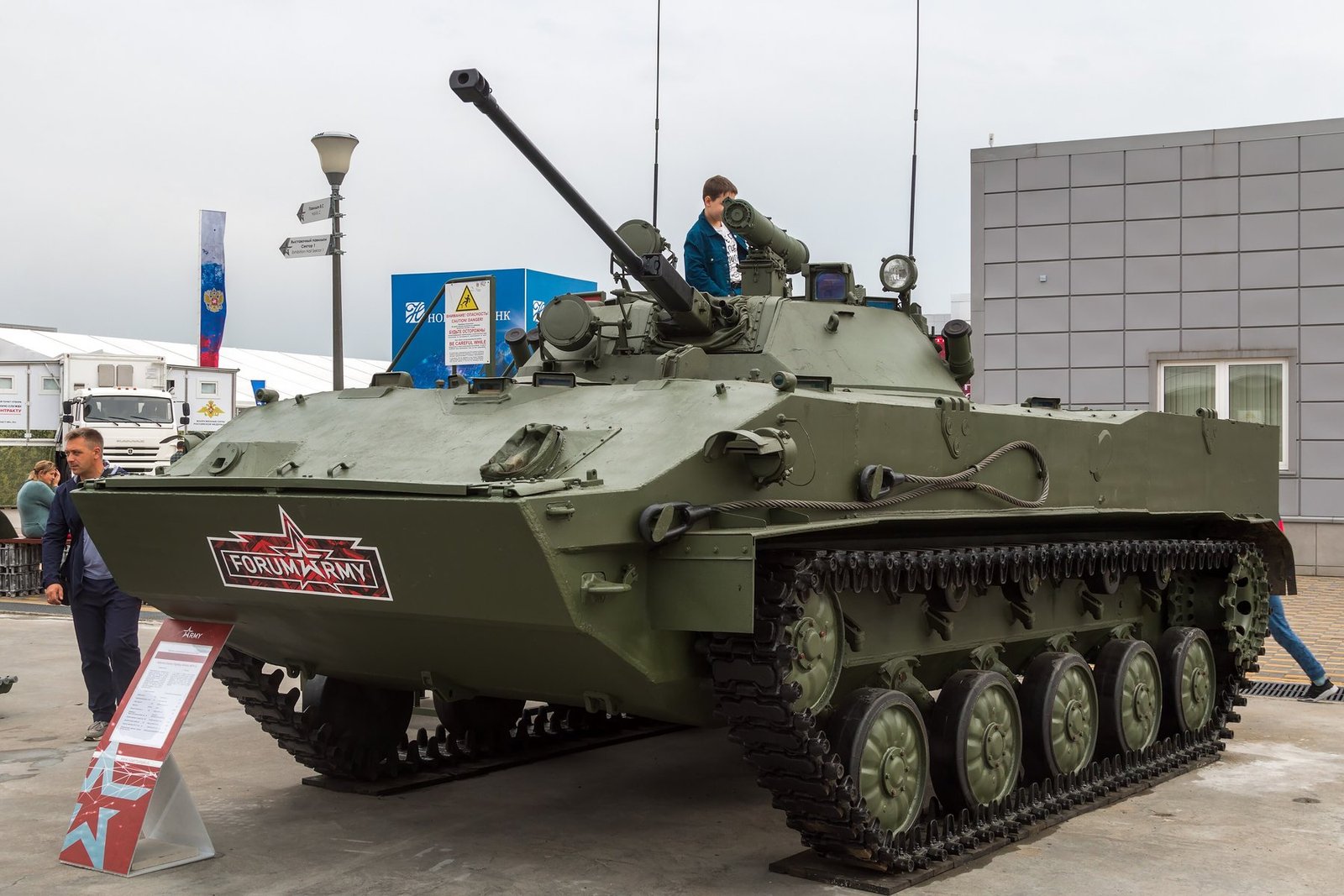
Soviet Union / Russia / Cold War / Modern
Infantry Fighting Vehicle · Airborne / amphibious IFV
The BMD-3 and BMD-4 generations enlarged and modernized Russia’s airborne fighting vehicle concept, culminating in the heavily armed BMD-4M.
Read the profile →
Sweden / Cold War / Modern
Infantry Fighting Vehicle · Tracked IFV
Sweden’s CV90 evolved from a Cold War national requirement into a multinational tracked IFV family with multiple cannon fits, strong mobility, and an extensive growth path.
Read the profile →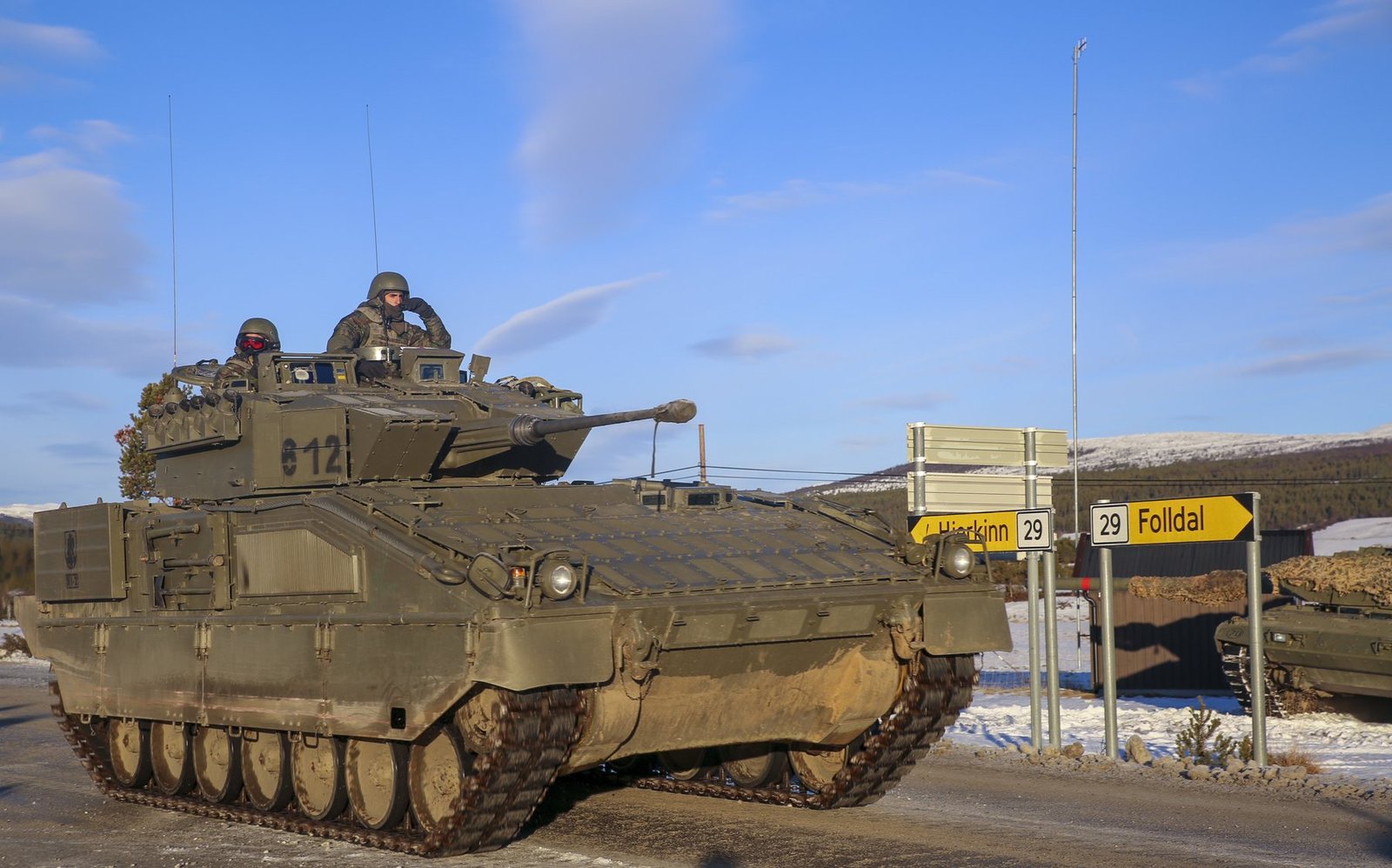
Austria / Spain / Modern
Infantry Fighting Vehicle · Tracked IFV
The Austrian-Spanish ASCOD family entered series production in the 1990s as Ulan and Pizarro and later became the basis for a wider modular tracked-vehicle family.
Read the profile →
Singapore / Modern
Infantry Fighting Vehicle · Tracked IFV
Singapore’s Bionix family was an indigenous tracked fighting-vehicle program built to replace older M113-based vehicles and give mechanized infantry a modern, compact IFV.
Read the profile →
Italy / Modern
Infantry Fighting Vehicle · Tracked IFV
Italy’s Dardo is a tracked infantry fighting vehicle built to carry heavy infantry with the firepower, mobility, and protection needed to operate alongside tank formations.
Read the profile →
China / Modern
Infantry Fighting Vehicle · Tracked amphibious IFV
China’s ZBD-04 family combines amphibious tracked mobility with a 100 mm gun, 30 mm cannon, and troop compartment, while the ZBD-04A trades some amphibious performance for improved protection.
Read the profile →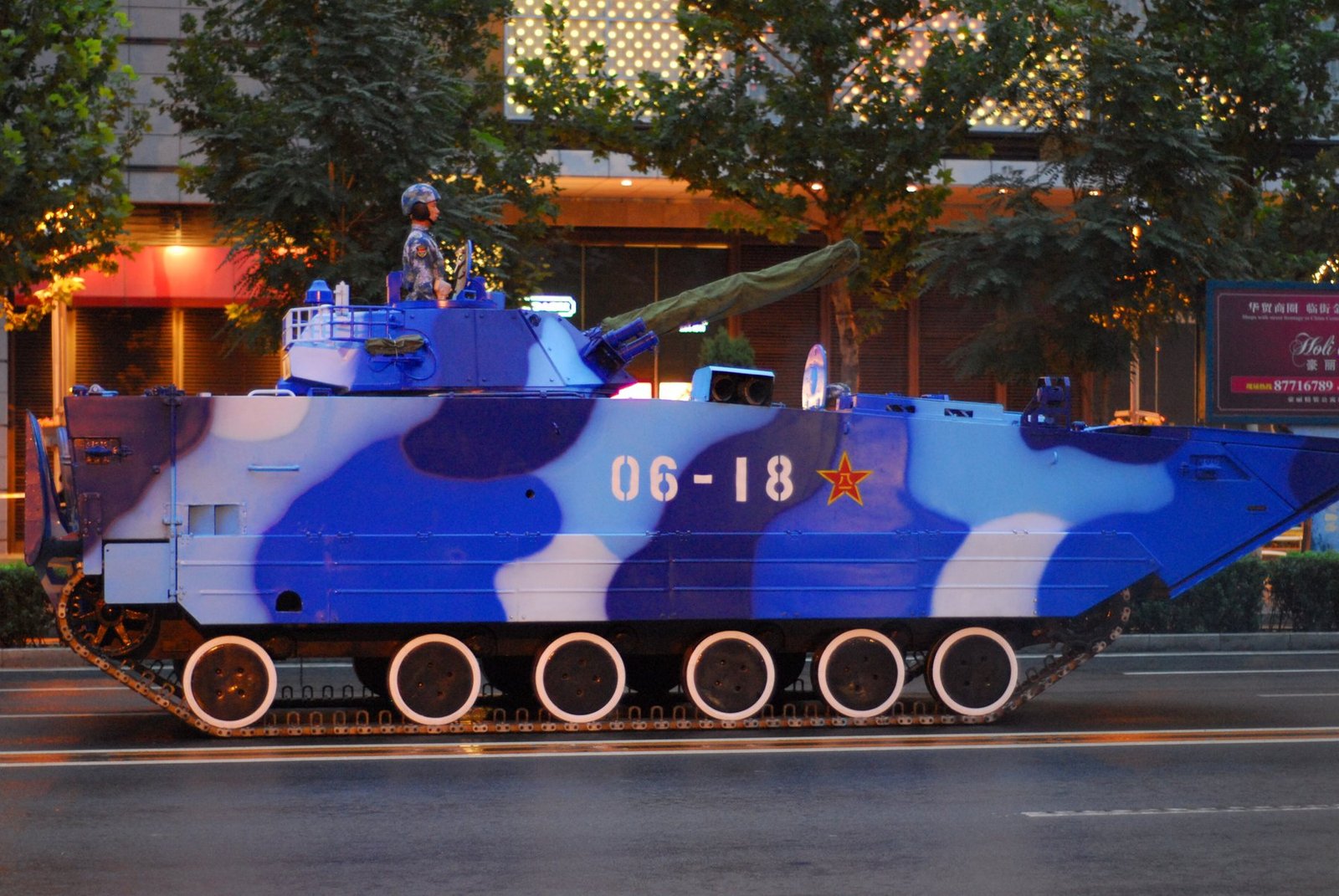
China / Modern
Infantry Fighting Vehicle · Tracked high-speed amphibious IFV
The ZBD-05 is a Chinese high-speed amphibious IFV optimized for ship-to-shore operations, combining waterjet propulsion, a planing hull concept, and turreted cannon armament.
Read the profile →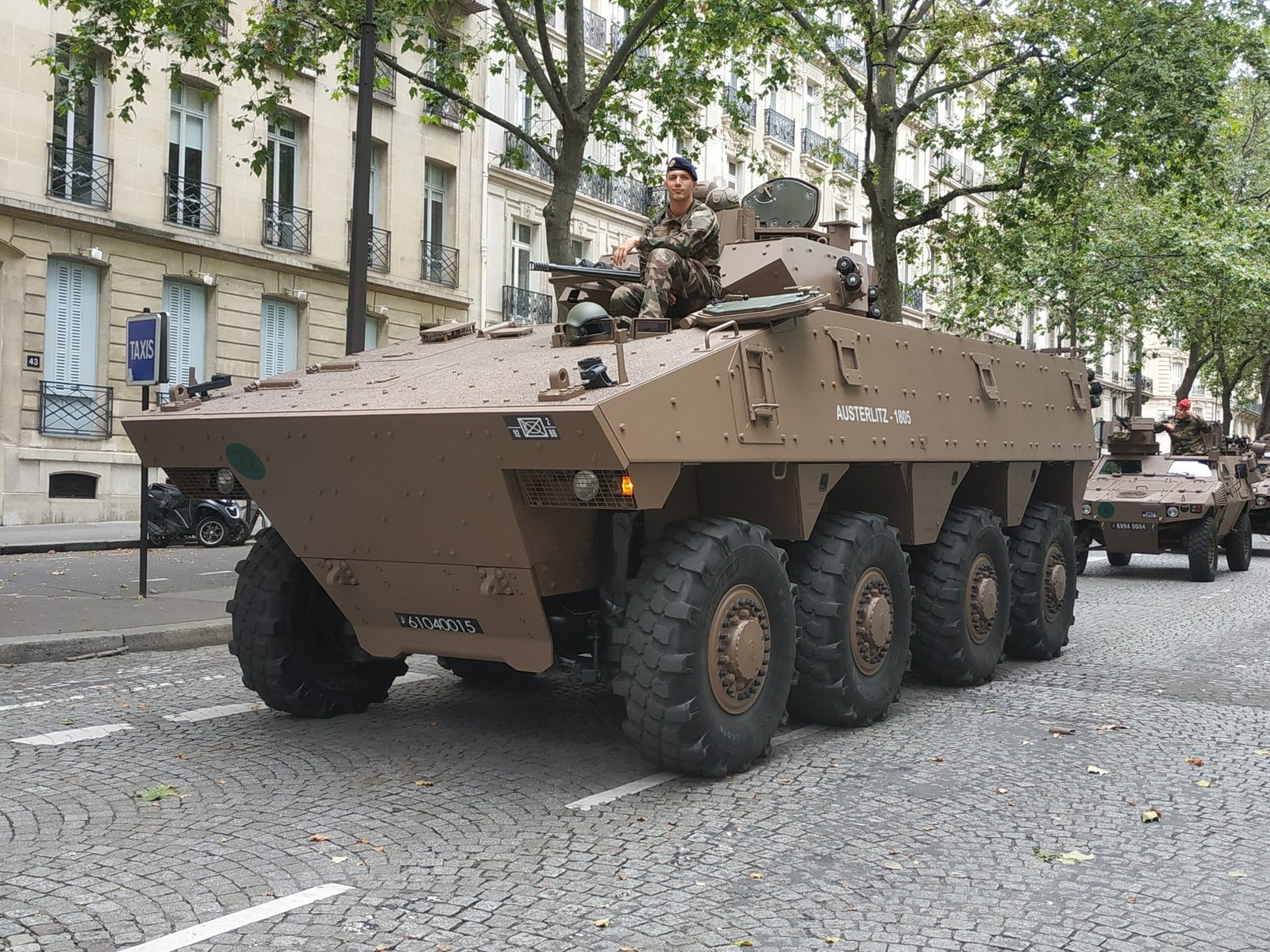
France / Modern
Infantry Fighting Vehicle · Wheeled IFV
France’s VBCI is an 8x8 armored infantry combat vehicle designed to transport and protect a combat group while providing 25 mm cannon fire in armored formations.
Read the profile →
Italy / Modern
Infantry Fighting Vehicle · Wheeled IFV
Freccia is Italy’s digital 8x8 infantry fighting vehicle, derived from the Centauro automotive family and optimized for medium-force mobility and protected infantry transport.
Read the profile →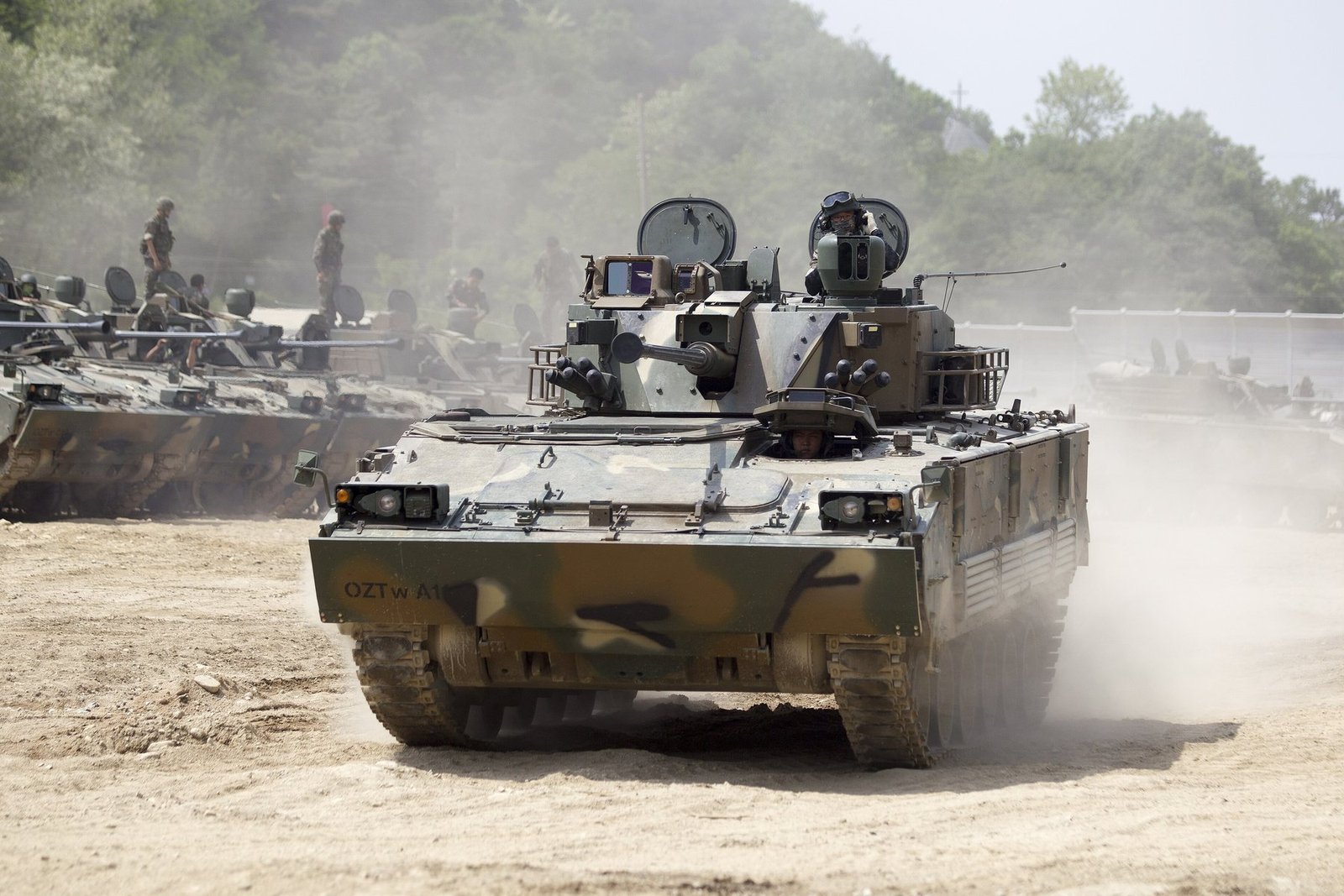
South Korea / Modern
Infantry Fighting Vehicle · Tracked amphibious IFV
South Korea’s K21 combines amphibious mobility, a 40 mm cannon, modern fire control, and a light composite hull as the successor to K200-series infantry carriers.
Read the profile →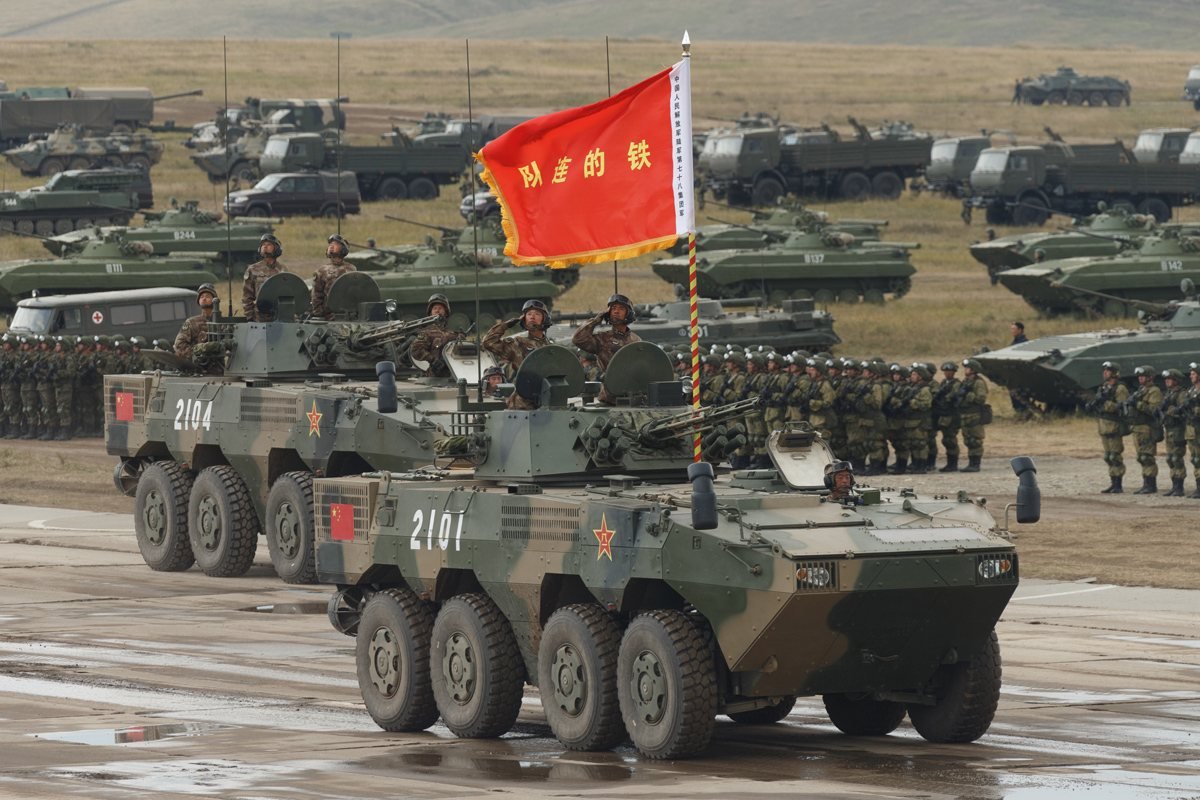
China / Modern
Infantry Fighting Vehicle · Wheeled amphibious IFV
The ZBL-08 is the infantry fighting variant of China’s modular Type 08 8x8 armored-vehicle family, pairing wheeled mobility with a 30 mm turret and amphibious capability.
Read the profile →Türkiye / Modern
Infantry Fighting Vehicle · Tracked modular IFV
Otokar’s TULPAR is a modular tracked armored platform designed to support infantry fighting, direct-fire, recovery, mortar, air-defense, and other mission configurations.
Read the profile →Türkiye / Modern
Infantry Fighting Vehicle · Tracked modular IFV
FNSS’s KAPLAN-20 and KAPLAN-30 are related next-generation tracked armored fighting vehicles designed around modular protection, modern electronics, and configurable weapon systems.
Read the profile →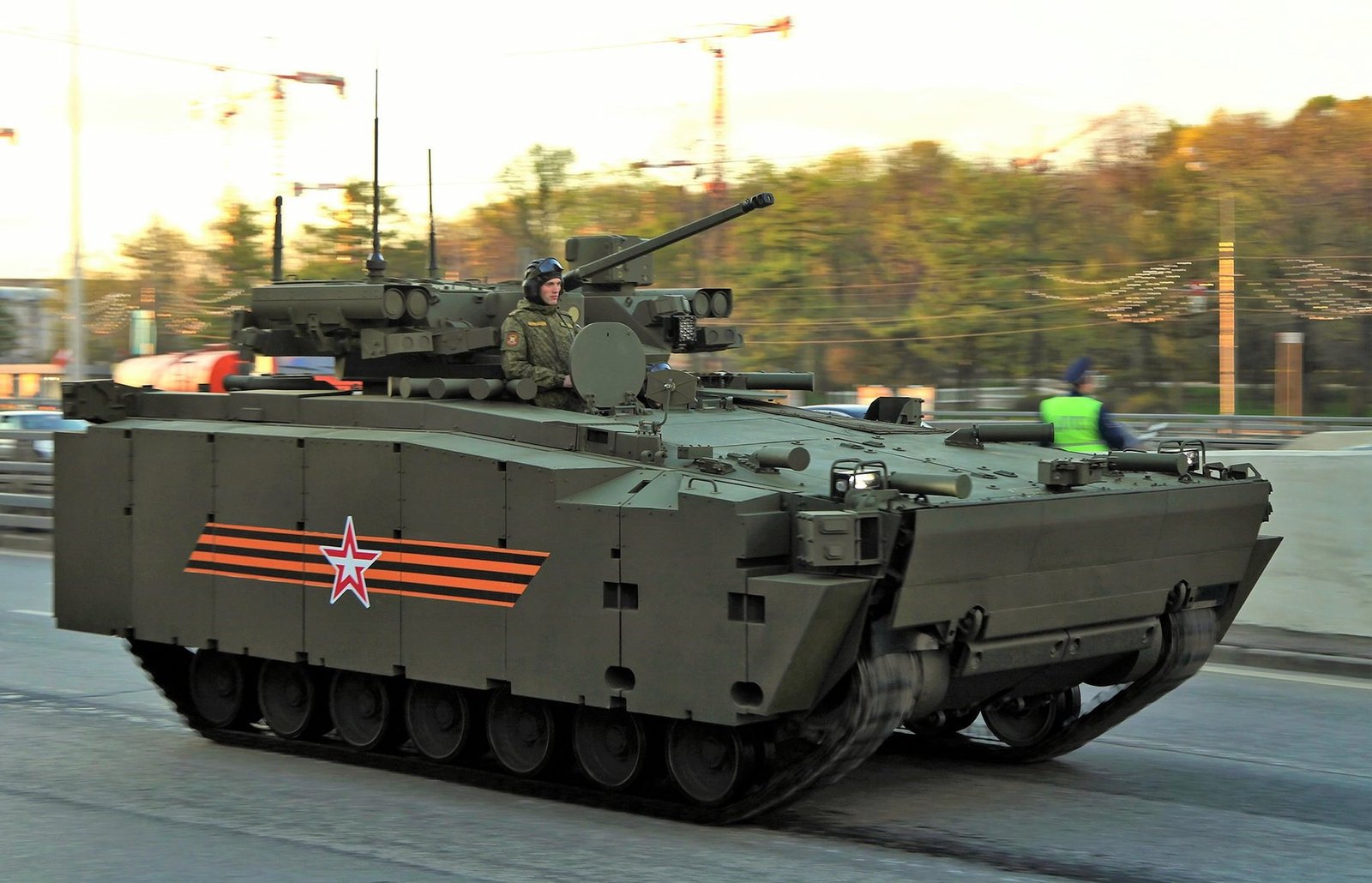
Russia / Modern
Infantry Fighting Vehicle · Tracked amphibious IFV
Kurganets-25 is Russia’s modular medium tracked combat-vehicle program intended to provide a more protected and spacious successor path for older BMP-family vehicles.
Read the profile →
Germany / Modern
Infantry Fighting Vehicle · Tracked IFV
Germany’s Puma uses a compact crewed hull, remote 30 mm turret, modular protection, and digital networking to replace the long-serving Marder in Panzergrenadier units.
Read the profile →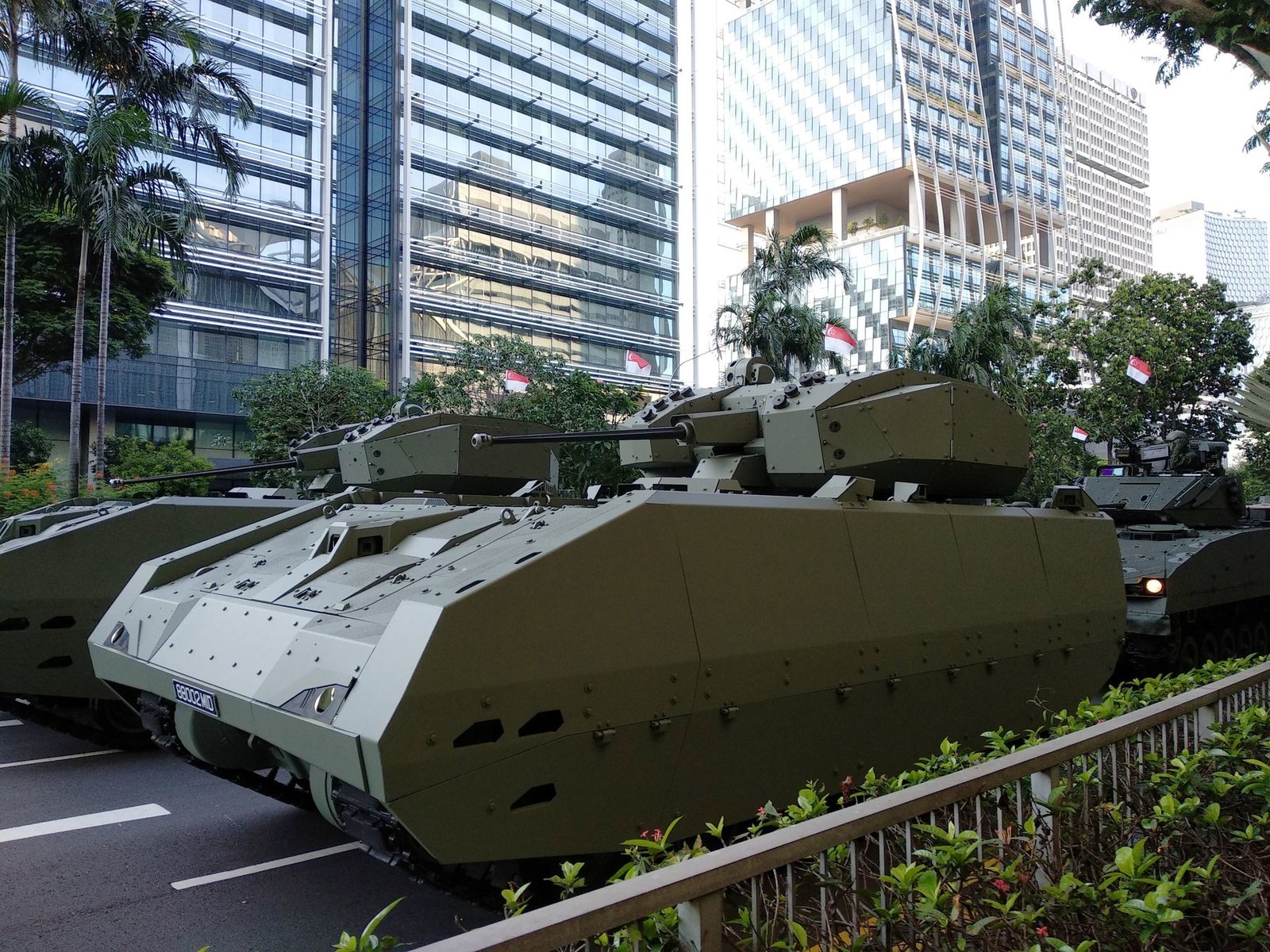
Singapore / Modern
Infantry Fighting Vehicle · Tracked digital IFV
The Hunter is Singapore’s fully digitalized next-generation tracked fighting vehicle, combining a 30 mm cannon, networked sensors, protected troop carriage, and modern vehicle-management systems.
Read the profile →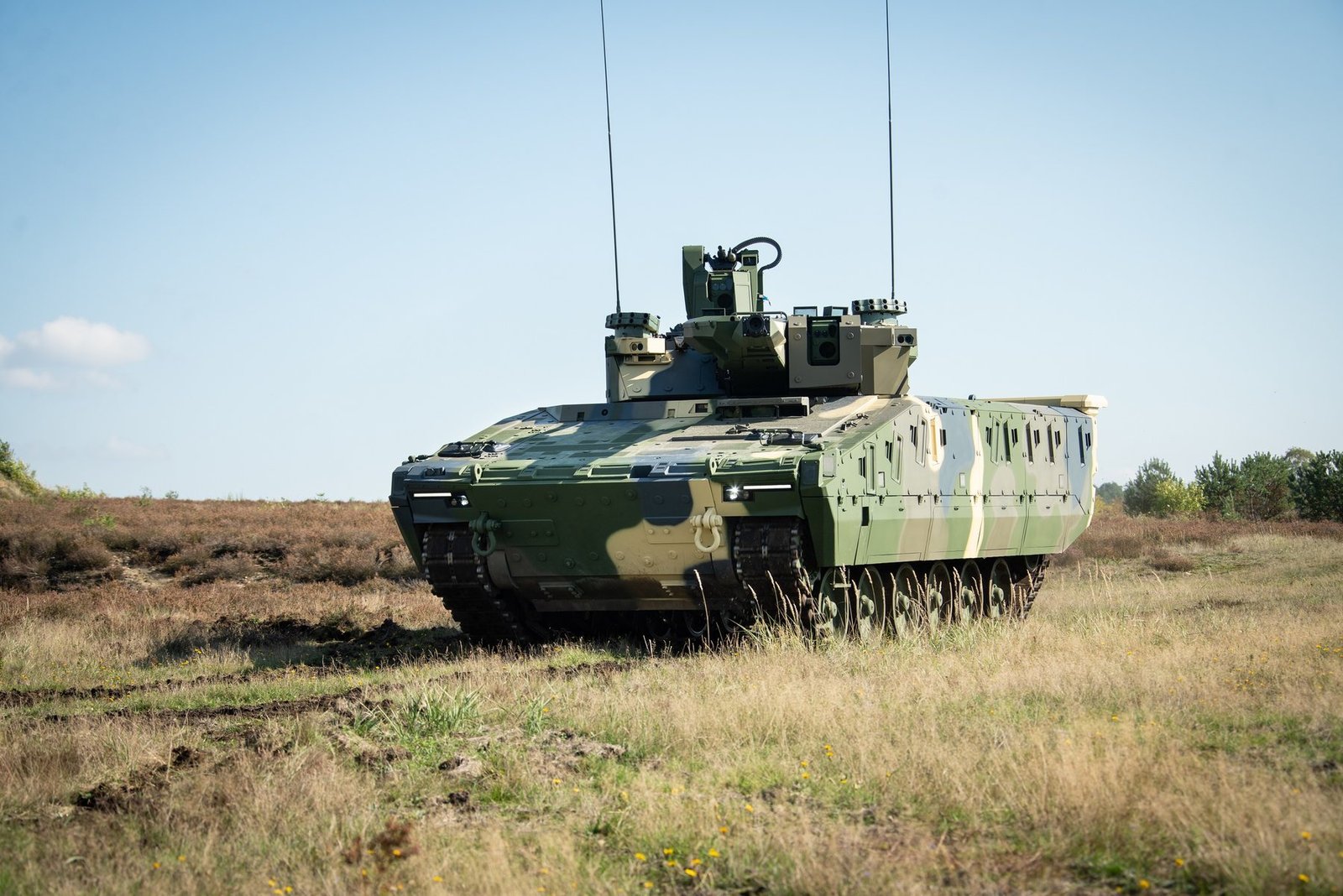
Germany / Modern
Infantry Fighting Vehicle · Tracked modular IFV
Rheinmetall’s Lynx is a modular next-generation tracked combat-vehicle family centered on IFV configurations and designed for substantial growth, protection, and mission reconfiguration.
Read the profile →