
Development and requirement
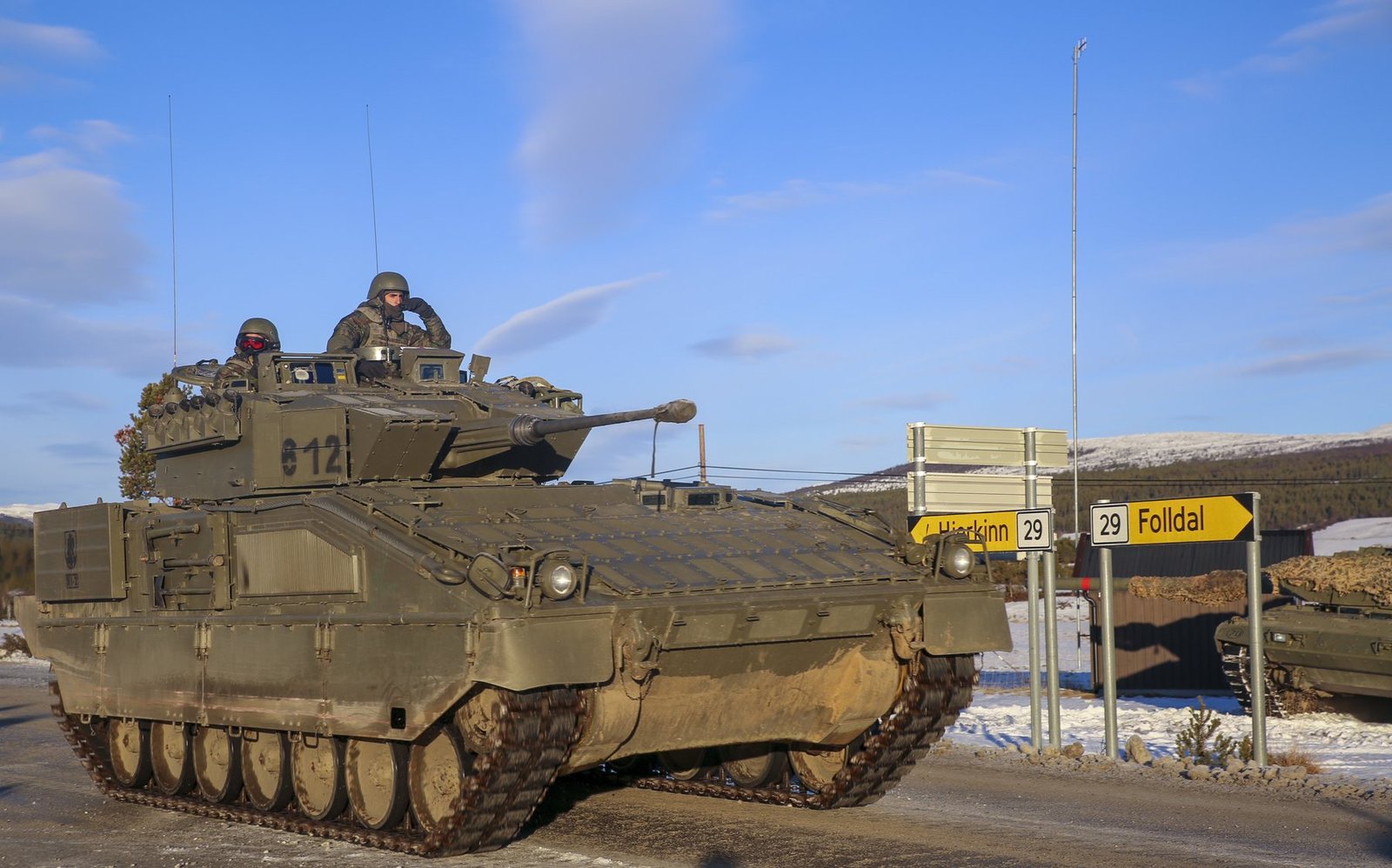
ASCOD emerged from Austrian-Spanish cooperation and entered series production in the mid-1990s. Spain fielded the Pizarro and Austria the Ulan, creating a shared platform with national equipment differences. The program later developed into a broader modular tracked architecture able to support engineering, reconnaissance, direct-fire, and other roles. 1, 2
Design and fighting role
The family uses a conventional front-engine tracked layout with rear troop access and turreted medium-caliber armament on IFV versions. Later ASCOD generations emphasize modular protection, payload growth, active-protection options, and power-pack choices, allowing customers to scale the platform for heavier mission systems without redesigning the whole vehicle. 1, 2
Service and evolution
Pizarro and Ulan became core mechanized-infantry vehicles in their respective armies. The chassis family later expanded into vehicles such as the British Ajax program and direct-fire configurations. That evolution makes ASCOD a useful example of how an IFV program can become a general armored-platform architecture. 1, 2
Archive boundaries
The archive keeps the troop-carrying Ulan/Pizarro branch here. The existing ASCOD light-tank/direct-fire profile is cross-linked but remains in the direct-fire category because a large gun and different mission change the vehicle’s battlefield role. 1
Sources and further reading
Representative source set used for this profile. Primary image source and reuse terms are listed with the image.
- General Dynamics European Land Systems — ASCOD
- General Dynamics European Land Systems — company heritage / ASCOD history