
Russian Empire / United Kingdom / World War I
Armored Reconnaissance / Armored Car · Armored car
Designed in Britain for Russian requirements, the twin-turret Austin family became one of Imperial Russia’s characteristic First World War armored cars and later received important Russian-built modifications.
Read the profile →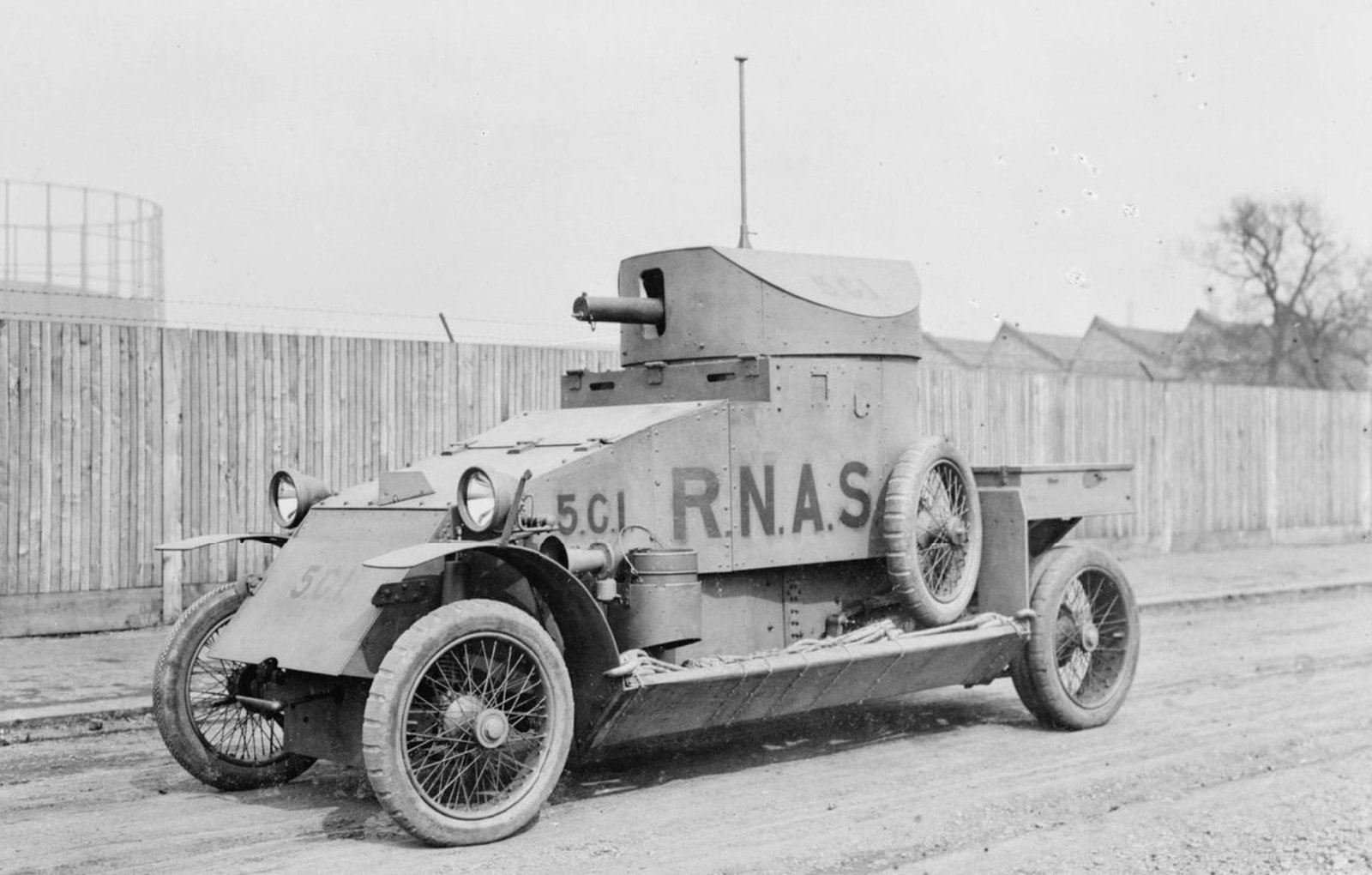
United Kingdom / World War I
Armored Reconnaissance / Armored Car · Armored car
The First World War Lanchester was a turreted British armored car built from the Sporting Forty chassis and used by Royal Naval Air Service units before later service with allied forces.
Read the profile →
United Kingdom / World War I
Armored Reconnaissance / Armored Car · Armored car
A luxury-car chassis became one of Britain’s most durable early armored-car families, serving from the First World War into the interwar imperial campaigns and Second World War security duties.
Read the profile →
Germany / World War I
Armored Reconnaissance / Armored Car · Armored car
Germany’s Ehrhardt armored cars were heavy First World War reconnaissance vehicles whose later production versions also became important internal-security vehicles after the fighting ended.
Read the profile →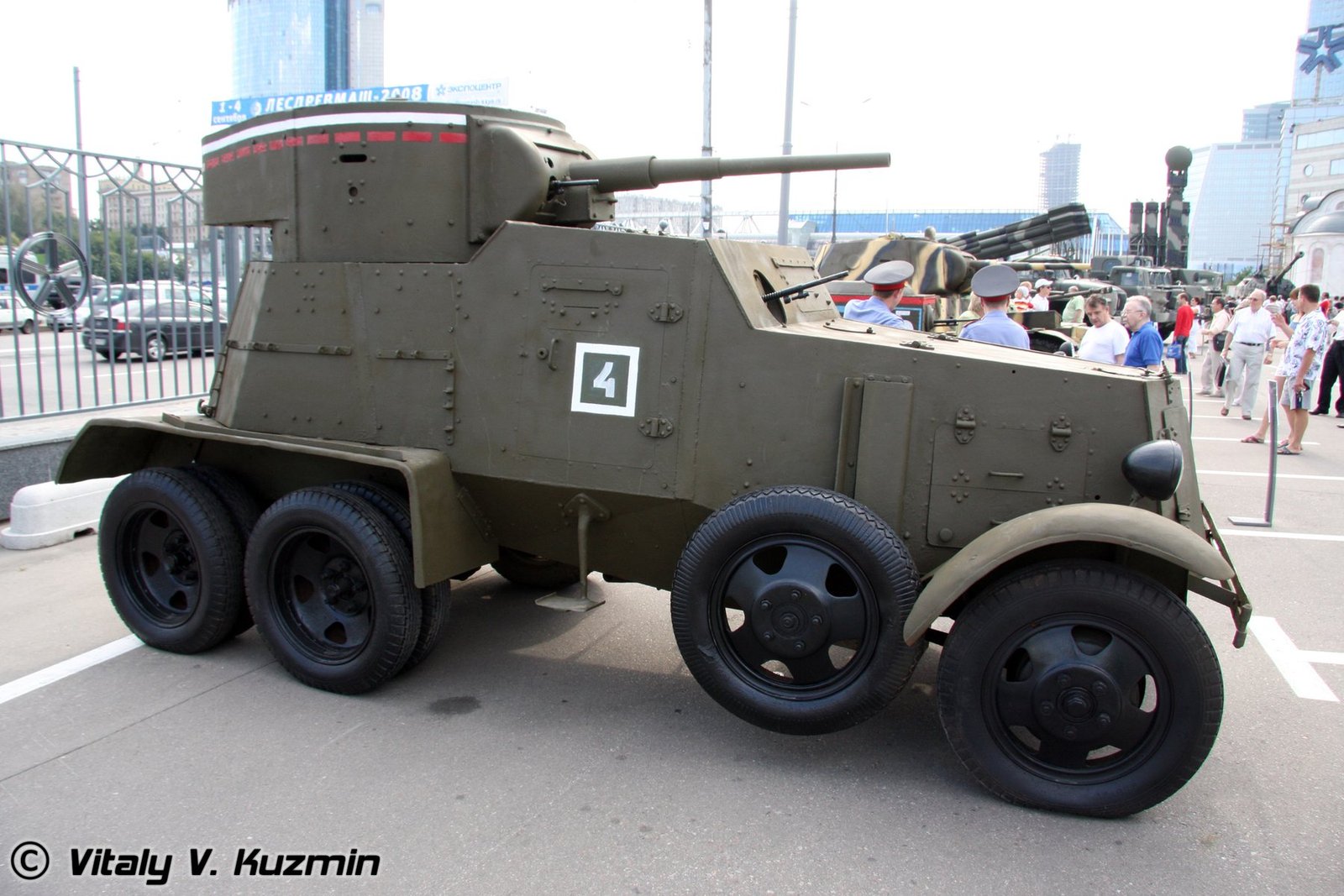
Soviet Union / Interwar / World War II
Armored Reconnaissance / Armored Car · Armored car
The Soviet BA-3 and BA-6 placed a tank-style 45 mm turret on a 6×4 truck-derived armored chassis, producing unusually heavy firepower for an interwar armored car.
Read the profile →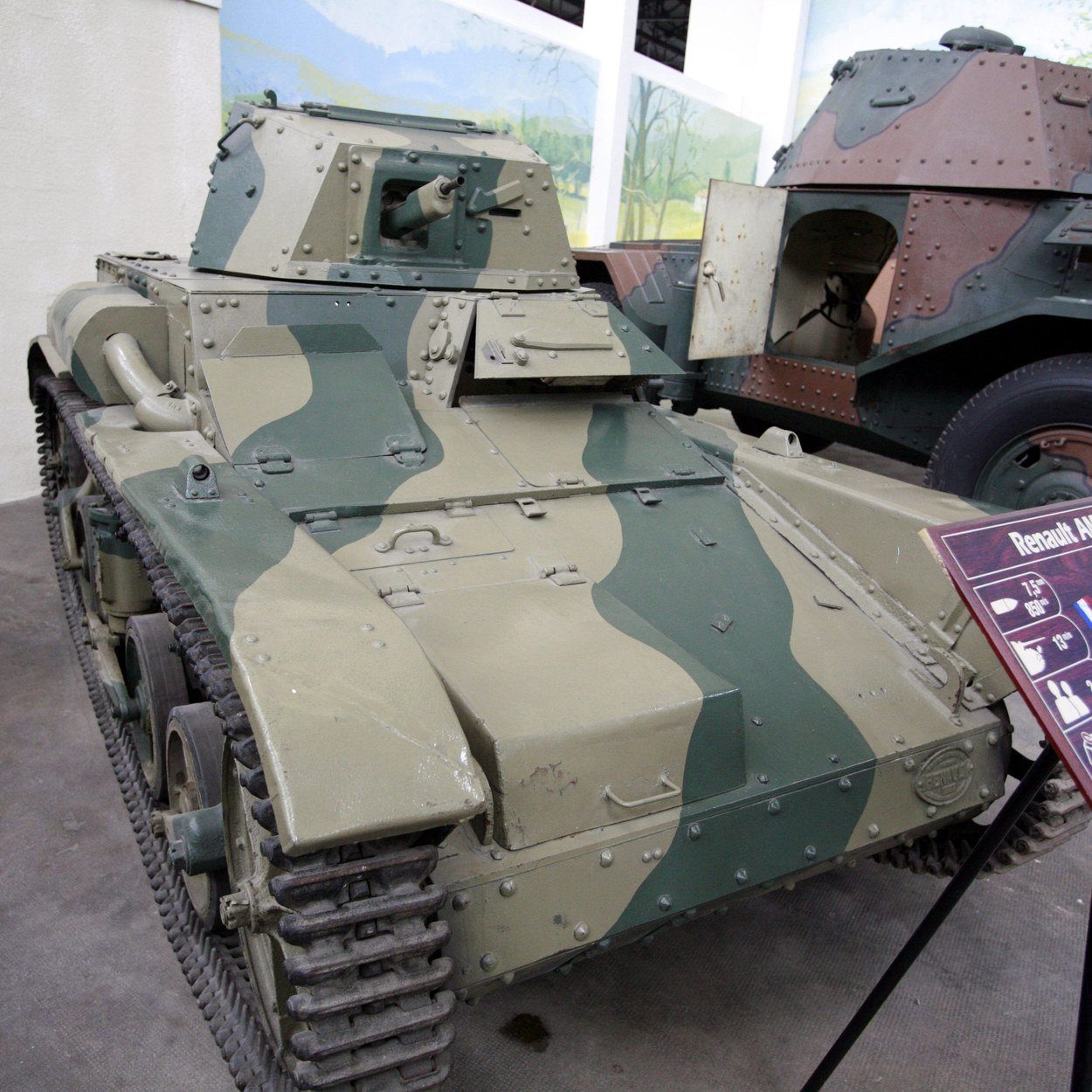
France / Interwar
Armored Reconnaissance / Armored Car · Tracked reconnaissance vehicle
The Renault AMR 33 was a small tracked reconnaissance vehicle developed for French cavalry formations.
Read the profile →
France / Interwar
Armored Reconnaissance / Armored Car · Tracked reconnaissance vehicle
The Renault AMR 35 was a small armored reconnaissance vehicle developed for the French Cavalry.
Read the profile →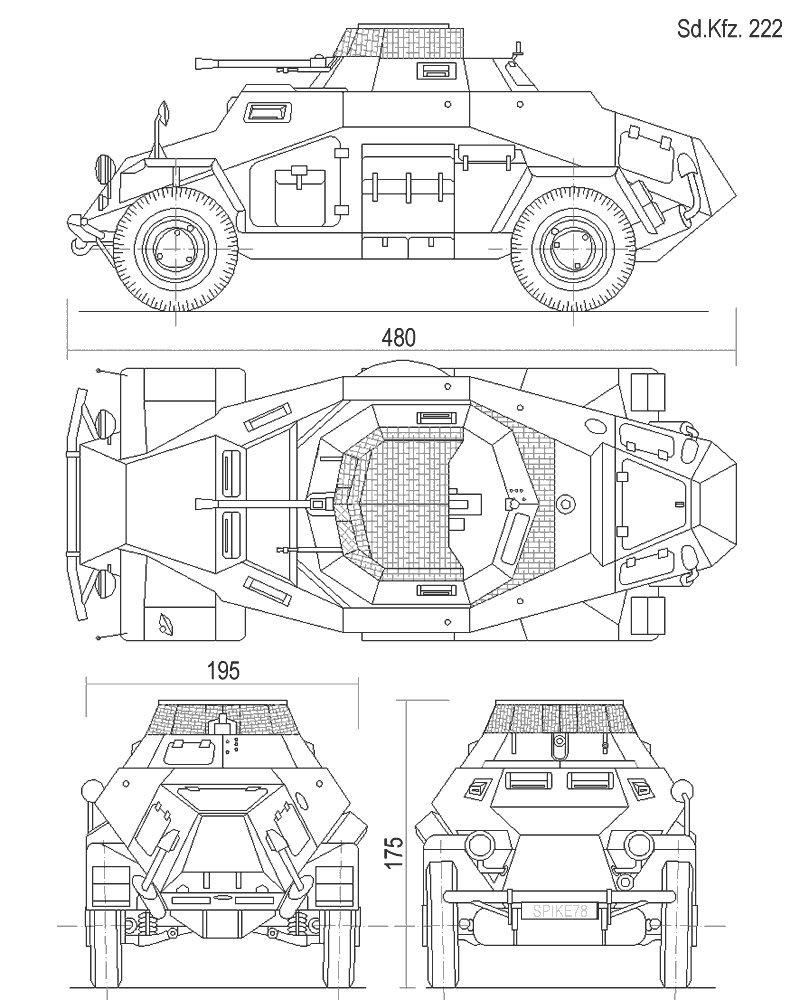
Germany / World War II
Armored Reconnaissance / Armored Car · Armored car
Germany’s light four-wheeled reconnaissance-car family combined compact armored hulls with machine-gun, autocannon, and radio-command variants for early-war reconnaissance units.
Read the profile →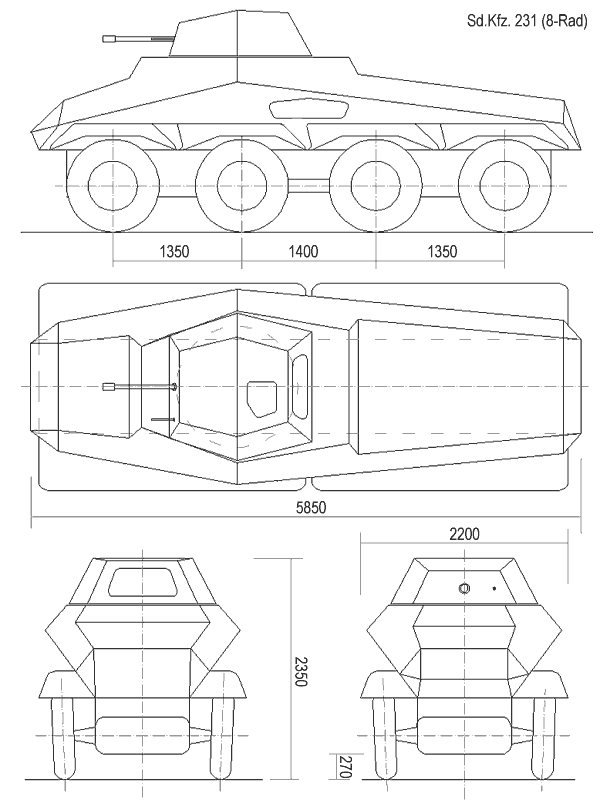
Germany / World War II
Armored Reconnaissance / Armored Car · Armored car
Germany’s early eight-wheeled heavy armored cars combined high road speed, all-wheel steering, dual driving positions, and radio or fire-support variants for long-range reconnaissance.
Read the profile →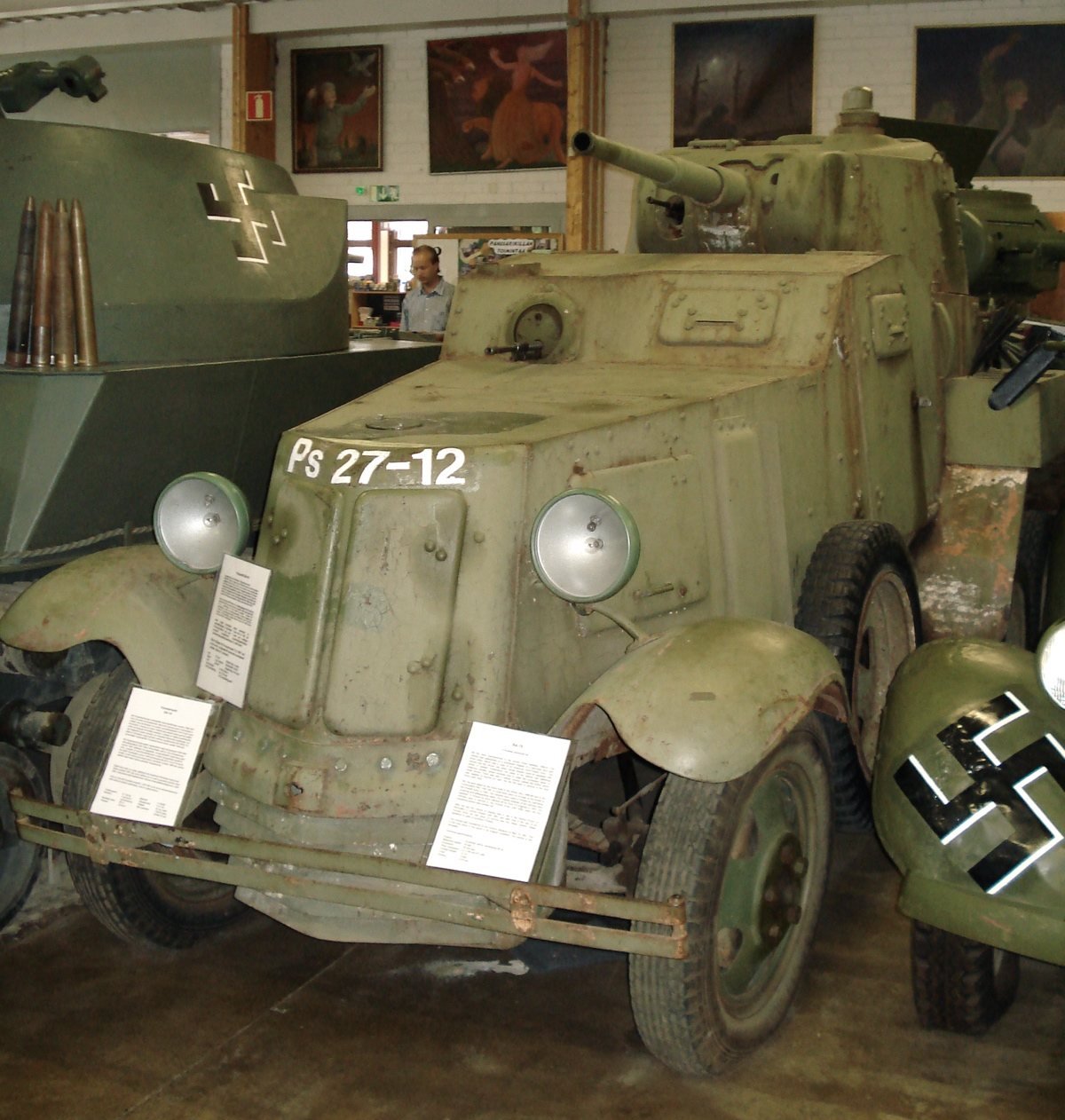
Soviet Union / World War II
Armored Reconnaissance / Armored Car · Armored car
The BA-10 refined the Soviet 6×4 heavy armored-car formula with better-shaped armor while retaining the 45 mm gun and the ability to fit auxiliary tracks over the rear wheels.
Read the profile →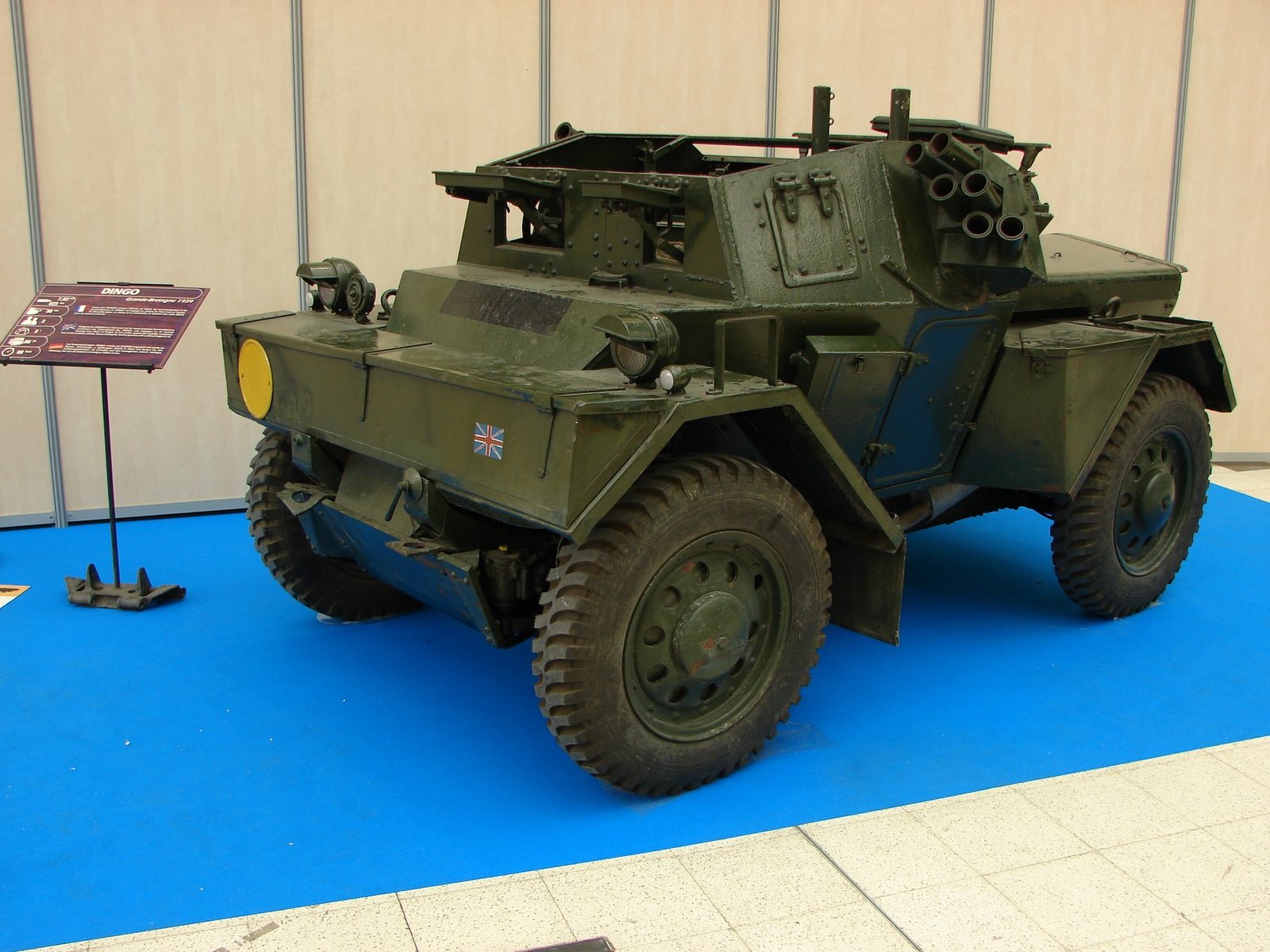
United Kingdom / World War II
Armored Reconnaissance / Armored Car · Wheeled reconnaissance vehicle
The compact Dingo combined a low silhouette, four-wheel drive, independent suspension, and a reversible transmission to become one of Britain’s most successful Second World War scout cars.
Read the profile →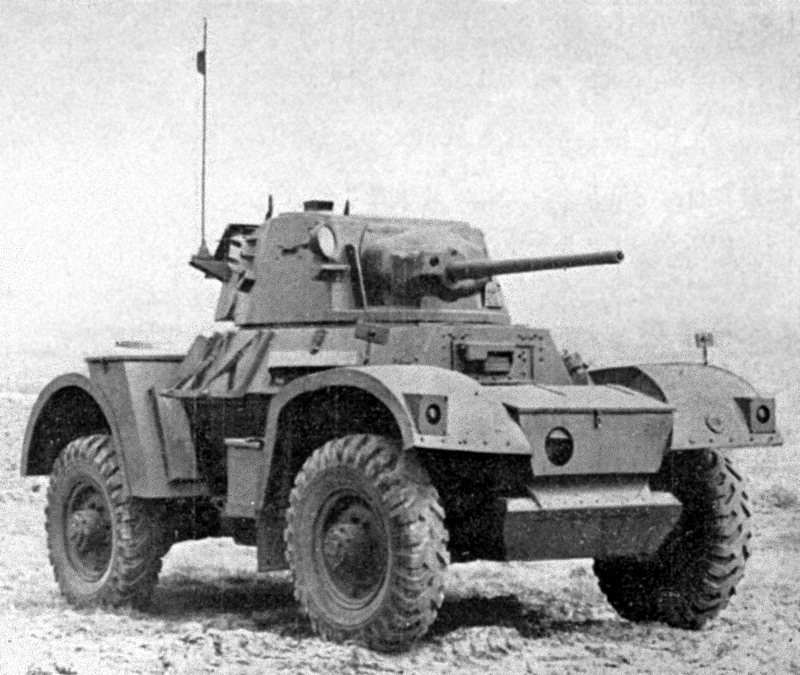
United Kingdom / World War II
Armored Reconnaissance / Armored Car · Wheeled reconnaissance vehicle
The Daimler Armoured Car enlarged the company’s successful scout-car engineering into a turreted 4×4 reconnaissance vehicle armed with the British 2-pounder gun.
Read the profile →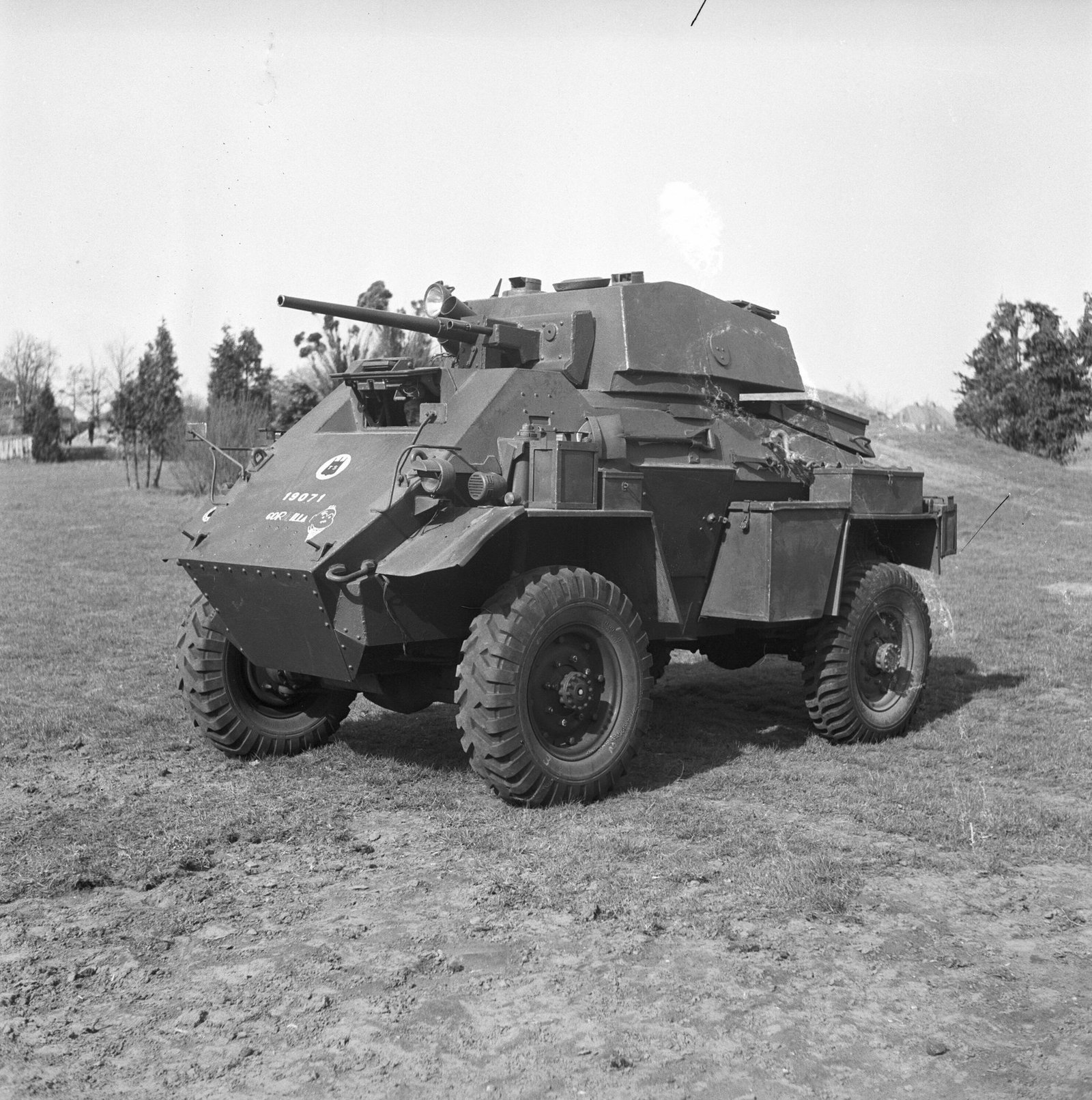
United Kingdom / World War II
Armored Reconnaissance / Armored Car · Wheeled reconnaissance vehicle
The Humber family became one of Britain’s principal wartime armored cars, moving reconnaissance units from early light designs toward a reliable, mass-produced 4×4 platform.
Read the profile →
United Kingdom / World War II
Armored Reconnaissance / Armored Car · Wheeled reconnaissance vehicle
The AEC Armoured Car was unusually heavy for a reconnaissance vehicle, combining a truck-derived chassis with tank-level guns that grew from 2-pounder to 6-pounder and 75 mm armament.
Read the profile →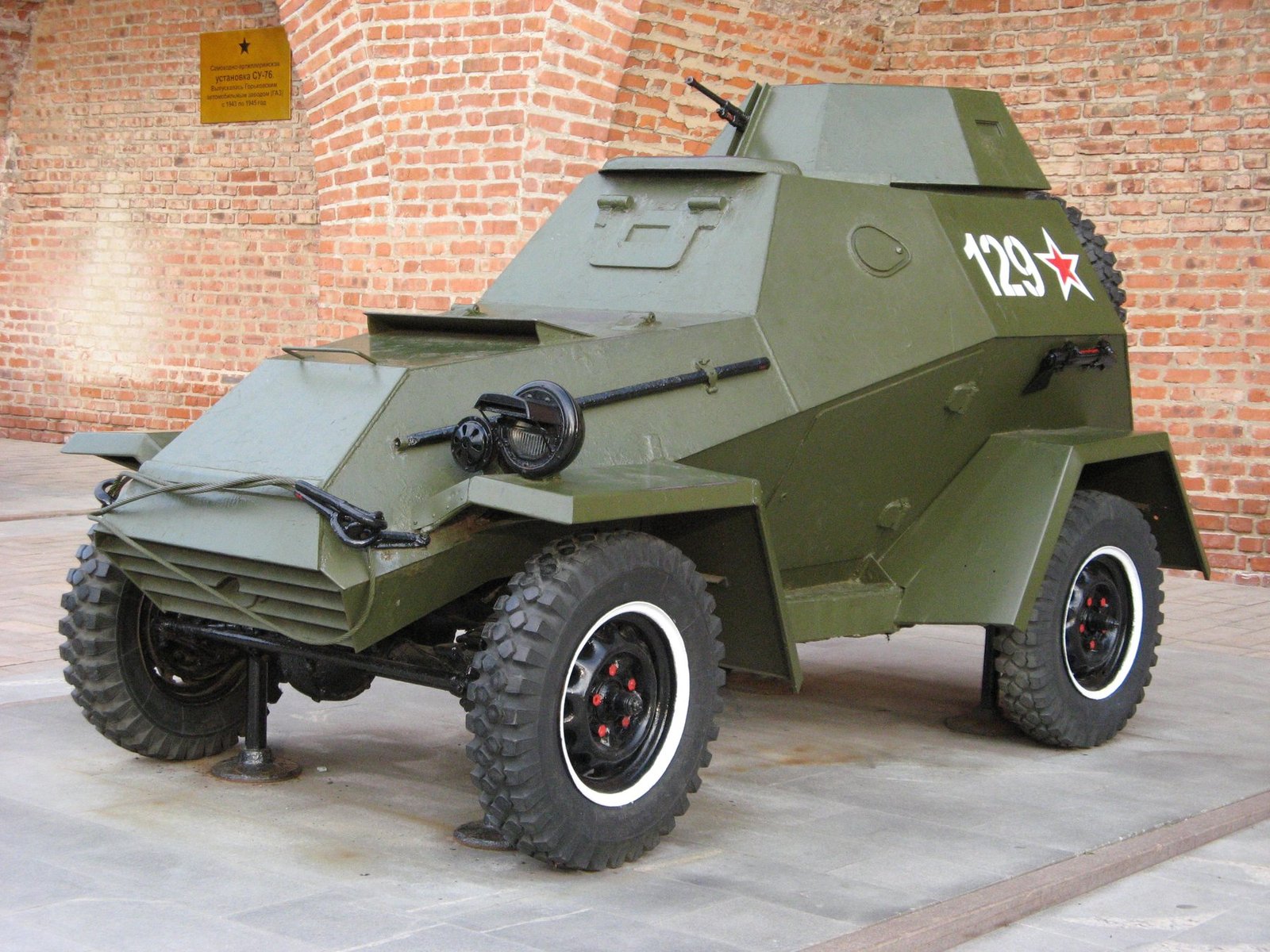
Soviet Union / World War II
Armored Reconnaissance / Armored Car · Armored car
The compact 4×4 BA-64 replaced the Soviet Union’s heavy prewar armored cars with a much lighter scout vehicle based on GAZ automotive components and optimized for wartime mass production.
Read the profile →
United States / United Kingdom / World War II
Armored Reconnaissance / Armored Car · Armored car
Designed in the United States but used mainly by British and Commonwealth forces, the large twin-engine Staghound combined a 37 mm gun with exceptional automotive redundancy and long-range road performance.
Read the profile →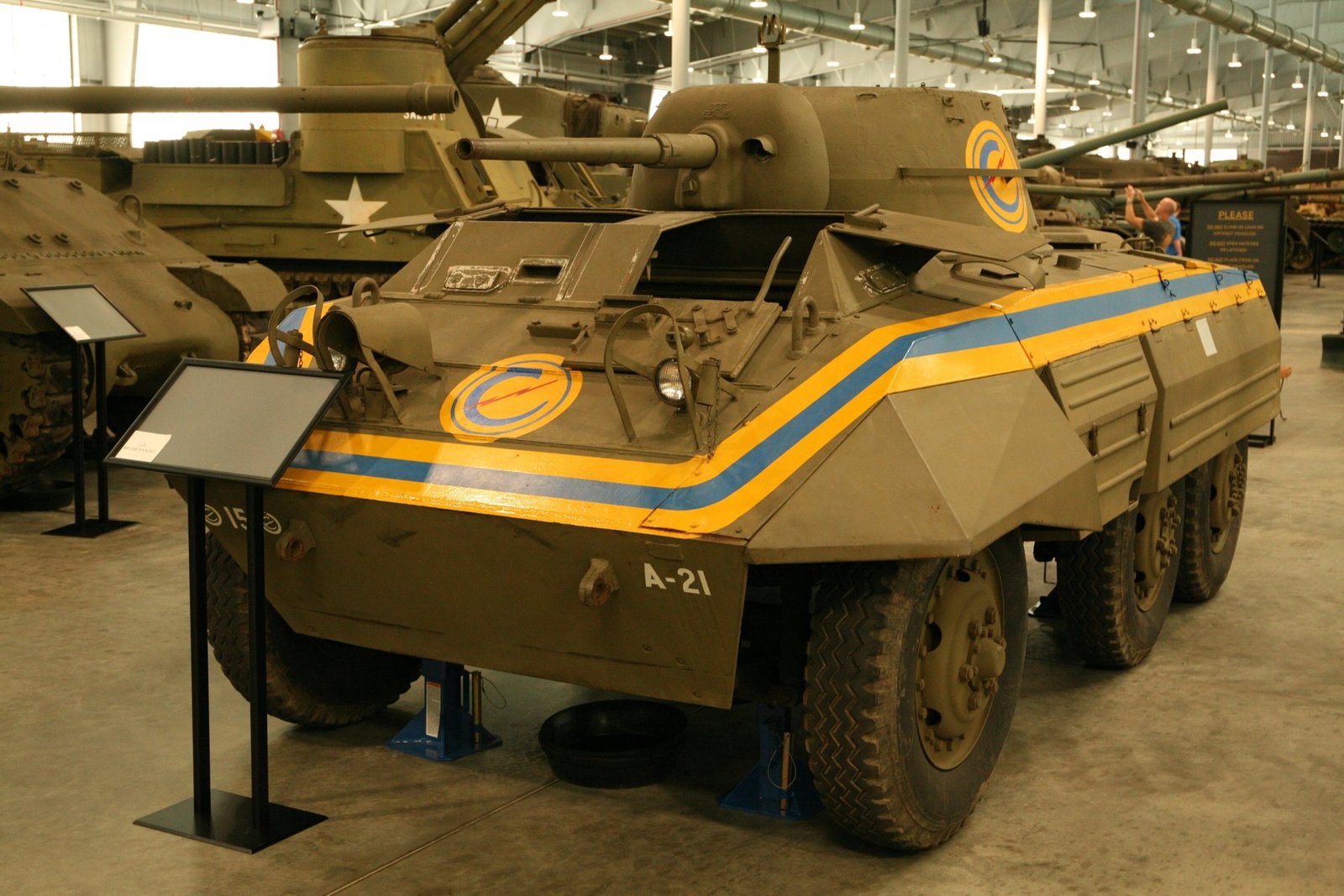
United States / World War II
Armored Reconnaissance / Armored Car · Armored car
The M8 and turretless M20 gave U.S. cavalry reconnaissance units a fast six-wheeled armored family for scouting, command, liaison, and security during the Second World War.
Read the profile →
Germany / World War II
Armored Reconnaissance / Armored Car · Armored car
The Sd.Kfz. 234 was Germany’s final wartime eight-wheeled reconnaissance family, combining a new armored chassis and diesel engine with 20 mm, 50 mm, short-75 mm, and PaK 40 armament variants.
Read the profile →
France / Cold War
Armored Reconnaissance / Armored Car · Wheeled reconnaissance / fire-support vehicle
The Panhard EBR used an unusual eight-wheel layout, oscillating turret, central steel wheels, and front-and-rear driving positions to give postwar French cavalry high road speed and rapid reversal.
Read the profile →
United Kingdom / Cold War
Armored Reconnaissance / Armored Car · Wheeled reconnaissance vehicle
The small Daimler Ferret became a signature British postwar scout car, combining compact dimensions, reliable 4×4 mobility, and a flexible family of reconnaissance and liaison variants.
Read the profile →
Soviet Union / Cold War
Armored Reconnaissance / Armored Car · Wheeled reconnaissance vehicle
The amphibious BRDM-1 gave Soviet reconnaissance units a purpose-built 4×4 scout vehicle with auxiliary belly wheels for crossing trenches and rough ground.
Read the profile →
United Kingdom / Cold War
Armored Reconnaissance / Armored Car · Wheeled reconnaissance vehicle
The six-wheeled Saladin gave British and export reconnaissance units a turreted 76 mm gun vehicle with high road speed and better direct-fire capability than the light Ferret.
Read the profile →
France / Cold War
Armored Reconnaissance / Armored Car · Wheeled reconnaissance / fire-support vehicle
The light Panhard AML paired a compact 4×4 chassis with multiple turret choices, most famously the 90 mm AML-90, and became one of the most widely exported French armored cars.
Read the profile →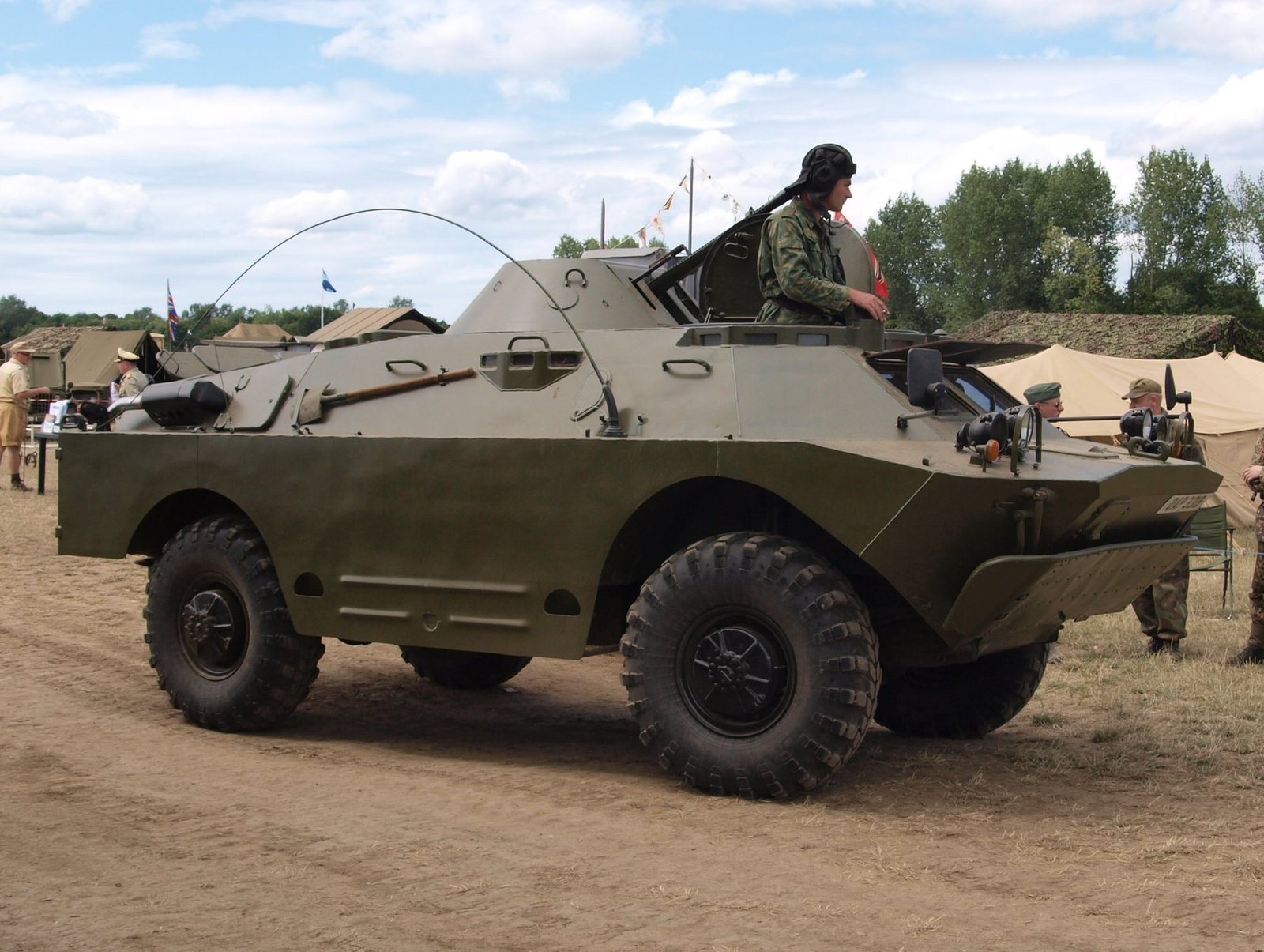
Soviet Union / Cold War / Modern
Armored Reconnaissance / Armored Car · Wheeled reconnaissance vehicle
The BRDM-2 improved the Soviet amphibious scout-car concept with a rear engine, enclosed turret, 14.5 mm machine gun, better crew layout, and worldwide export service.
Read the profile →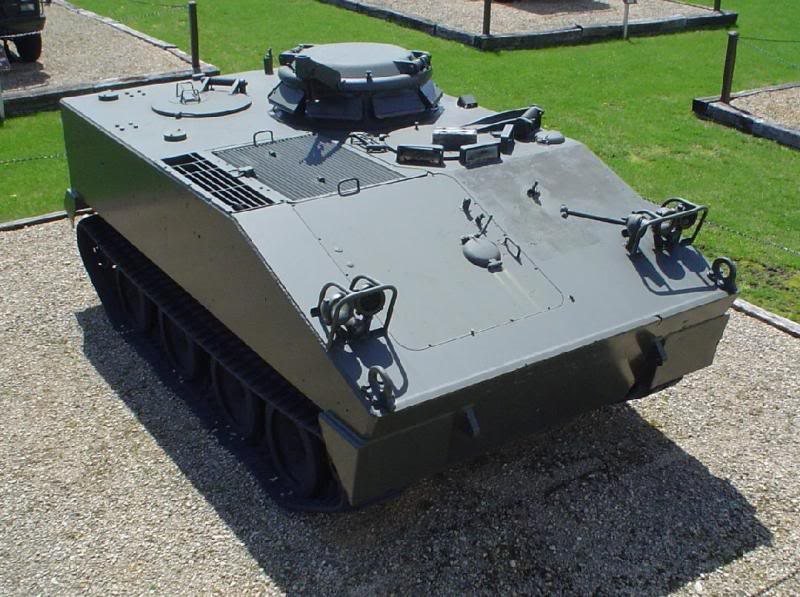
United States / Cold War
Armored Reconnaissance / Armored Car · Tracked reconnaissance vehicle
The low-silhouette tracked M114 was intended to give U.S. armored cavalry scouts and commanders a smaller reconnaissance vehicle than the M113, but mobility and reliability problems shortened its career.
Read the profile →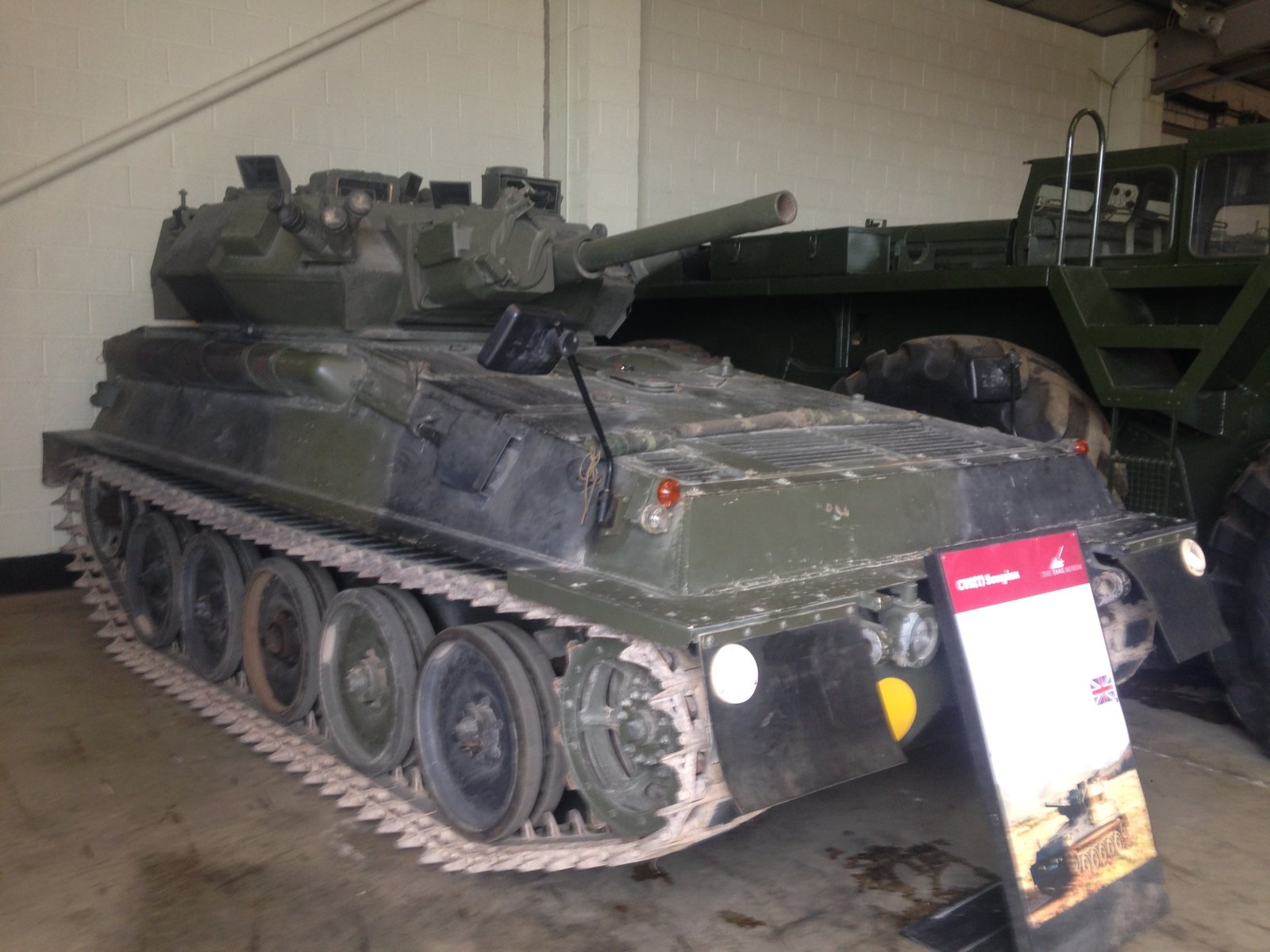
United Kingdom / Cold War
Armored Reconnaissance / Armored Car · Tracked reconnaissance / fire-support vehicle
The FV101 Scorpion was not a main battle tank. It was a compact tracked reconnaissance and fire-support vehicle, officially designated in British FV-number usage as “Combat Vehicle, Reconnaissance Tracked, 76MM Gun.
Read the profile →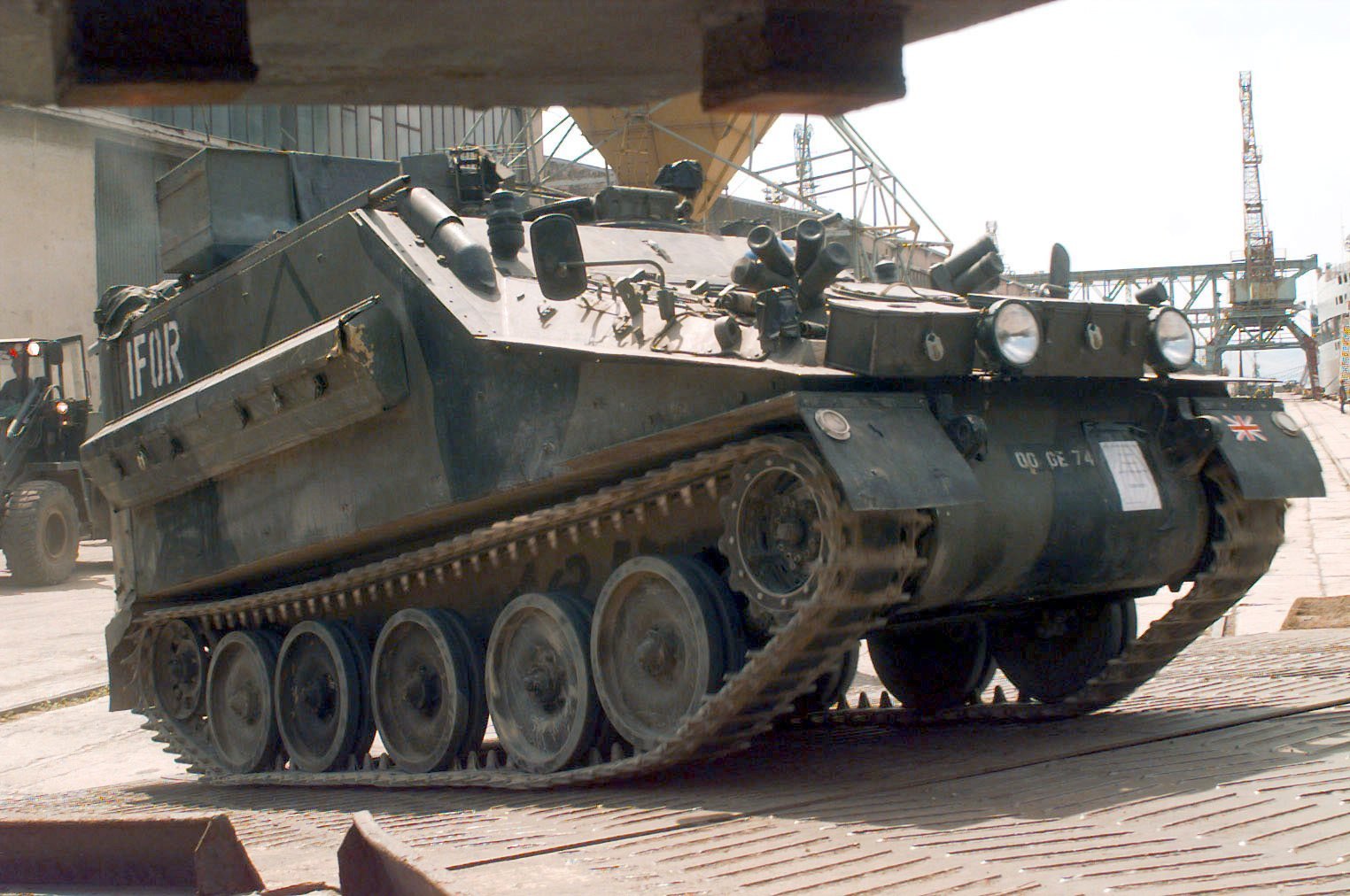
United Kingdom / Cold War / Modern
Armored Reconnaissance / Armored Car · Tracked reconnaissance vehicle
Britain’s CVR(T) family used a common lightweight tracked chassis for reconnaissance, troop carrying, command, recovery, and antitank roles, with the existing Scorpion profile serving as the family anchor.
Read the profile →
United Kingdom / Cold War
Armored Reconnaissance / Armored Car · Wheeled reconnaissance vehicle
The Fox combined a light aluminum armored hull with a 30 mm RARDEN cannon, giving Britain a fast wheeled reconnaissance vehicle related in concept and turret technology to the CVR(T) family.
Read the profile →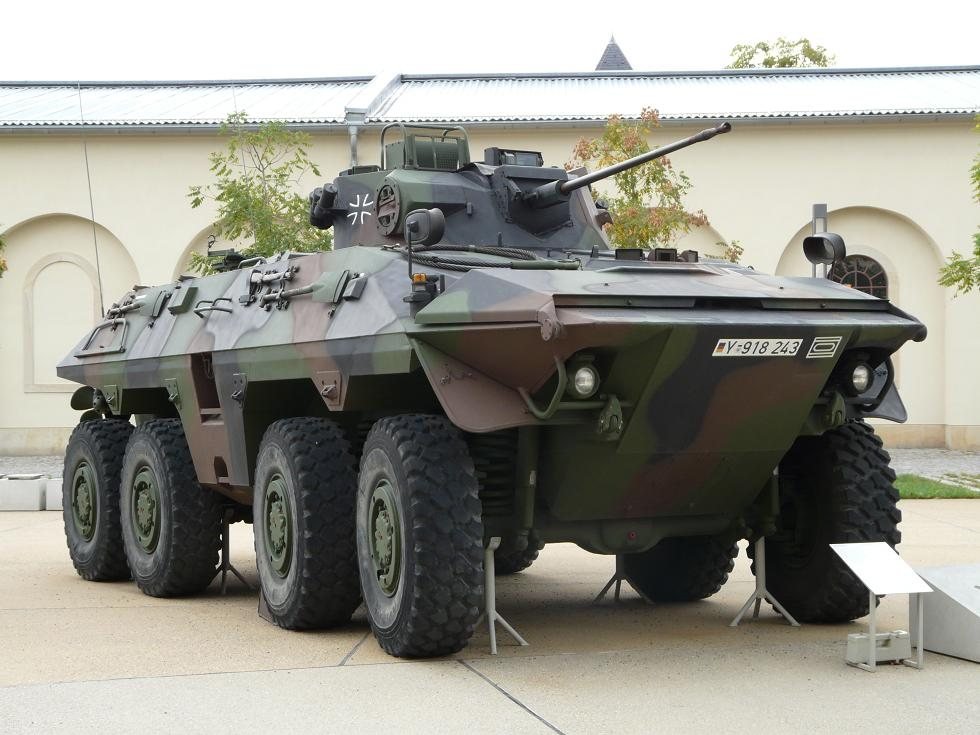
West Germany / Germany / Cold War
Armored Reconnaissance / Armored Car · Wheeled reconnaissance vehicle
The eight-wheeled Luchs was designed for West German armored reconnaissance with extreme quietness, amphibious capability, all-wheel steering, and a second driver position for rapid withdrawal.
Read the profile →
France / Cold War
Armored Reconnaissance / Armored Car · Wheeled reconnaissance / fire-support vehicle
The six-wheeled ERC-90 Sagaie gave French expeditionary forces a lighter, air-transportable 90 mm reconnaissance vehicle for operations where the larger AMX-10RC was less practical.
Read the profile →
France / Cold War / Modern
Armored Reconnaissance / Armored Car · Wheeled reconnaissance / fire-support vehicle
The six-wheeled AMX-10RC combined a 105 mm gun, high road mobility, reconnaissance sensors, and later protection upgrades to serve as France’s principal heavy wheeled reconnaissance vehicle for decades.
Read the profile →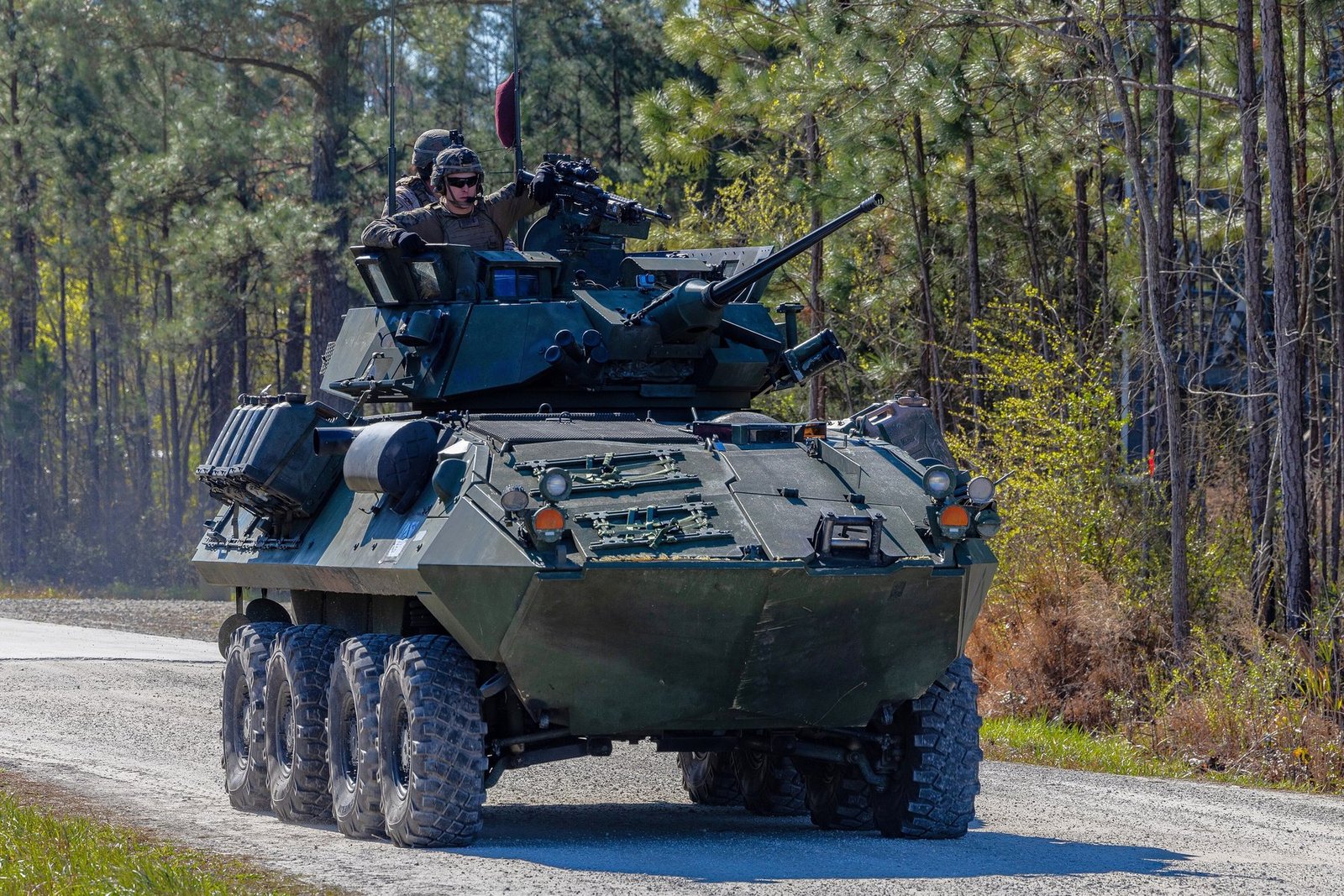
United States / Canada / Cold War / Modern
Armored Reconnaissance / Armored Car · Wheeled reconnaissance / fire-support vehicle
The eight-wheeled LAV-25 family gave the U.S. Marine Corps a fast, amphibious reconnaissance vehicle armed with the M242 25 mm cannon and supported by several mission-role variants.
Read the profile →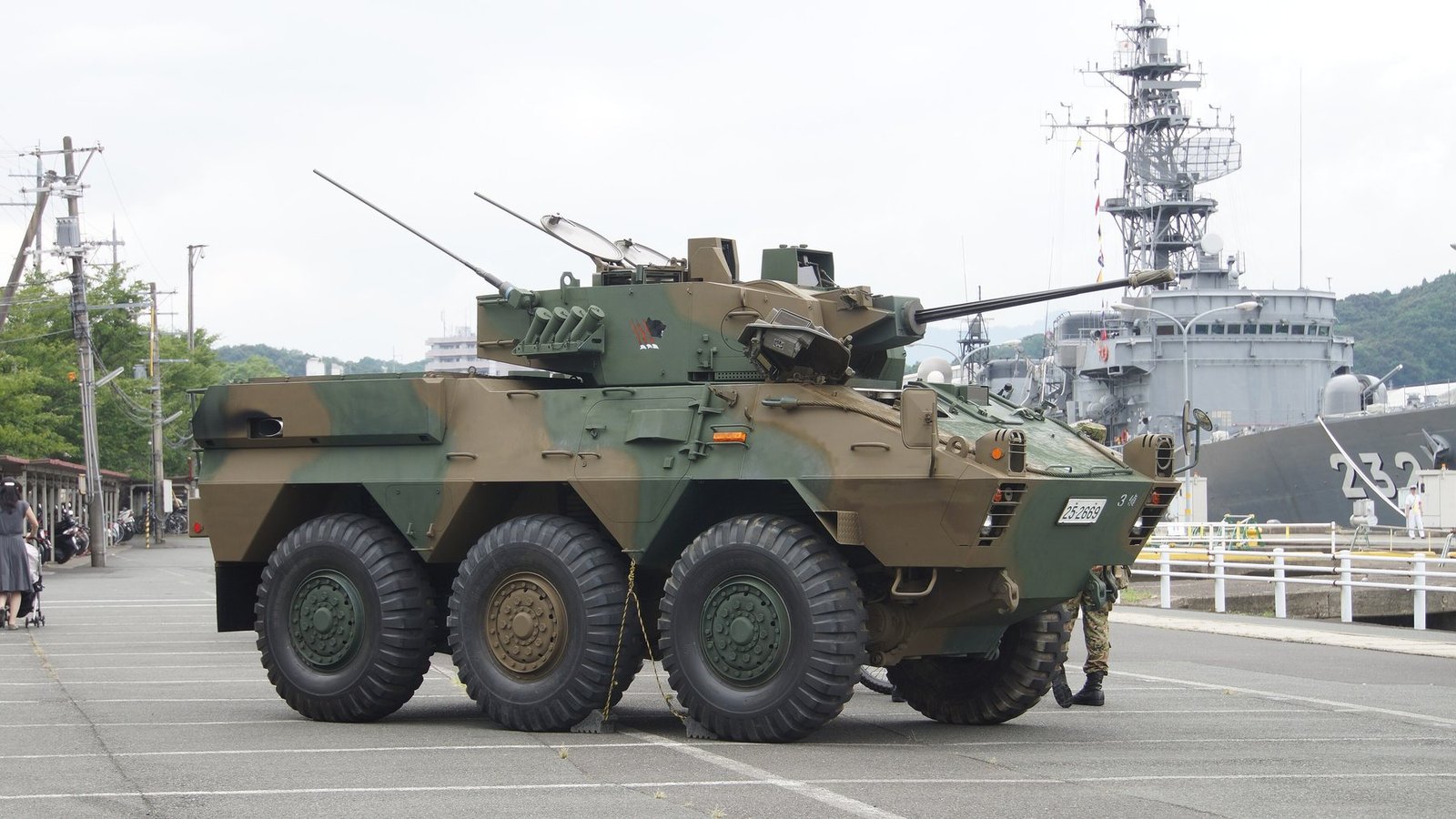
Japan / Cold War / Modern
Armored Reconnaissance / Armored Car · Wheeled reconnaissance vehicle
Japan’s Type 87 RCV is a six-wheeled armored reconnaissance vehicle armed with a 25 mm autocannon and designed for rapid road movement, surveillance, and flank-security missions.
Read the profile →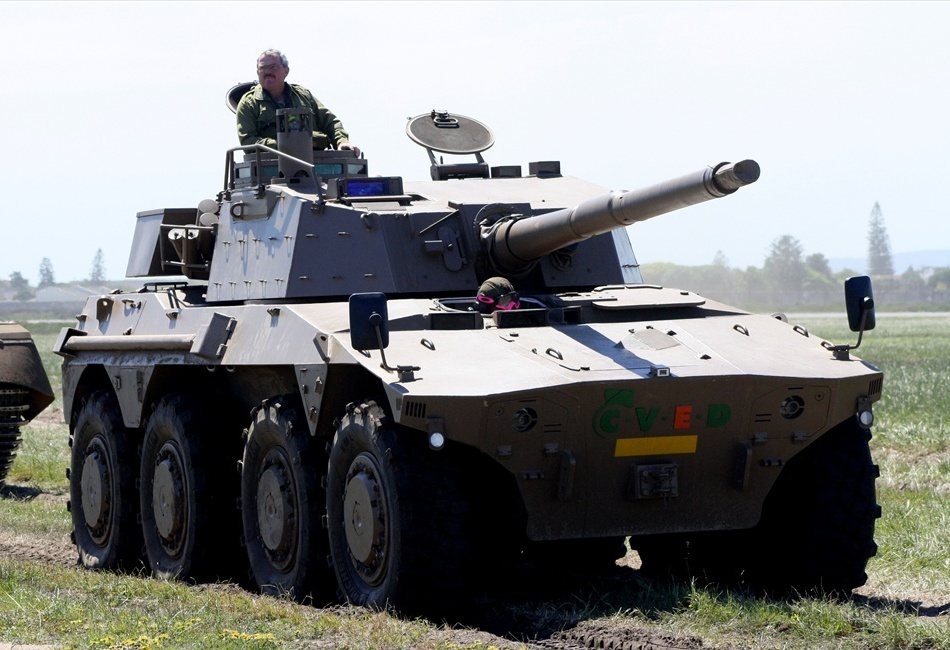
South Africa / Cold War / Modern
Armored Reconnaissance / Armored Car · Wheeled reconnaissance / fire-support vehicle
The eight-wheeled Rooikat was created for long-range South African reconnaissance, combining exceptional road and cross-country mobility with a stabilized 76 mm gun and later modernization.
Read the profile →
Germany / Cold War / Modern
Armored Reconnaissance / Armored Car · Tracked reconnaissance / weapons carrier
The tiny tracked Wiesel family gives German airborne and light forces an air-transportable armored weapons carrier that can support reconnaissance, antitank, cannon, mortar, air-defense, and medical roles.
Read the profile →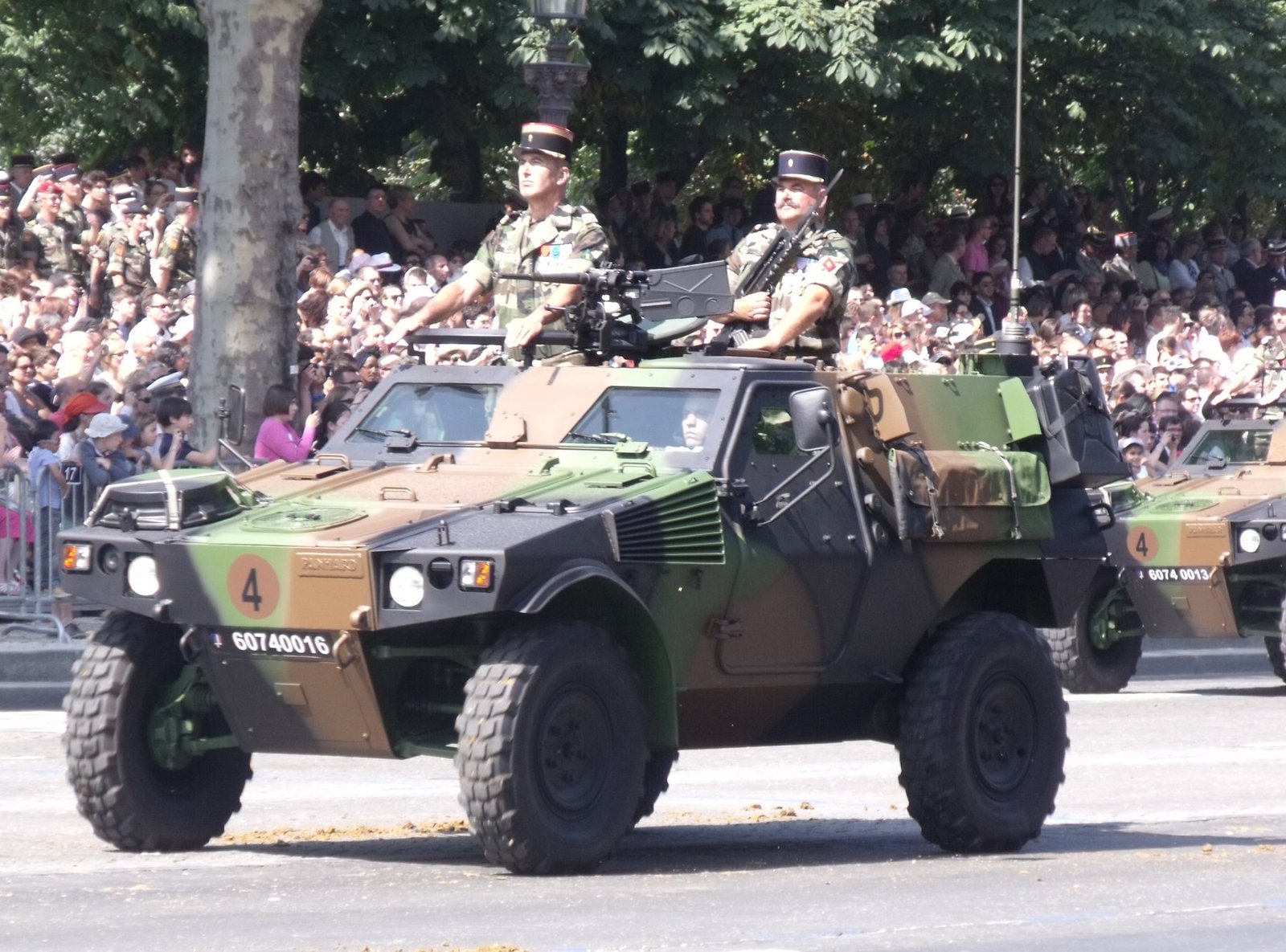
France / Cold War / Modern
Armored Reconnaissance / Armored Car · Wheeled reconnaissance / fire-support vehicle
France’s small VBL gives armored-cavalry scouts a low-profile protected vehicle for observation, liaison, antitank, and tactical-intelligence tasks alongside heavier reconnaissance systems.
Read the profile →
United States / Modern
Armored Reconnaissance / Armored Car · Wheeled reconnaissance vehicle
The M1127 adapts the eight-wheeled Stryker platform for reconnaissance and surveillance teams, emphasizing sensors, communications, and protected mobility within Stryker formations.
Read the profile →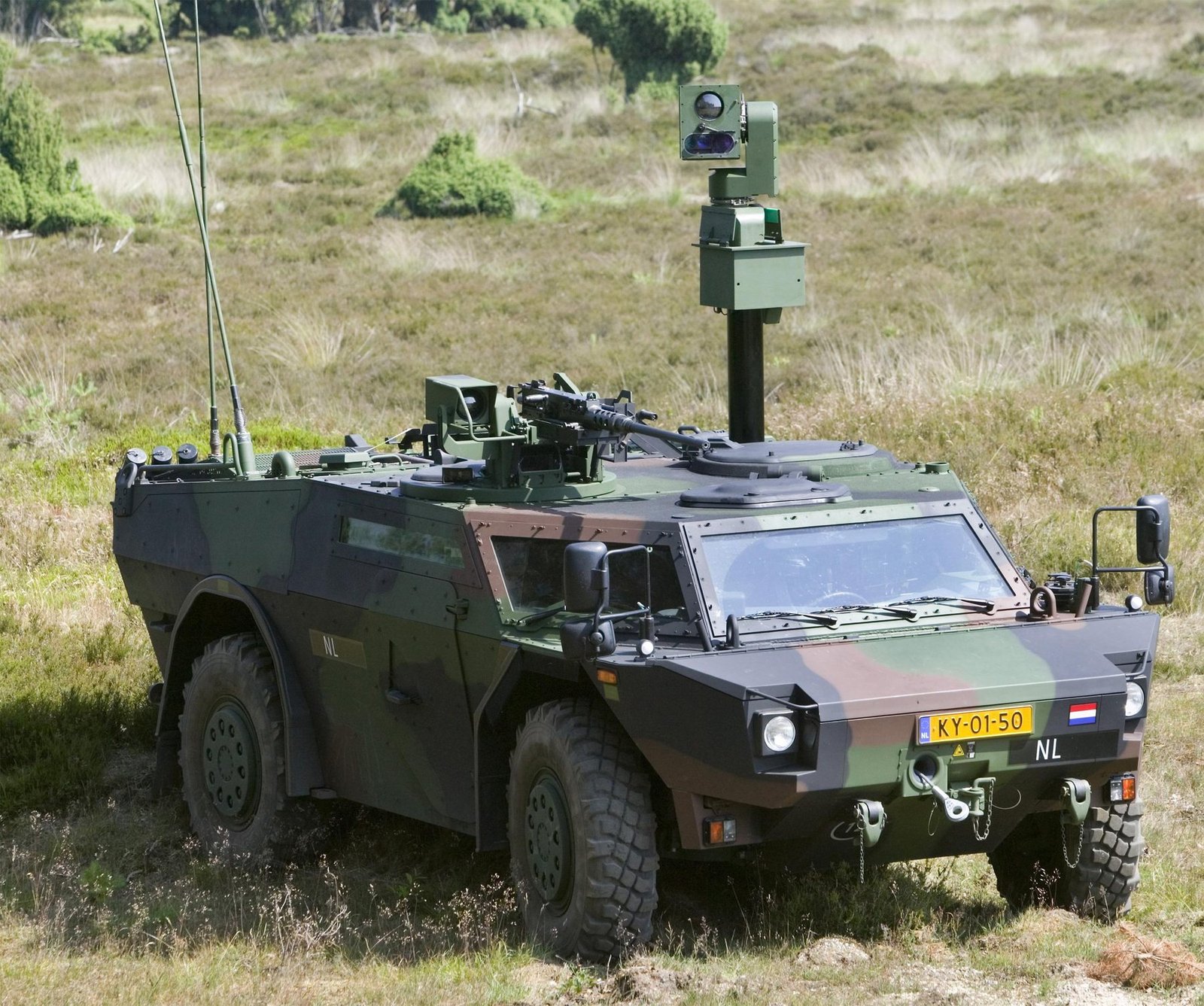
Germany / Netherlands / Modern
Armored Reconnaissance / Armored Car · Wheeled reconnaissance vehicle
The low-profile Fennek centers reconnaissance on sensors, communications, acoustic discretion, and long endurance rather than a large turret or heavy gun.
Read the profile →