NO IMAGEProfile availableGermany / World War II
Armored Air Defense · Self-propelled anti-aircraft gun
The Flakpanzer I was an early German attempt to give armored formations a tracked anti-aircraft weapon by mounting a 20 mm Flak gun on the obsolete Panzer I chassis.
Read the profile →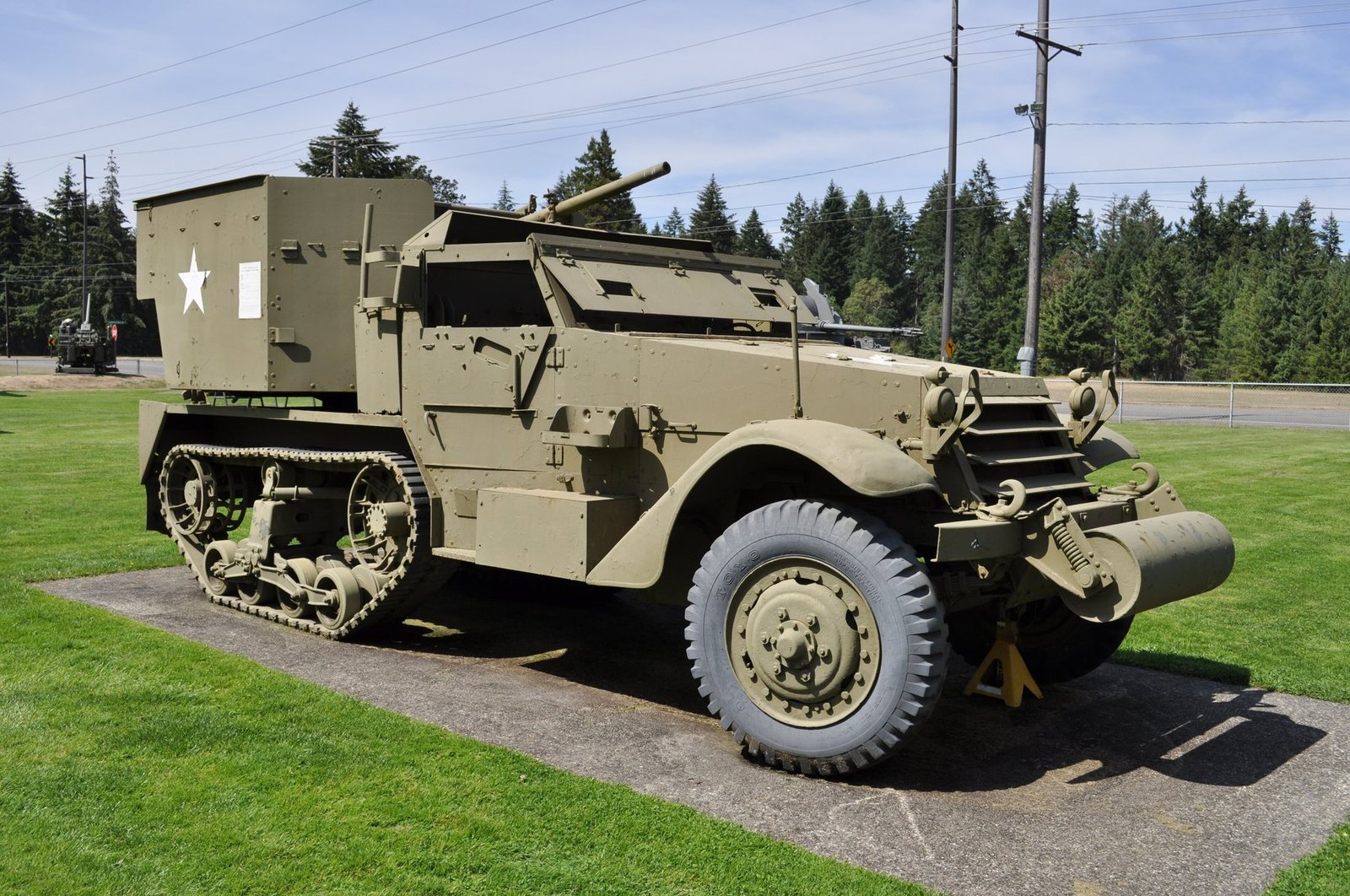
United States / World War II
Armored Air Defense · Half-track anti-aircraft vehicle
The M15 CGMC combined a 37 mm cannon with .50-caliber machine guns on an armored half-track to provide mobile U.S. Army air defense during the Second World War.
Read the profile →
United States / World War II
Armored Air Defense · Half-track anti-aircraft vehicle
The M16 MGMC mounted the electrically powered quad-.50 M45 turret on an armored half-track, becoming one of the best-known U.S. mobile anti-aircraft weapons of World War II and Korea.
Read the profile →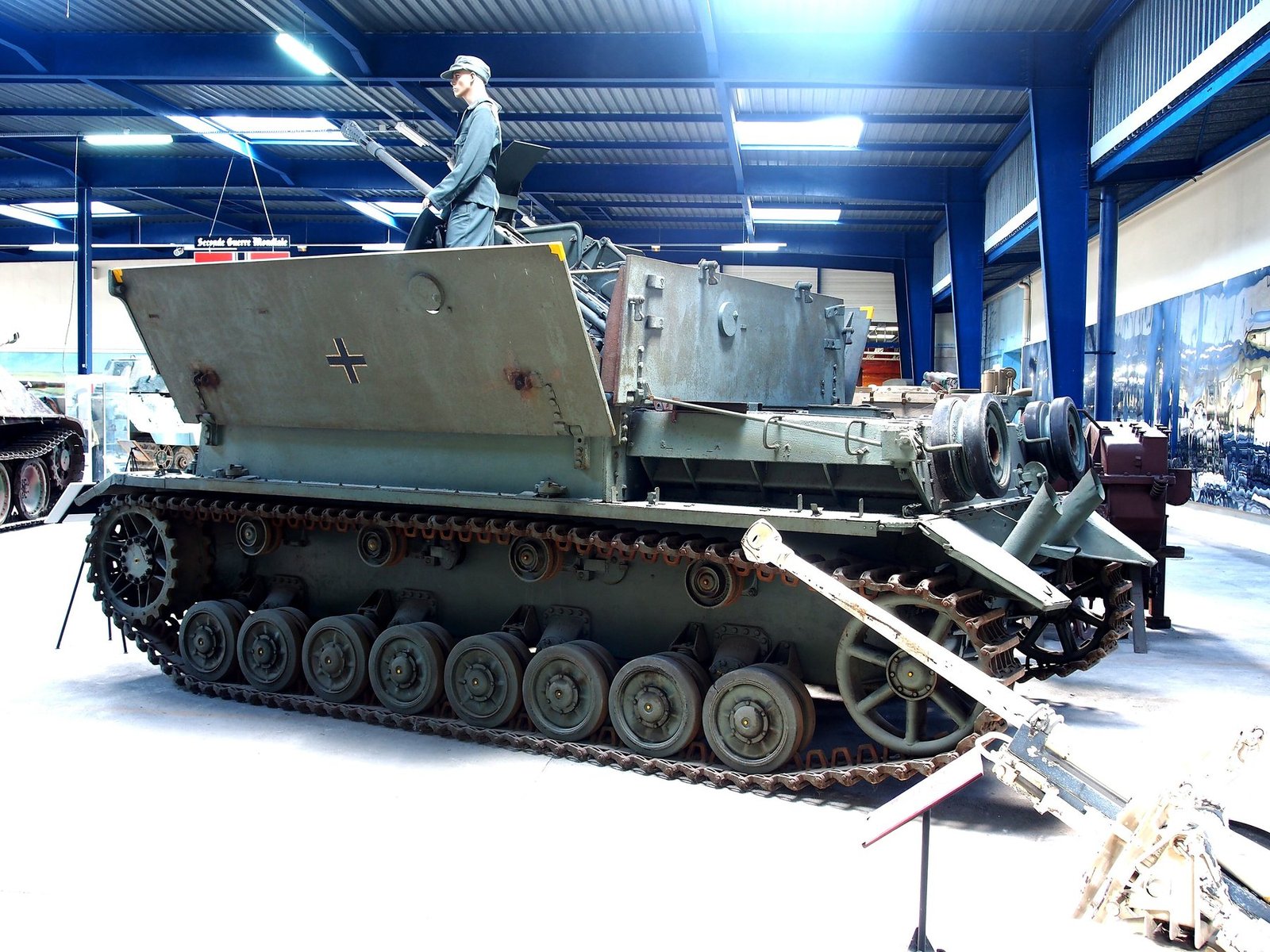
Germany / World War II
Armored Air Defense · Self-propelled anti-aircraft gun
The Möbelwagen put a powerful 37 mm anti-aircraft gun on the Panzer IV chassis, giving German panzer formations a mobile but still exposed answer to Allied air attack.
Read the profile →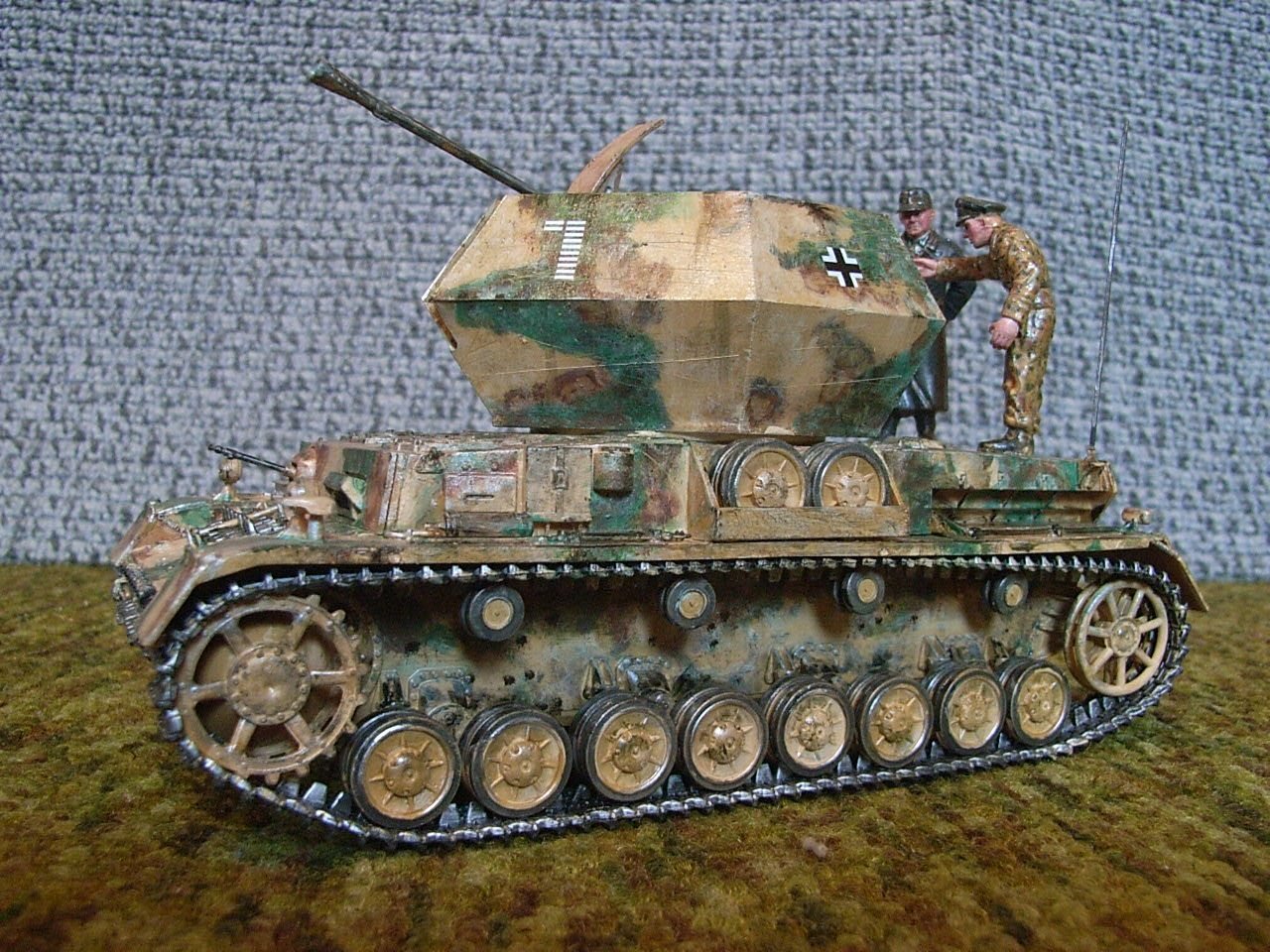
Germany / World War II
Armored Air Defense · Self-propelled anti-aircraft gun
Ostwind paired the Panzer IV chassis with a rotating open turret and a single 37 mm Flak 43, trading Wirbelwind’s volume of fire for greater range and hitting power.
Read the profile →
Germany / World War II
Armored Air Defense · Self-propelled anti-aircraft gun
Wirbelwind replaced the Möbelwagen’s folding enclosure with a rapidly traversing open turret carrying four 20 mm cannon for immediate close-range air defense.
Read the profile →
Germany / World War II
Armored Air Defense · Self-propelled anti-aircraft gun
Kugelblitz was Germany’s late-war attempt to place twin 30 mm cannon in a compact enclosed turret on the Panzer IV chassis, but the design arrived too late for meaningful production.
Read the profile →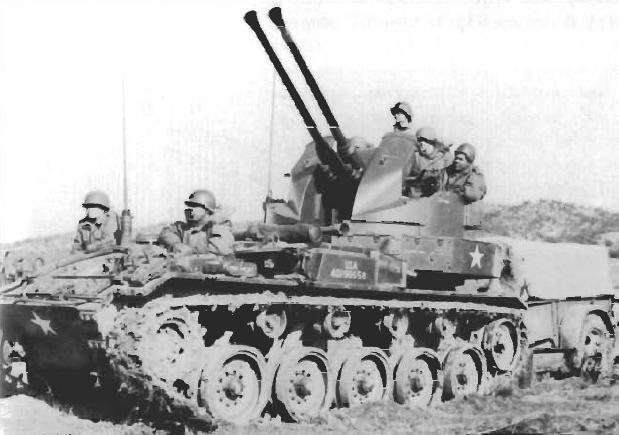
United States / Cold War
Armored Air Defense · Self-propelled anti-aircraft gun
The M19 MGMC placed twin 40 mm Bofors guns on a chassis derived from the M24 Chaffee, creating a fully tracked U.S. anti-aircraft gun vehicle that arrived too late for World War II combat.
Read the profile →Soviet Union / World War II / Cold War
Armored Air Defense · Self-propelled anti-aircraft gun
The ZSU-37 was the Soviet Union’s first series-produced fully tracked self-propelled anti-aircraft gun, combining a 37 mm cannon with an SU-76-derived chassis at the end of World War II.
Read the profile →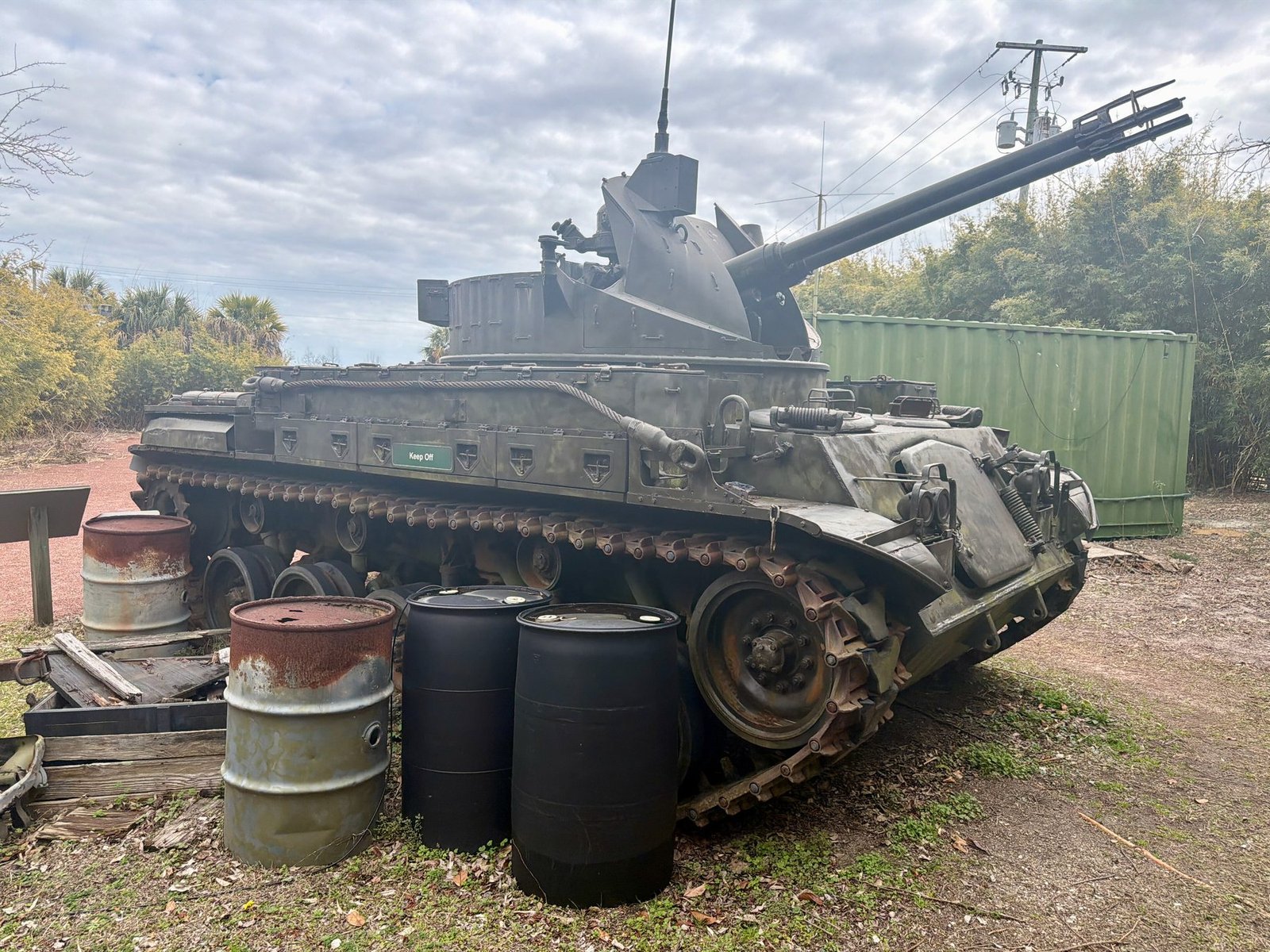
United States / Cold War
Armored Air Defense · Self-propelled anti-aircraft gun
The M42 Duster mounted twin 40 mm Bofors cannon on an M41-derived chassis and became a long-lived U.S. mobile air-defense gun that was used heavily for ground fire in Vietnam.
Read the profile →
Soviet Union / World War II / Cold War
Armored Air Defense · Self-propelled anti-aircraft gun
The ZSU-57-2 mounted twin 57 mm cannon on a modified T-54 chassis, giving Soviet armored formations heavy mobile anti-aircraft fire but without an integral radar.
Read the profile →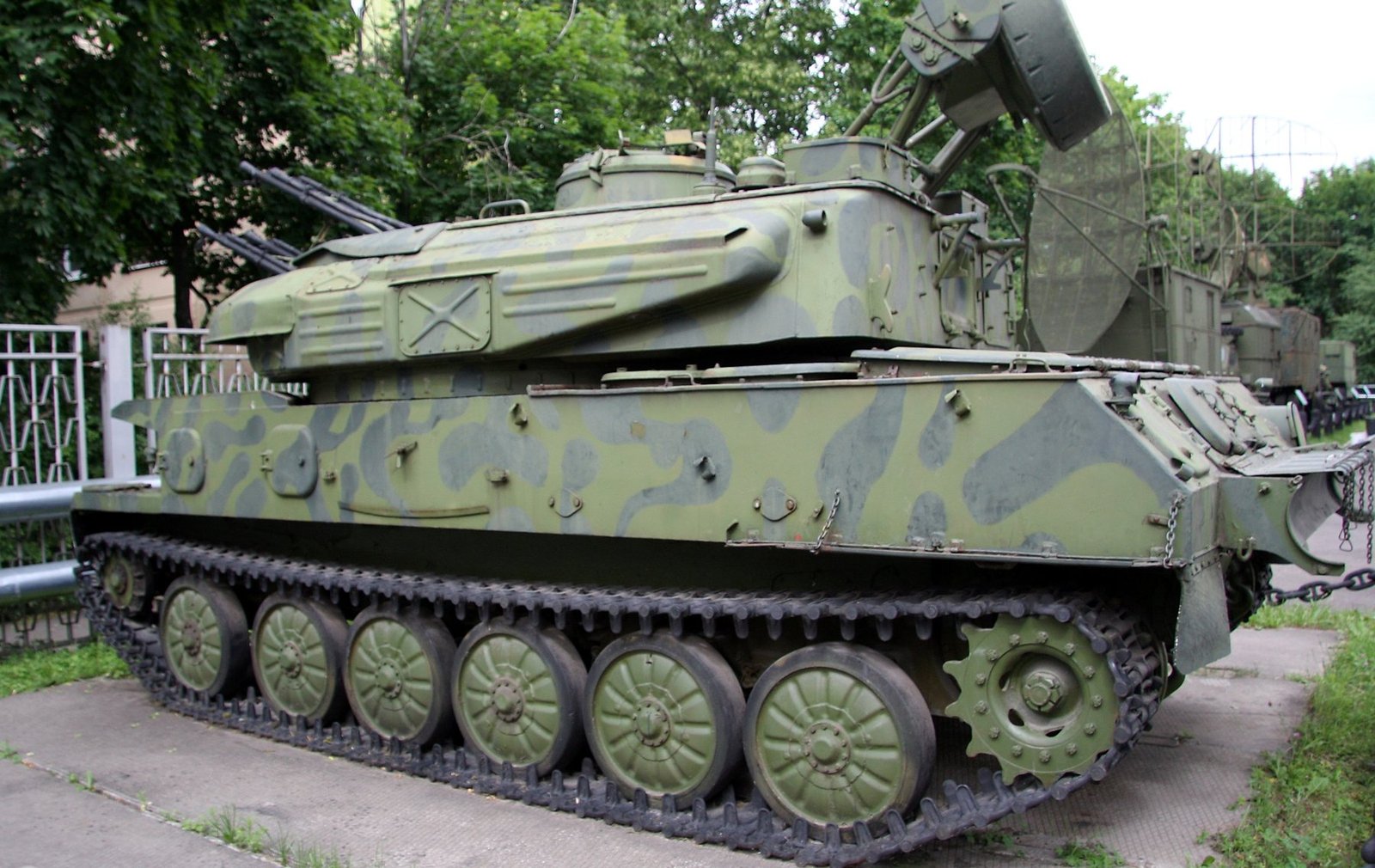
Soviet Union / World War II / Cold War
Armored Air Defense · Self-propelled anti-aircraft gun
The ZSU-23-4 Shilka combined four rapid-firing 23 mm cannon with an integral fire-control radar on a tracked chassis, becoming one of the defining Soviet short-range air-defense systems of the Cold War.
Read the profile →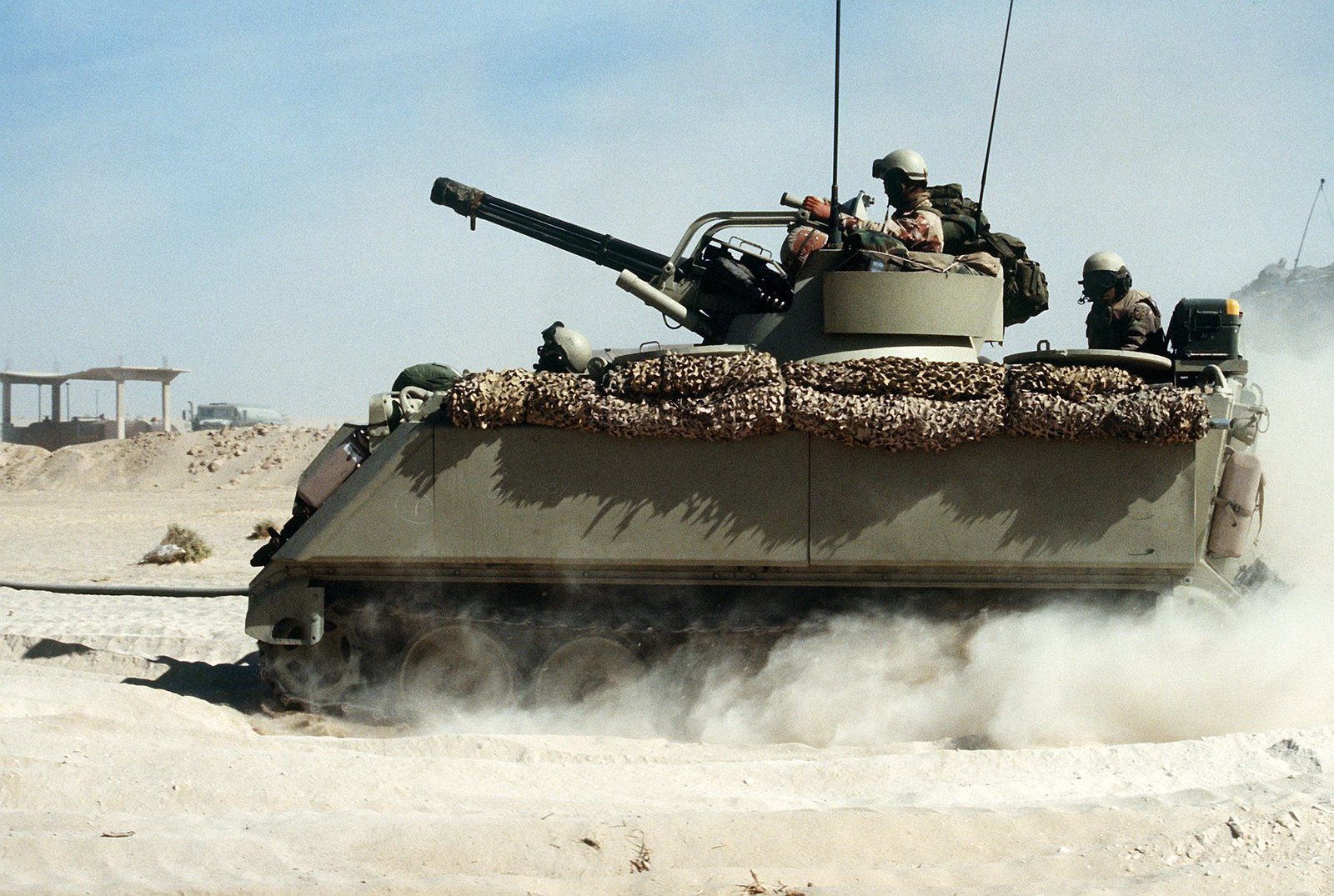
United States / Cold War
Armored Air Defense · Self-propelled anti-aircraft gun
The M163 mounted a 20 mm Vulcan rotary cannon and tracking equipment on an M113-derived carrier, creating a highly mobile short-range gun system for mechanized formations.
Read the profile →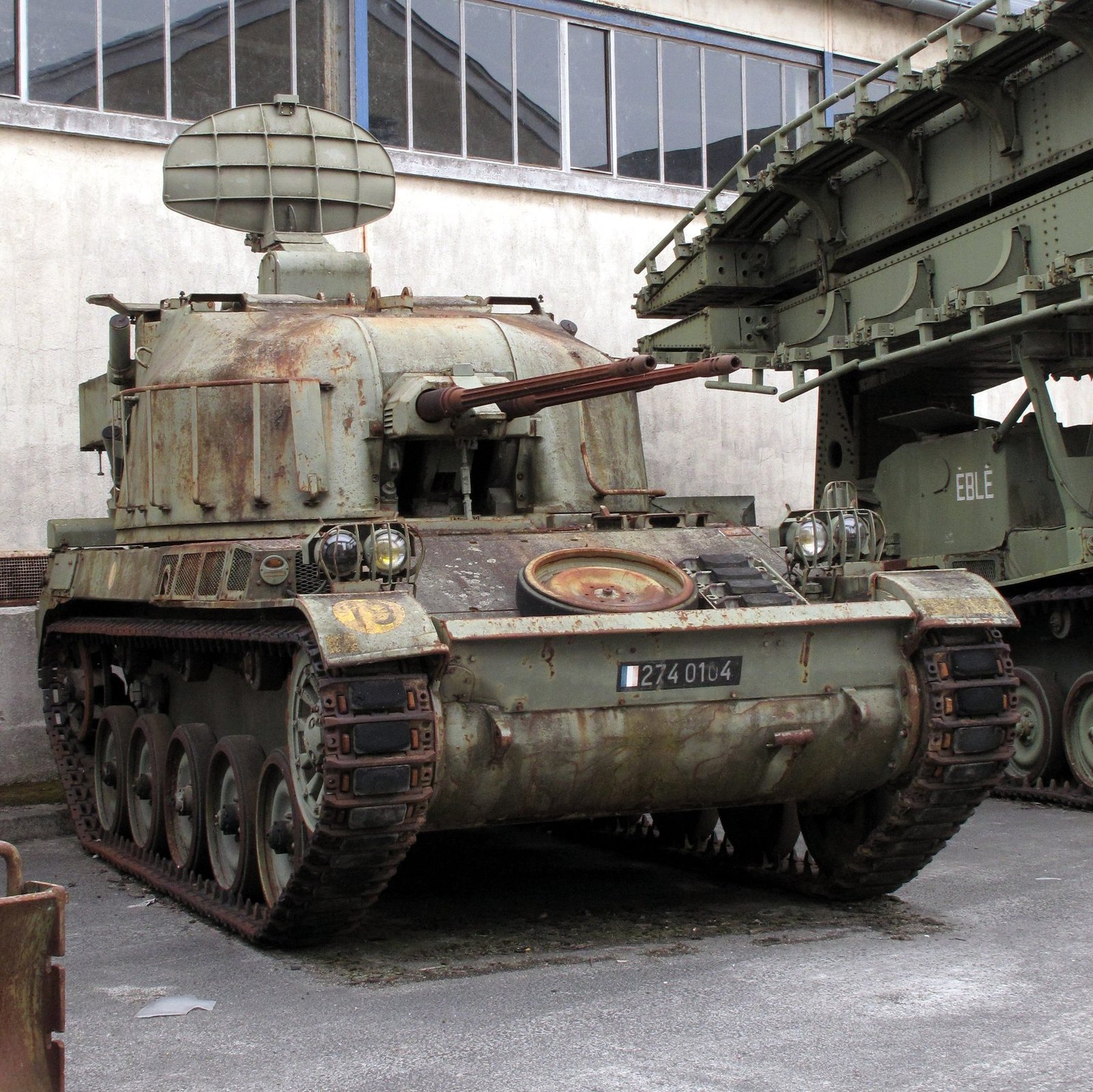
France / Cold War
Armored Air Defense · Self-propelled anti-aircraft gun
The AMX-13 DCA gave French armored formations a radar-assisted twin-30 mm self-propelled anti-aircraft gun on the compact AMX-13 chassis.
Read the profile →France / Cold War
Armored Air Defense · Self-propelled anti-aircraft gun
The AMX-30 DCA transferred the French twin-30 mm radar-directed anti-aircraft turret concept to the larger AMX-30 chassis, principally for export to Saudi Arabia.
Read the profile →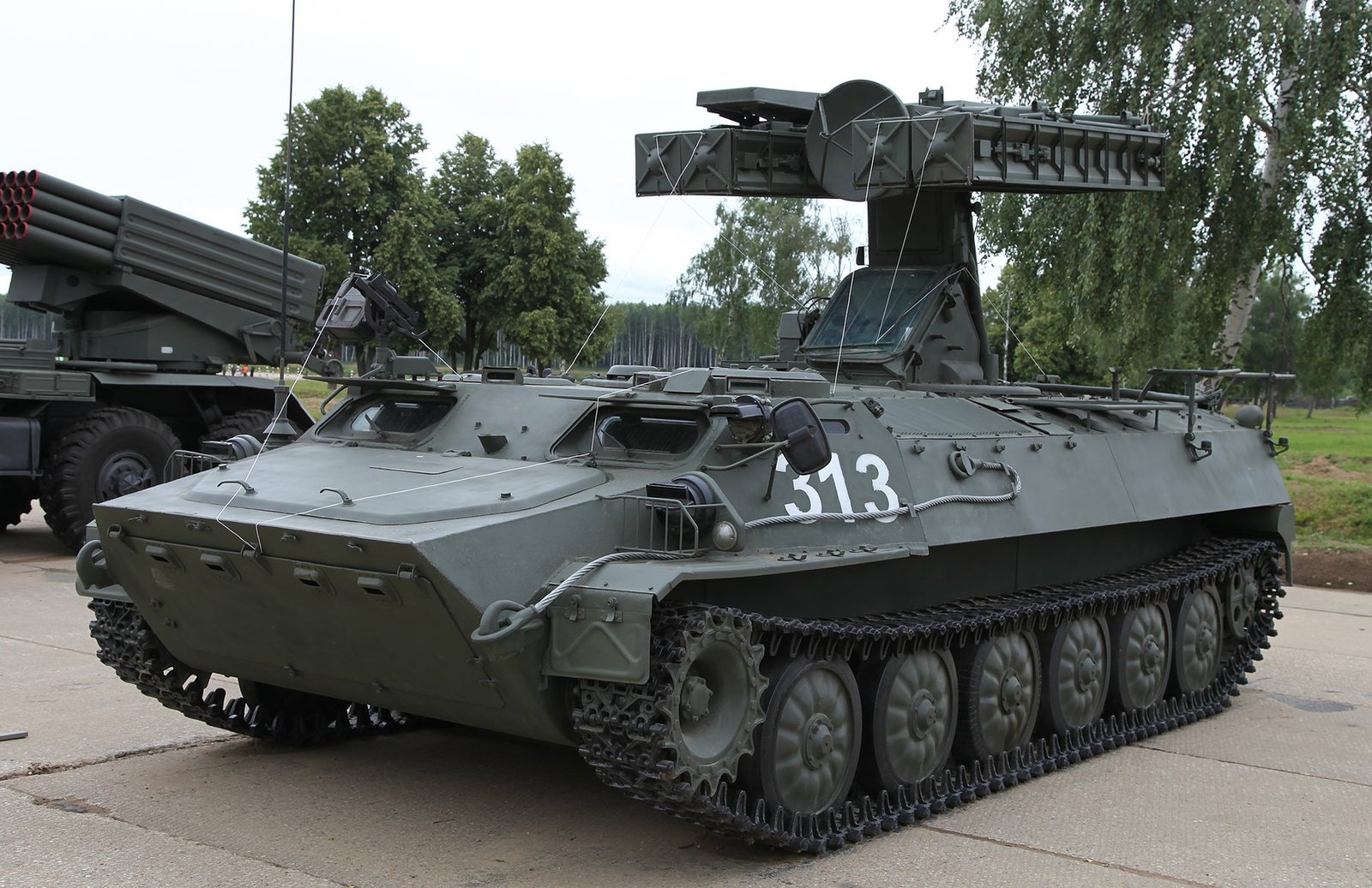
Soviet Union / Russia / Cold War / Modern
Armored Air Defense · Armored surface-to-air missile vehicle
The 9K35 Strela-10 placed infrared-guided short-range missiles on an amphibious MT-LB-derived armored carrier to give Soviet tank and motor-rifle formations a mobile low-altitude missile defense.
Read the profile →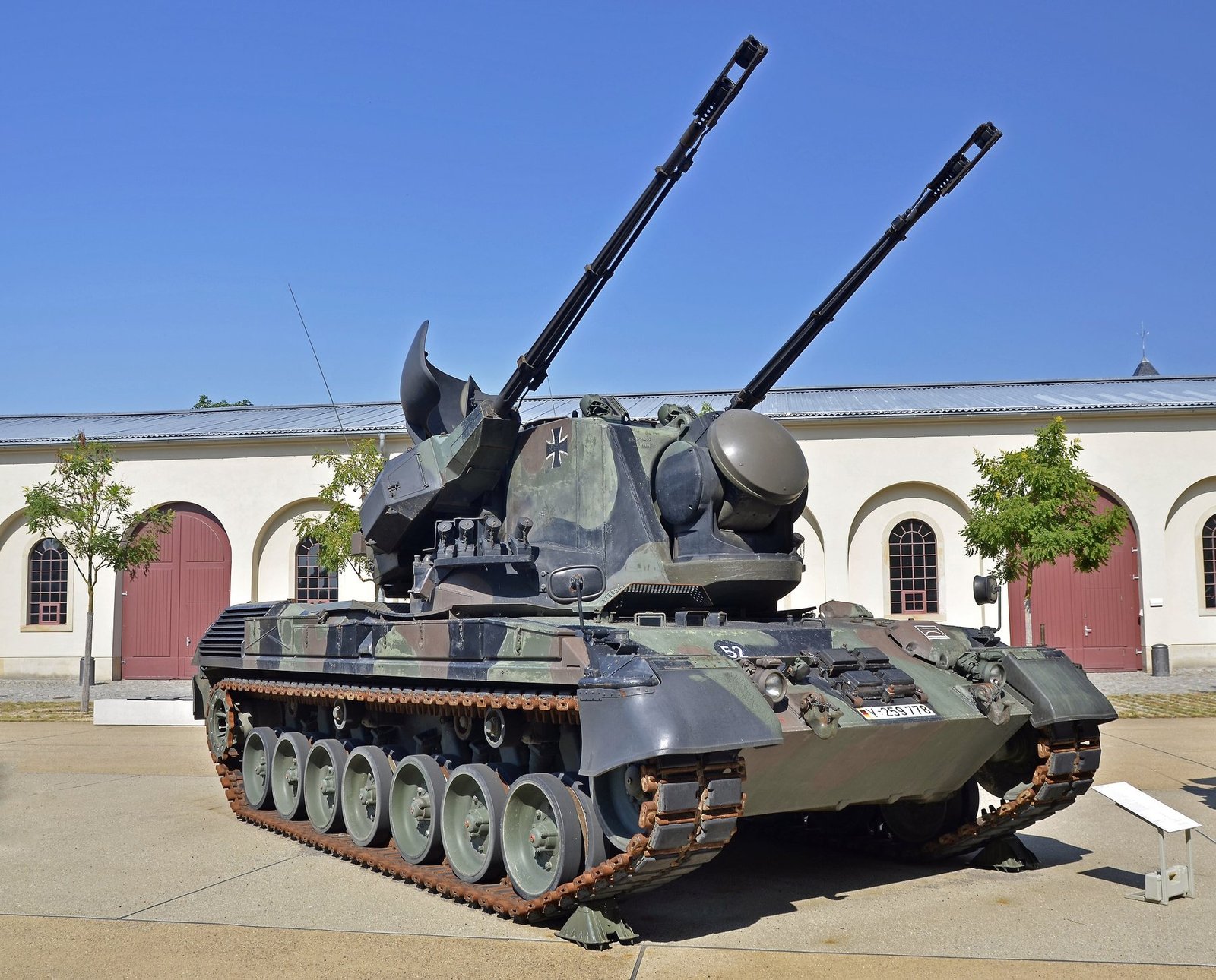
West Germany / Germany / Cold War / Modern
Armored Air Defense · Self-propelled anti-aircraft gun
Built on Leopard 1 automotive components, the Gepard combined twin 35 mm cannon with onboard search and tracking radar to protect maneuver formations against low-level air attack.
Read the profile →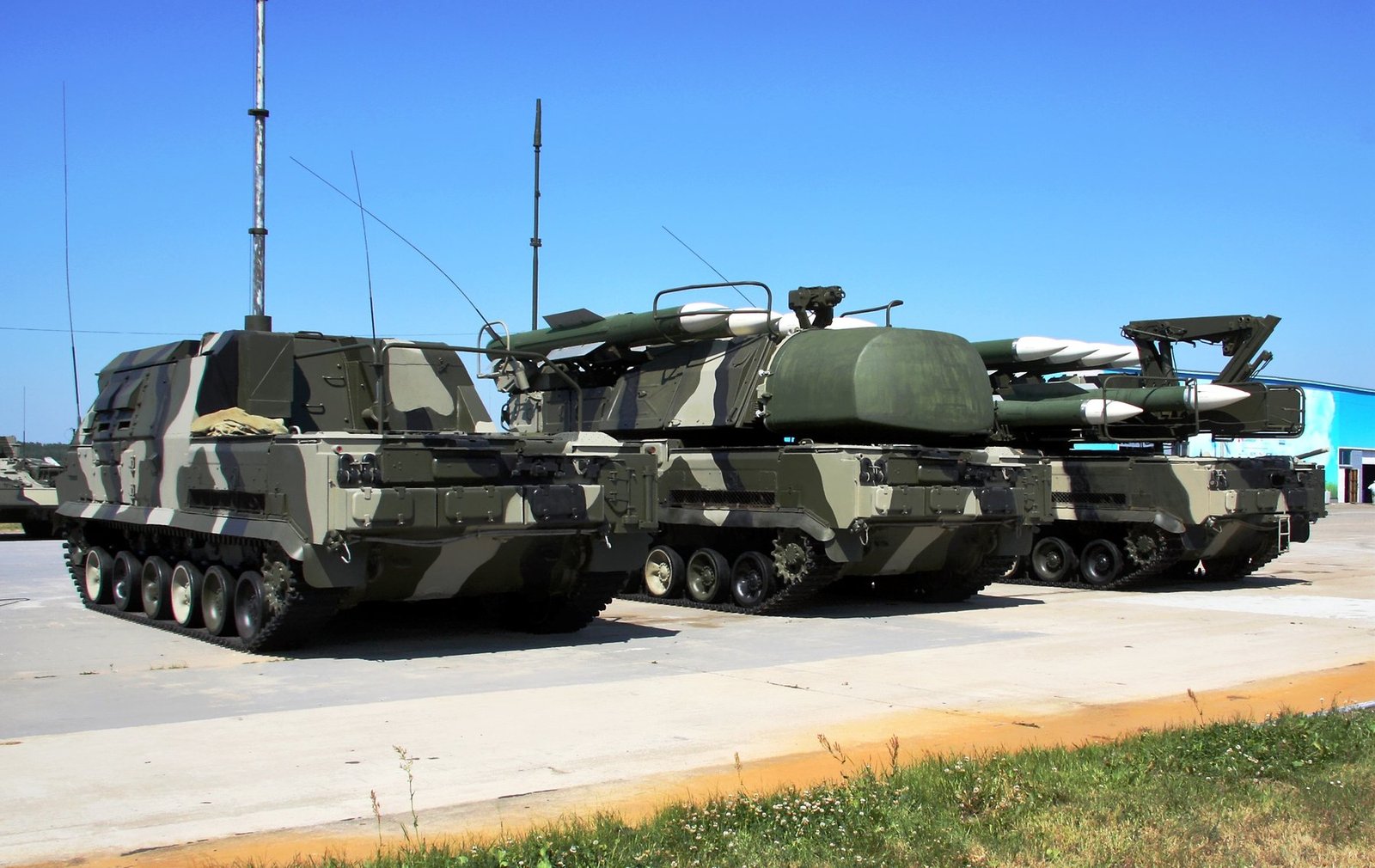
Soviet Union / Russia / Cold War / Modern
Armored Air Defense · Armored surface-to-air missile vehicle
The Buk family uses a network of tracked radar, command, launcher, and launcher-radar vehicles to provide medium-range mobile air defense capable of moving with Soviet and Russian ground forces.
Read the profile →West Germany / France / Cold War
Armored Air Defense · Armored surface-to-air missile vehicle
The West German FlaRakPz 1 Roland mounted the Franco-German Roland short-range missile system on a Marder-derived tracked chassis to protect mechanized formations.
Read the profile →
United States / Cold War
Armored Air Defense · Self-propelled anti-aircraft gun
The M247 Sergeant York was the U.S. Army’s ambitious radar-directed twin-40 mm DIVAD gun system on an M48 chassis; technical and program problems led to cancellation before operational fielding.
Read the profile →
Soviet Union / Russia / Cold War / Modern
Armored Air Defense · Gun/missile air-defense vehicle
Tunguska combined twin 30 mm cannon, surface-to-air missiles, and onboard radar on one tracked chassis to replace separate Soviet gun and missile systems at very short range.
Read the profile →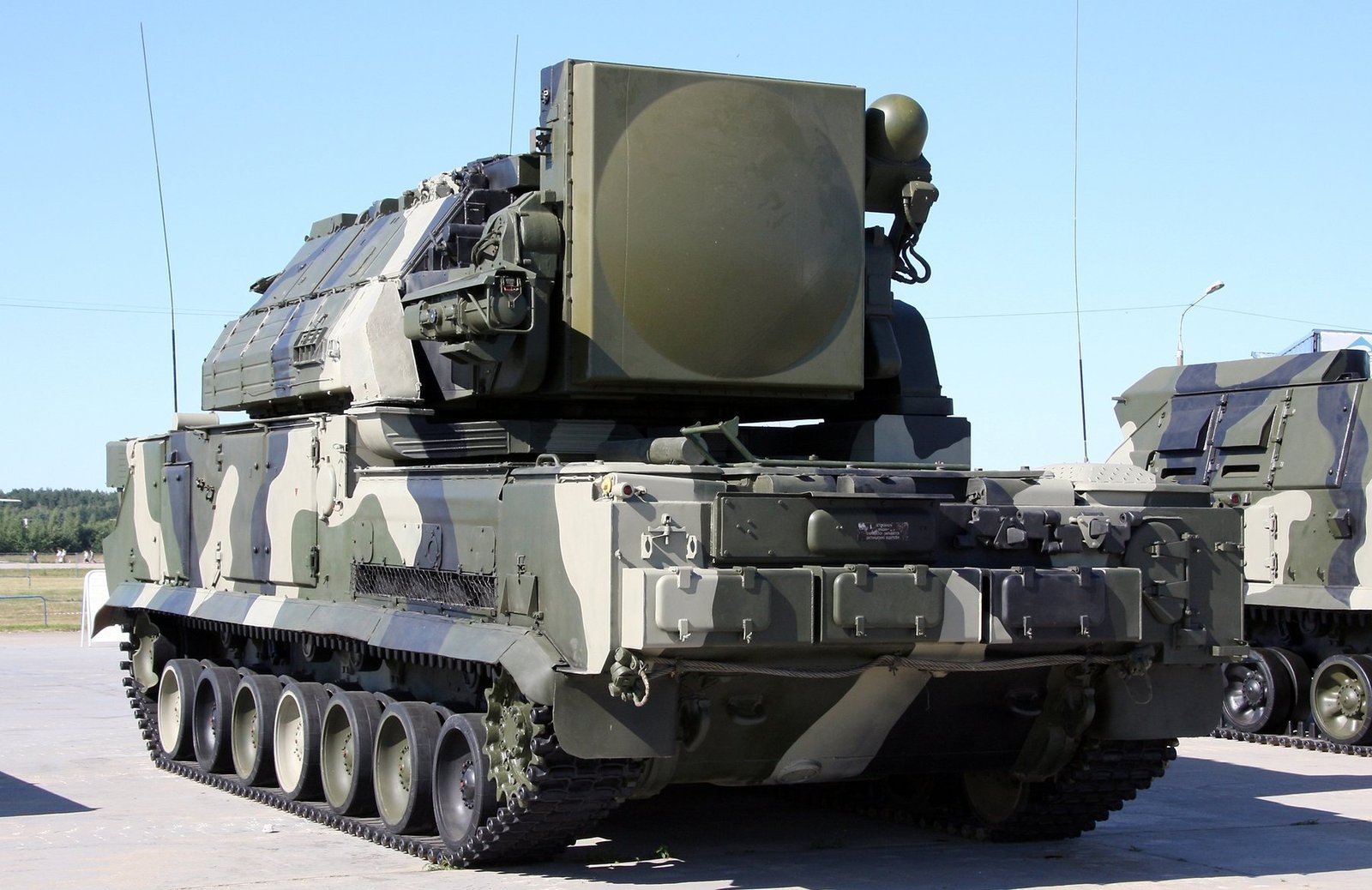
Soviet Union / Russia / Cold War / Modern
Armored Air Defense · Armored surface-to-air missile vehicle
The Tor family is a highly autonomous tracked short-range surface-to-air missile system designed to protect maneuver forces and key units against aircraft, helicopters, cruise missiles, and precision-guided weapons.
Read the profile →Italy / Cold War
Armored Air Defense · Self-propelled anti-aircraft gun prototype
OTOMATIC was an Italian prototype that placed a radar-directed rapid-fire 76 mm gun on an armored tracked chassis, seeking unusually long gun engagement range for a self-propelled anti-aircraft system.
Read the profile →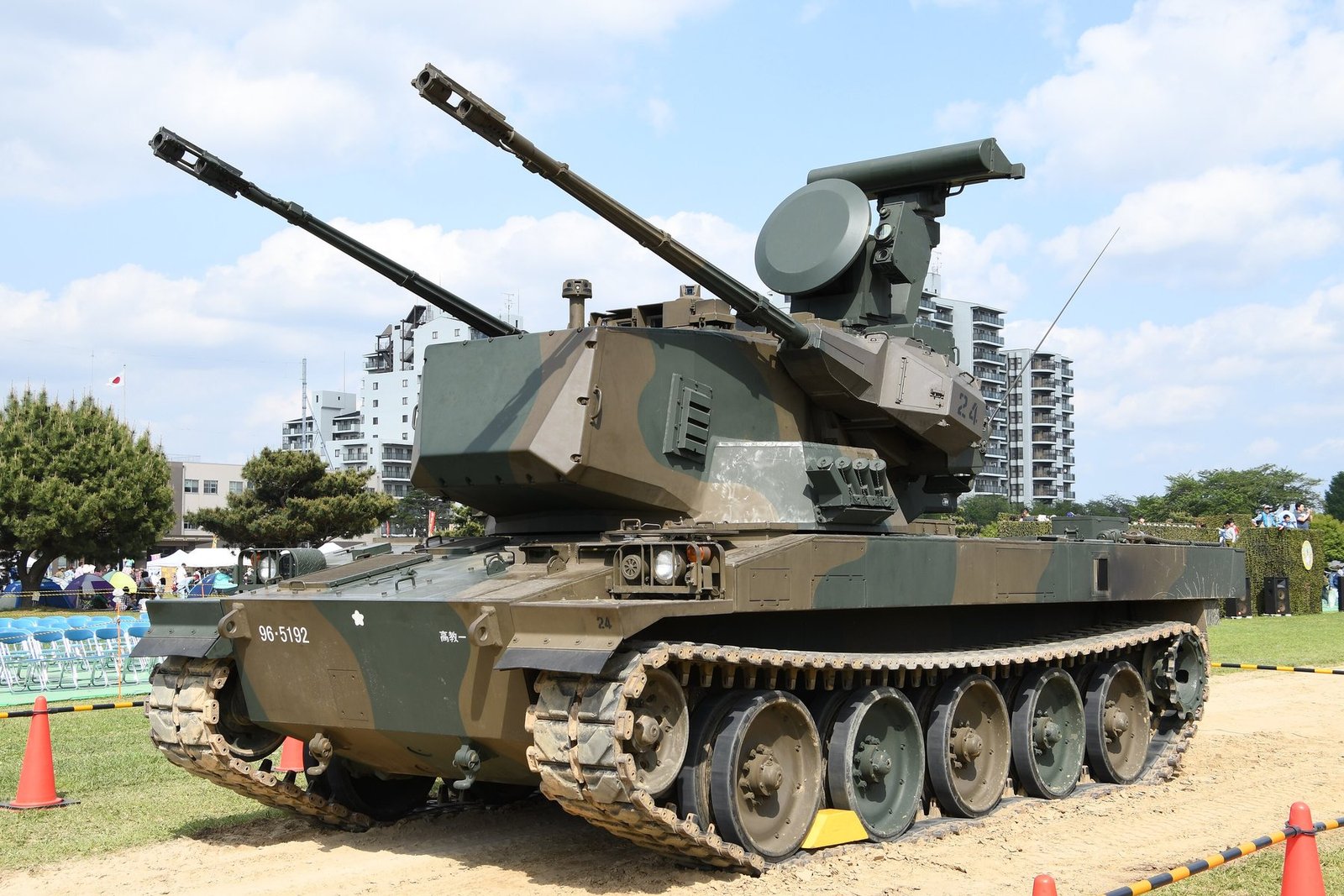
Japan / Cold War
Armored Air Defense · Self-propelled anti-aircraft gun
Japan’s Type 87 self-propelled anti-aircraft gun combines twin 35 mm cannon and onboard radar on a tracked chassis derived from the Type 74 tank family.
Read the profile →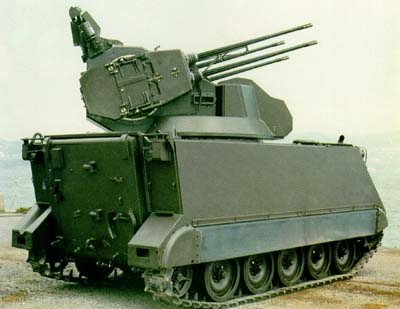
Italy / Cold War
Armored Air Defense · Self-propelled anti-aircraft gun
Italy’s SIDAM 25 placed four 25 mm cannon and optical/laser fire control on an M113-derived chassis to provide very-short-range air defense for mechanized and armored units.
Read the profile →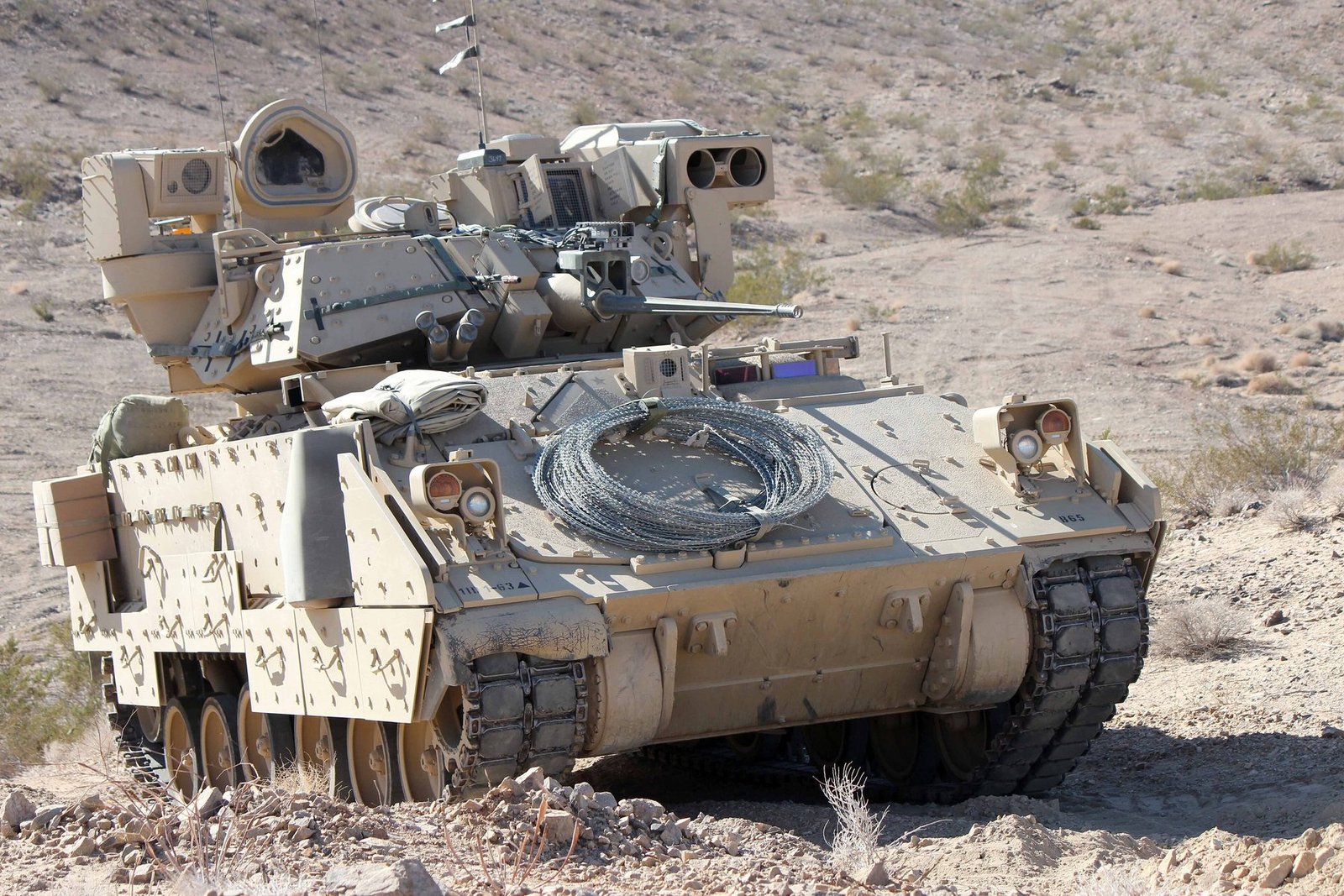
United States / Cold War / Modern
Armored Air Defense · Gun/missile air-defense vehicle
The M6 Linebacker converted the Bradley into a protected short-range air-defense vehicle by replacing the TOW launcher with a four-missile Stinger pod while retaining the 25 mm cannon.
Read the profile →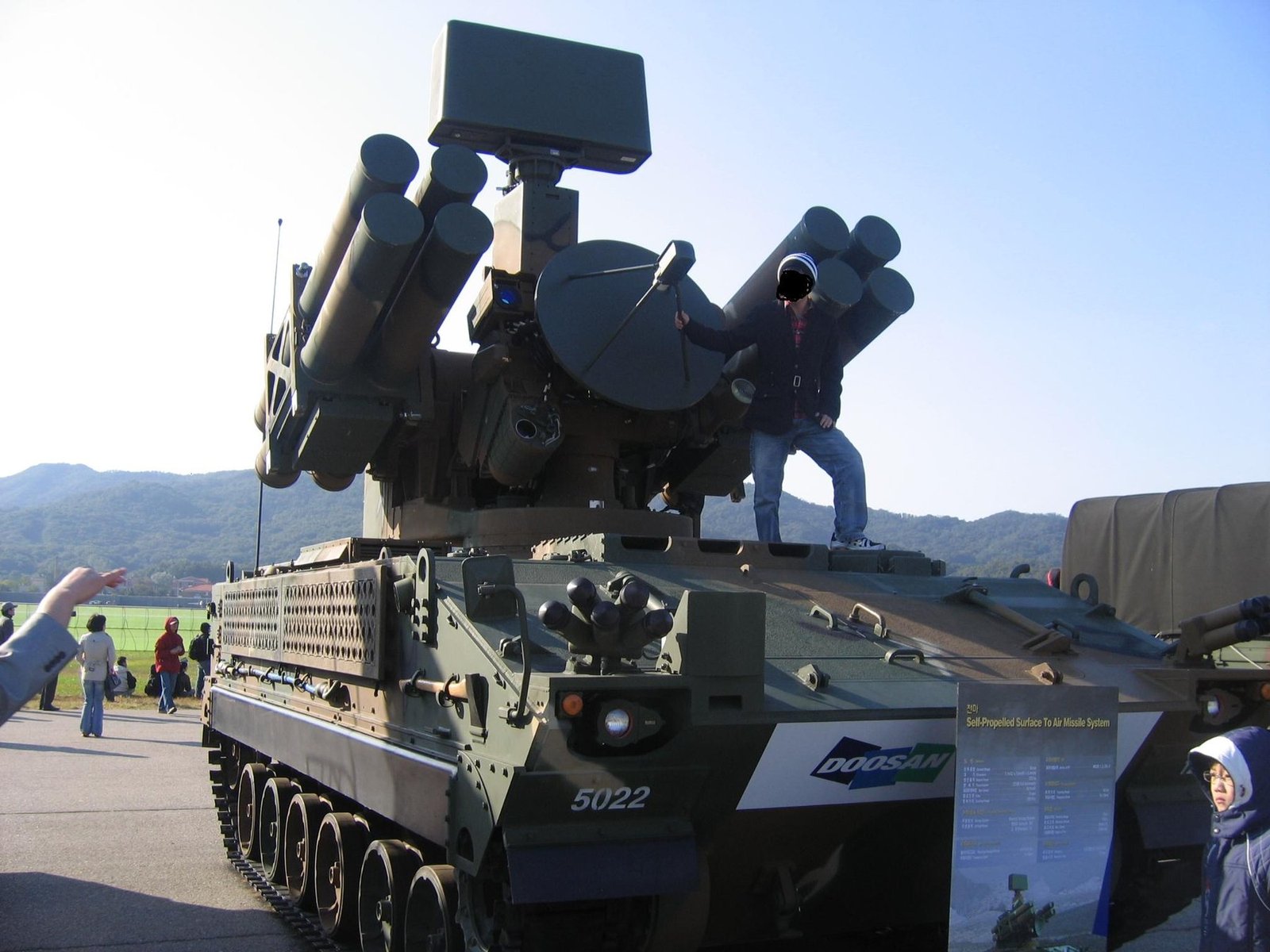
South Korea / Modern
Armored Air Defense · Self-propelled anti-aircraft gun / missile vehicle
The K-SAM Chunma is a South Korean tracked short-range missile system that integrates search/tracking sensors, fire control, and eight ready missiles on a single armored vehicle.
Read the profile →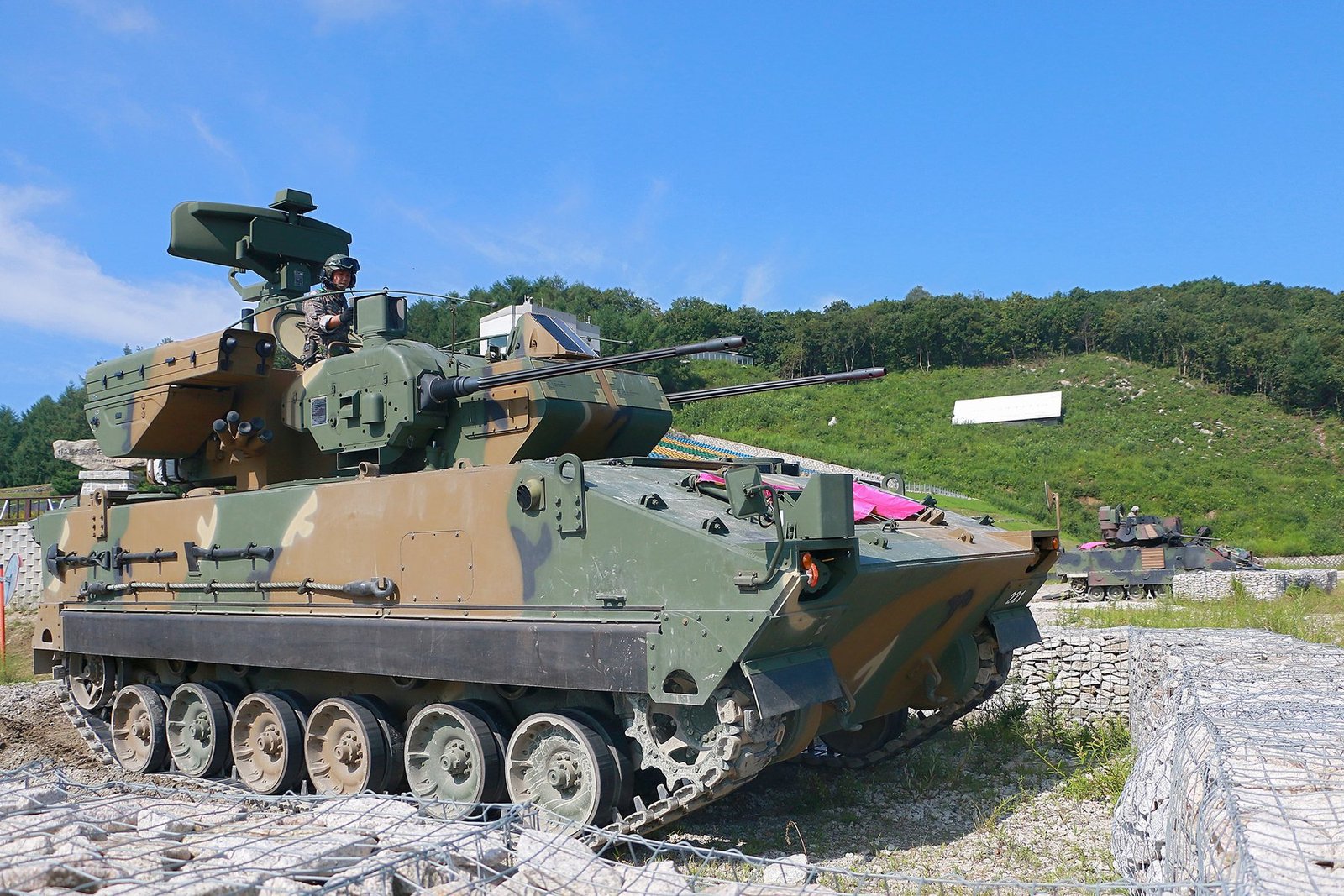
South Korea / Modern
Armored Air Defense · Self-propelled anti-aircraft gun / missile vehicle
South Korea’s K30 Biho uses twin 30 mm cannon, radar, electro-optical sensors, and later short-range missiles on a heavily modified K200-family chassis for mobile close air defense.
Read the profile →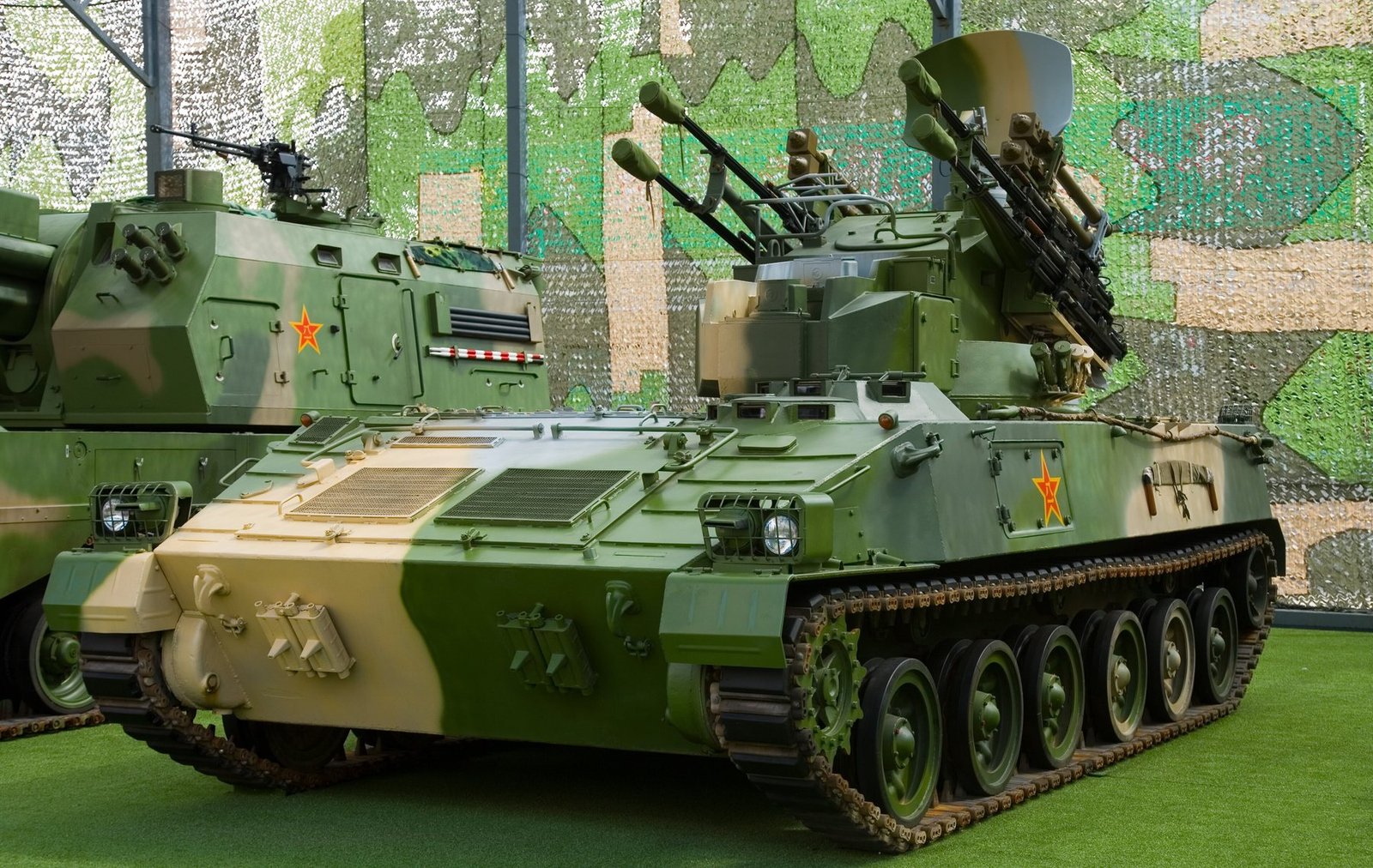
China / Modern
Armored Air Defense · Self-propelled anti-aircraft gun / missile vehicle
The PGZ-95 combines four 25 mm cannon with short-range missiles and electro-optical/radar support to provide Chinese ground forces a mobile close air-defense system.
Read the profile →
China / Modern
Armored Air Defense · Self-propelled anti-aircraft gun / missile vehicle
The PGZ-09 is a modern Chinese twin-35 mm radar-directed self-propelled anti-aircraft gun designed for low- to medium-altitude threats, including aircraft, helicopters, drones, and cruise missiles.
Read the profile →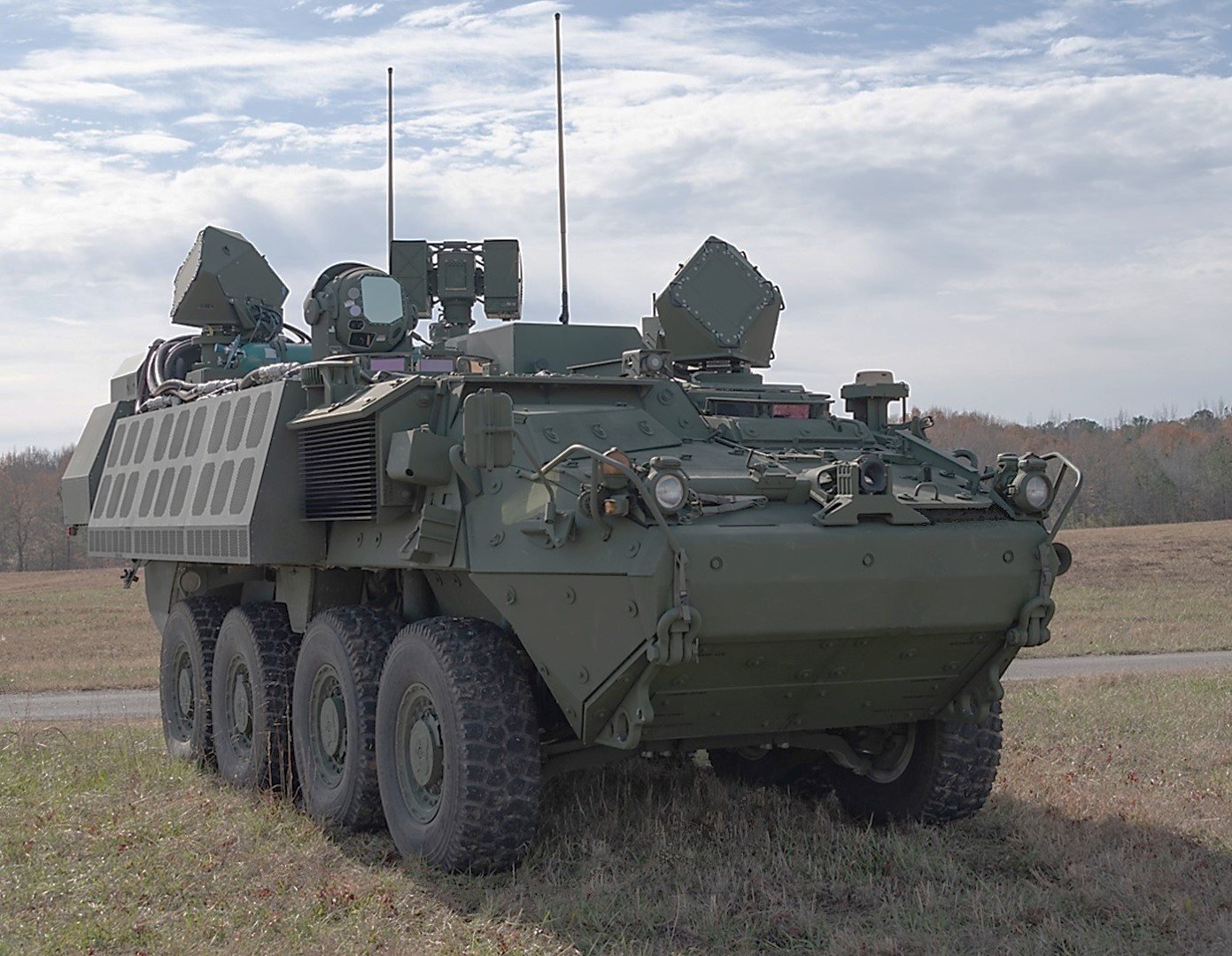
United States / Cold War / Modern
Armored Air Defense · Gun/missile air-defense vehicle
Stryker M-SHORAD restored an armored, maneuvering short-range air-defense vehicle to U.S. Army formations by combining radar, Stinger missiles, a 30 mm cannon, and other effectors on a Stryker A1.
Read the profile →